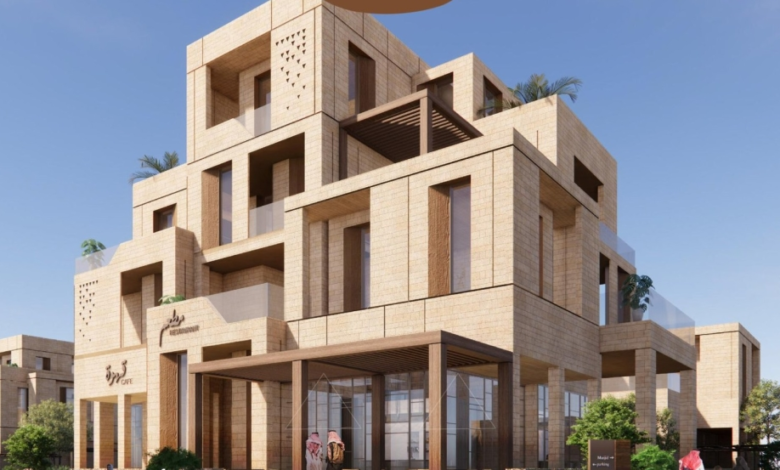
In a historic step reflecting a deep commitment to improving the urban landscape and enhancing quality of life, the Jazan Municipality announced the issuance of the first building permit in the region based entirely on the "Saudi Urban Identity" standards. This measure culminates sustained efforts aimed at consolidating the authentic architectural character that distinguishes the Kingdom's cities and governorates, in line with the objectives of Vision 2030.
Architectural diversity reflects the richness of Jazan
The municipality clarified that the issued permit was not merely an administrative procedure, but rather the practical application of extensive studies on the nature of the region. The Jazan region adopts a unique architectural identity that combines four main architectural styles, encompassing all its diverse topography
- Farasan Islands architecture: characterized by the use of coral stones and plaster decorations that suit the marine environment.
- Sarawat Mountains architecture: which relies on solid stones and designs capable of withstanding mountain climatic conditions.
- The architecture of the Tihama foothills: which blends the characteristics of the mountain and the plain.
- Tihama Coast Architecture: Taking into account high temperatures and humidity by employing local building materials and natural ventilation techniques.
National context for ending visual distortion
This event comes within a comprehensive national framework led by the Ministry of Municipal and Rural Affairs and Housing to eliminate the visual pollution that has plagued many cities over the past decades as a result of haphazard construction or the importation of designs unrelated to the Kingdom's environment. The Urban Identity Initiative is a key pillar in reshaping the visual landscape of Saudi cities, aiming to unify the overall character of residential neighborhoods and create a harmonious and visually pleasing urban fabric.
Economic and social dimensions
The impact of implementing the new urban code extends beyond aesthetics to encompass significant economic and social dimensions. Economically, relying on local building materials (such as local stone and timber) stimulates local industries and reduces maintenance and cooling costs, given the suitability of these materials to the local climate. From a tourism perspective, preserving the architectural identity enhances the appeal of the Jazan region as a heritage tourism destination, where visitors consistently seek authentic experiences that reflect the area's culture and history.
A sustainable future and a better quality of life
The Jazan Municipality affirmed that implementing these requirements is an integral part of the Quality of Life Program, one of the Vision 2030 programs. Buildings that respect their environment and heritage contribute to strengthening residents' sense of belonging and pride in their national identity. This first license marks the beginning of a new phase of sustainable construction that balances tradition and modernity, transforming Jazan's cities into exemplary models of urban development for the Kingdom.