Abbas to Trump: We are ready to work together to achieve a just and comprehensive peace

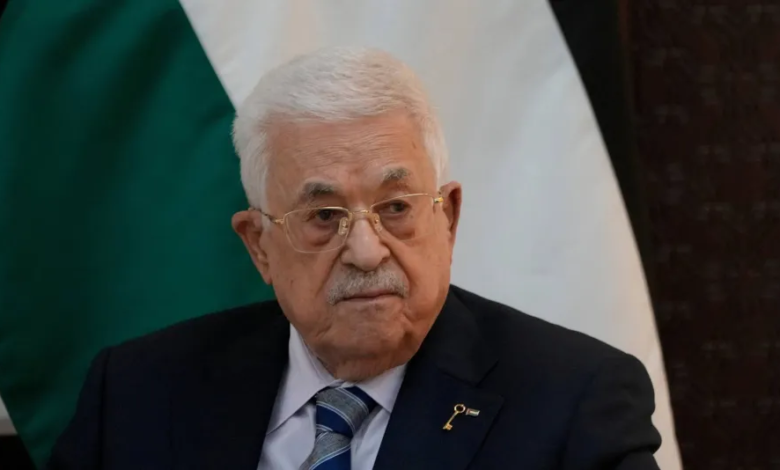
In a significant political development reflecting a desire to revive the political settlement process in the Middle East, Palestinian President Mahmoud Abbas affirmed his full readiness to work with US President-elect Donald Trump to achieve a just and comprehensive peace in the region. This stance underscores the Palestinian leadership's commitment to the strategic peace option based on international law.
Details of the Palestinian position and diplomatic contact
This announcement came during diplomatic contact in which President Abbas congratulated President Trump on his victory in the US elections, expressing his anticipation of joint work. The Palestinian president stressed that a just and comprehensive peace, based on international law, is the cornerstone for achieving security and stability not only for Palestinians and Israelis, but for the entire region. For his part, Trump affirmed his commitment to working to end the war and establish peace, expressing his readiness to cooperate with the relevant parties to achieve this goal.
The historical context of relations and the path to peace
These statements are particularly significant given the complex history of the Israeli-Palestinian peace process and the pivotal role of the United States in it. The US has long been the primary mediator in negotiations for decades. Despite periods of stagnation or strain in diplomatic relations, the Palestinian side recognizes that engagement with the US administration is essential for any serious political solution. This move comes at a time when the Palestinian leadership is striving to maintain the two-state solution as the sole framework for ending the conflict, amidst mounting challenges on the ground and in the political arena.
The importance of the event and its regional and international impact
This Palestinian willingness to cooperate with the Trump administration comes at a highly sensitive time, as the region witnesses unprecedented turmoil, particularly with the ongoing war in the Gaza Strip and escalating tensions in the West Bank. Observers believe that:
- On the local level: This position represents an attempt to open a political horizon that ends human suffering and stops military operations, while emphasizing Palestinian national principles.
- On the regional level: This trend is in line with Arab efforts, specifically Saudi, Egyptian and Jordanian, aimed at unifying the position towards the need to find a radical solution to the Palestinian issue that guarantees the stability of the region.
- On the international level: This declaration sends a message to the international community that the Palestinian side is a reliable partner in peacemaking, thus putting the ball in the court of international powers to push for serious and fruitful negotiations.
In conclusion, the real test of intentions in the next stage remains dependent on the practical steps that the new US administration will take, and the extent of its ability to put forward political initiatives that meet the aspirations of the Palestinian people for freedom and independence, and end the ongoing cycle of violence.