
ظاهرة سماوية ساحرة على حافة الفضاء
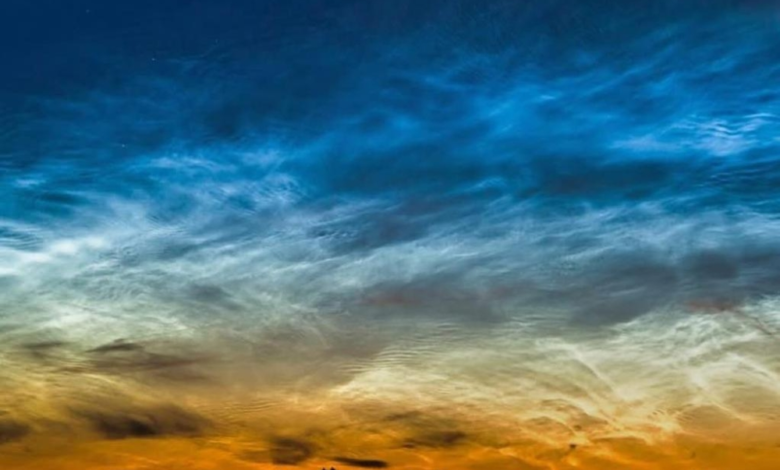
أوضح رئيس الجمعية الفلكية بجدة، المهندس ماجد أبوزاهرة، أن سماء المناطق القطبية تشهد سنوياً مع اقتراب فصل الصيف في النصف الشمالي من الكرة الأرضية، ظاهرة فلكية وجوية لافتة تُعرف علمياً باسم “غيوم الليل المضيئة” (Noctilucent Clouds). تتمثل هذه الظاهرة في ظهور غيوم زرقاء فضية متوهجة ومتموجة بعد غروب الشمس، وهي تعتبر من أكثر الظواهر الجوية جمالاً وغموضاً في الغلاف الجوي للأرض، حيث تتشكل على ارتفاعات شاهقة جداً تصل إلى حوالي 85 كيلومتراً، مما يجعلها أعلى السحب التي يمكن رصدها من كوكبنا.
السياق العام: كيف تتكون غيوم الليل المضيئة؟
على عكس السحب التقليدية التي تتكون في طبقة التروبوسفير السفلى، تتشكل هذه الغيوم في طبقة الميزوسفير، وهي إحدى أعلى طبقات الغلاف الجوي. ظل العلماء لفترة طويلة غير قادرين على تفسير آلية تشكلها بالكامل. إلا أن الدراسات الحديثة كشفت أن هذه الغيوم تتكون عندما تنخفض درجات الحرارة في هذه الطبقة إلى مستويات متدنية جداً تصل إلى 125 درجة مئوية تحت الصفر، مما يسمح لبخار الماء النادر بالتجمد. لكن عملية التجمد هذه تحتاج إلى نواة تتكثف حولها جزيئات الماء، وهنا يأتي دور الفضاء الخارجي. حيث تعمل جسيمات “دخان الشهب” متناهية الصغر، الناتجة عن احتراق النيازك عند دخولها الغلاف الجوي، كنواة مثالية لتجمع بلورات الجليد الدقيقة، والتي بدورها تشكل هذه السحب المتوهجة.
أهمية الظاهرة: مؤشر حساس للتغيرات المناخية
رُصدت هذه الغيوم لأول مرة بشكل واسع في عام 1885، بعد عامين من ثوران بركان كراكاتوا الهائل، مما دفع العلماء في البداية للاعتقاد بوجود صلة بينهما. لكن مع استمرار ظهورها، اتجهت الأبحاث نحو أسباب أخرى. في العقود الأخيرة، لاحظ العلماء أن غيوم الليل المضيئة أصبحت أكثر سطوعاً وتكراراً، كما بدأت بالظهور في خطوط عرض أدنى من المعتاد. هذا التغير أثار اهتماماً دولياً، حيث يُعتقد أنه مؤشر حساس على التغيرات المناخية العالمية. إحدى النظريات الرئيسية تربط هذا الانتشار بزيادة تركيز غاز الميثان في الغلاف الجوي؛ فعندما يصل الميثان إلى طبقة الميزوسفير، يتأكسد عبر سلسلة من التفاعلات الكيميائية منتجاً بخار الماء. هذه الزيادة في بخار الماء توفر “وقوداً” إضافياً لتكوين بلورات الجليد، مما يجعل الغيوم أكثر كثافة وانتشاراً. وبالتالي، فإن دراستها لا تقتصر على جمالها، بل تمتد لتكون أداة علمية لفهم تأثير النشاط البشري على أعلى طبقات الغلاف الجوي.
لماذا تبدو زرقاء؟
يعود اللون الأزرق الكهربائي المميز لهذه الغيوم إلى حجم بلورات الجليد المكونة لها، والتي يبلغ قطرها حوالي 100 نانومتر فقط. هذا الحجم الدقيق يجعلها فعالة جداً في بعثرة ضوء الشمس ذي الطول الموجي القصير (الأزرق والبنفسجي) وتمرير الأطوال الموجية الطويلة (الأحمر والأصفر). وعندما تكون الشمس تحت الأفق بعد الغروب، تضيء أشعتها هذه السحب العالية، فتظهر لنا بلونها الأزرق الفضي الساحر على خلفية السماء المعتمة.
فرص الرصد في المنطقة العربية
أكد أبوزاهرة أن مشاهدة هذه الظاهرة تقتصر غالباً على المناطق الواقعة في خطوط العرض العليا بين 50 و 65 درجة شمالاً وجنوباً، مما يجعل رؤيتها في سماء المملكة العربية السعودية ومعظم دول العالم العربي أمراً نادراً للغاية وشبه مستحيل. وأشار إلى أن أي سحب مضيئة قد تظهر ليلاً في المنطقة تكون في الغالب سحباً مرتفعة عادية تضيئها أضواء المدن أو القمر، وليست غيوم الليل المضيئة الحقيقية التي تبقى لغزاً سماوياً يربط كوكبنا بالفضاء الواسع.