
أعلنت أمانة محافظة جدة عن بدء تنفيذ خطتها التشغيلية الشاملة لأعمال النظافة لموسم حج عام 1445هـ، في خطوة استباقية تهدف إلى خدمة ضيوف الرحمن وضمان توفير بيئة صحية وآمنة لهم منذ لحظة وصولهم عبر بوابة الحرمين الشريفين. وتأتي هذه الخطة ضمن منظومة متكاملة من الخدمات التي تقدمها المملكة العربية السعودية لضمان راحة الحجاج وتيسير أداء مناسكهم.
السياق العام وأهمية جدة في موسم الحج
تُعد مدينة جدة البوابة الجوية والبحرية الرئيسية لاستقبال ملايين الحجاج القادمين من مختلف أنحاء العالم سنويًا. ونظرًا لهذا الدور المحوري، تكتسب الاستعدادات في جدة أهمية قصوى، حيث إنها تشكل الانطباع الأول لدى الحاج عن رحلته الإيمانية. وتعمل الجهات الحكومية، وعلى رأسها أمانة جدة، بشكل دؤوب على مدار العام لوضع خطط تشغيلية تضمن الارتقاء بجودة الخدمات البلدية، بما يتماشى مع أهداف رؤية المملكة 2030 التي تولي اهتمامًا خاصًا بتعزيز تجربة الحجاج والمعتمرين.
تفاصيل الخطة التشغيلية: ثلاث مراحل متكاملة
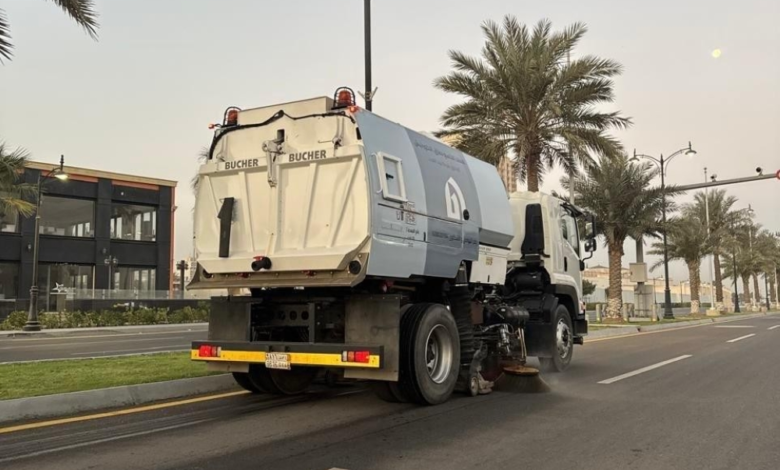
كشفت الأمانة أن الخطة، التي انطلقت في 20 ذي القعدة وتستمر حتى 26 ذي الحجة، تم تقسيمها إلى ثلاث مراحل زمنية لضمان تغطية كافة الجوانب التشغيلية بكفاءة عالية. وقد تم حشد طاقات بشرية ومادية ضخمة لتنفيذها، حيث يشارك في الخطة 5,770 فردًا من الكوادر البشرية، مدعومين بأسطول من المعدات والآليات يبلغ عدده 834 معدة وآلية متنوعة.
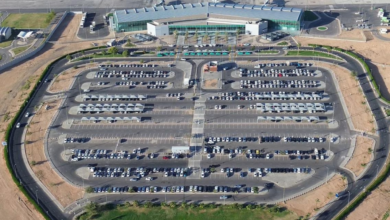
- المرحلة الأولى (قبل بدء المناسك): تمتد هذه المرحلة حتى السابع من ذي الحجة، ويتركز العمل فيها على تكثيف النظافة في المناطق الحيوية التي تشهد كثافة عالية من الحجاج، مثل محيط مطار الملك عبد العزيز الدولي، وميناء جدة الإسلامي، والطرق الرئيسية المؤدية إلى مكة المكرمة، بالإضافة إلى مواقف حجز حافلات الحجاج.
- المرحلة الثانية (أيام الذروة): تبدأ هذه المرحلة في الثامن من ذي الحجة وتستمر حتى الخامس عشر منه، وتتزامن مع يوم التروية وعيد الأضحى المبارك. ويتم التركيز خلالها على نظافة مصليات العيد، والتعامل الفوري مع مخلفات الأضاحي، والحفاظ على نظافة المناطق الترفيهية والواجهات البحرية التي يرتادها السكان والزوار خلال إجازة العيد.
- المرحلة الثالثة (ما بعد الموسم): تنطلق هذه المرحلة مباشرة بعد انتهاء أيام العيد، وتهدف إلى إعادة الوضع إلى حالته الطبيعية، مع التركيز على الأسواق التجارية والمطاعم والمناطق العامة، وتكثيف أعمال التقاط المبعثرات لضمان استعادة المظهر الحضاري للمدينة بالكامل.
فرق طوارئ لضمان الاستجابة الفورية
وأوضحت أمانة جدة أن الخطة تتضمن تشكيل فرق طوارئ ميدانية مجهزة بالكامل في كل نطاق بلدي. هذه الفرق ستكون على أهبة الاستعداد على مدار 24 ساعة للتعامل مع أي بلاغات طارئة ومعالجة أي ملاحظات بشكل فوري، مما يضمن أعلى مستويات الجاهزية التشغيلية واستمرارية الخدمة دون انقطاع.
الأثر المتوقع للخطة
لا يقتصر تأثير هذه الخطة على الجانب الخدمي المباشر، بل يمتد ليشمل جوانب أخرى هامة. فعلى الصعيد المحلي، تساهم الخطة في الحفاظ على الصحة العامة ومنع انتشار الأمراض، وتضمن راحة سكان جدة وزوارها. وعلى الصعيدين الوطني والدولي، تعكس هذه الجهود الضخمة التزام المملكة بتقديم أرقى الخدمات لضيوف الرحمن، وتعزز صورتها كدولة رائدة في إدارة الحشود وتنظيم أكبر التجمعات الدينية في العالم بكفاءة واقتدار.