
Jeddah markets see a noticeable recovery as Eid al-Fitr approaches
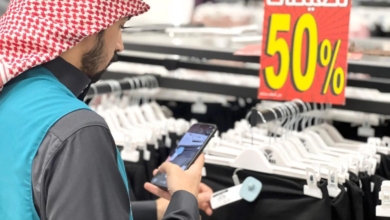
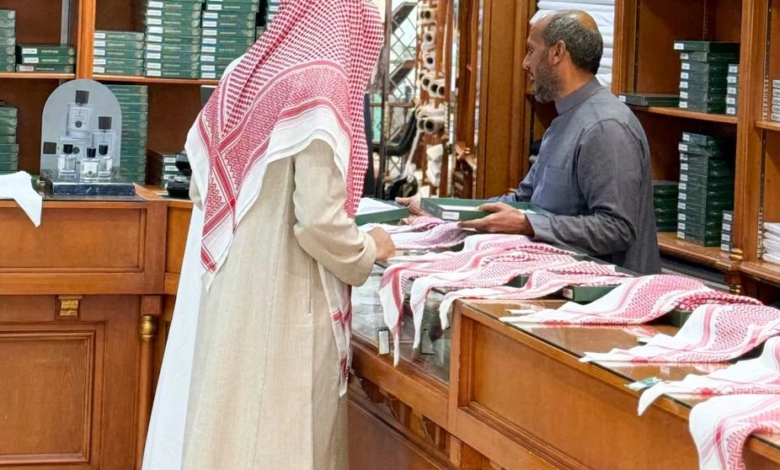
Jeddah's markets are witnessing a surge in sales and exceptional activity as Eid al-Fitr approaches. This boom comes amidst a large and widespread demand from shoppers to purchase items for what is locally known as "Eid attire," with the "shemagh" (headscarf) taking center stage in men's fashion in Saudi Arabia, reflecting the society's adherence to its cultural roots and authentic heritage.
The cultural and historical context of "Eid Elegance"
Preparing for Eid by purchasing new clothes is a deeply rooted social custom in Saudi and Islamic culture in general. Historically, the Saudi national dress, consisting of the thobe and shemagh or ghutra, has been a symbol of national identity and pride. "Eid attire" is not merely about outward appearance; it is an extension of a long history of paying attention to one's appearance on major occasions. Over time, the production of these garments has evolved to meet modern demands without losing the classic identity that distinguishes men in the Arabian Peninsula.
Peak sales: A surge in activity in the last 72 hours
According to field visits that monitored commercial activity in the country's markets and major shopping centers, men's clothing stores are experiencing unprecedented activity. Experts and retail sector employees confirmed that the 72 hours preceding Eid represent the "true peak" of sales. During this short period, consumers allocate approximately 40% of their total annual spending on shemaghs and ghutras. Economic forecasts indicate that local consumption may exceed 10 million shemaghs by the end of this year, reflecting the enormous size of the market.
Evolution of consumer choice standards in Saudi Arabia
In an analytical reading of the current market situation, textile specialists explained that the selection criteria of Saudi consumers have undergone a radical and noticeable shift. In the past, the "brand name" or trademark was the decisive factor in the purchasing decision. Today, however, the quality of the fabric, the precision of the details, and the technologies used in manufacturing have become the most prominent factors. This season has seen the introduction of shemaghs (traditional headscarves) with modern and innovative technologies, such as wrinkle-resistant fabrics and those made from chemically treated cotton to increase softness and durability. This development has intensified competition between local and imported products, ultimately contributing to improved quality and providing a diverse range of options to satisfy all tastes.
Young people are driving the growth of demand and e-commerce
On the other hand, the younger generation plays a pivotal role in shaping market trends. They have become the driving force behind the men's apparel sector, tending to choose lightweight shemaghs with modern designs that successfully blend traditional style with a contemporary touch. With increasing reliance on technology, demand is expected to grow by approximately 5%, fueled by the significant expansion of e-commerce platforms that have facilitated purchasing and comparison processes.
Regional economic impact and supply chain stability
On the economic front, the impact of this recovery extends beyond the local level, reaching regionally and internationally. The Saudi market is the largest and most influential in the Middle East in terms of value and diversity within the traditional clothing sector, making it a prime destination for major international manufacturers. In this context, local retailers confirmed that supply chains this year demonstrated remarkable resilience in meeting high demand, bolstered by consumer confidence in matching products, which has significantly increased sales.
Prices and government oversight
As for prices, the cost of shemaghs in local markets ranged from 80 riyals for the mid-range categories, which are in highest demand, to 1,500 riyals for some luxury brands and limited editions. This price variation comes amidst strict and continuous monitoring by the relevant government authorities to ensure the quality of goods offered in the markets and to protect consumers from any price manipulation or exploitation during this exceptional season.