Jeddah Municipality: 5,000 inspection tours during the first day of Ramadan for food safety

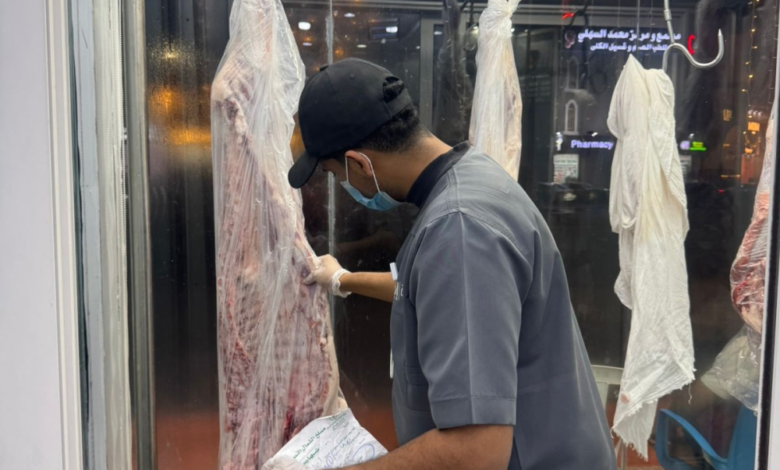
The Jeddah Municipality announced an unprecedented intensification of its field and monitoring efforts during the first ten days of Ramadan this year (1447 AH). Inspection teams conducted 4,946 visits to food and commercial establishments throughout the city. These measures are part of a comprehensive seasonal plan aimed at ensuring food safety and raising compliance with municipal and health regulations, coinciding with the increased activity in markets and vital locations during the holy month.
The context and importance of campaigns during Ramadan
This regulatory effort is particularly important given the unique nature of the holy month of Ramadan in Saudi Arabia, during which consumption patterns shift and demand for food and beverages increases significantly, especially in the evenings. Jeddah, as the gateway to the Two Holy Mosques and a major tourist destination, is a vital hub experiencing heightened commercial activity, requiring vigilant oversight to ensure that the season is not exploited to promote spoiled or unlabeled food. This reflects the municipality's commitment to public health and consumer protection.
Statistics and figures reflecting the scale of the work
The municipality's statistical report revealed detailed information about its operations, stating that it addressed 106 reports received during the same period and collected 107 random samples of food products for laboratory testing to ensure their suitability for human consumption. In addition to 4,608 routine inspections, the municipality conducted 125 joint campaigns with relevant authorities, enhancing the efficiency of field enforcement and the integration of roles among government sectors.
Targeted sectors and waterfronts
The field inspections focused on high-traffic areas, including the Corniche, main roads and thoroughfares, and major shopping centers. The inspections also targeted establishments that experience a significant increase in activity during Ramadan, such as fish restaurants, date shops, sweet shops, nut shops, Ramadan juice shops, as well as kitchens, butcher shops, poultry shops, and vegetable stores, to ensure their compliance with hygiene and proper storage standards.
Combating unregulated street vending and improving the urban landscape
As part of its efforts to improve the urban landscape and prevent visual pollution, the municipality has intensified its efforts to track down street vendors and remove makeshift stalls that typically spring up during peak seasons. Field teams are monitoring these violations and taking appropriate action, as unregulated street vending poses a health risk due to the lack of product oversight, in addition to obstructing traffic and pedestrian movement.
The most prominent violations observed and a call for reporting
The municipality noted several recurring violations, most notably operating without a license, employing workers without valid health certificates, and failing to display the required QR code. The Jeddah Municipality reiterated its call for residents and visitors to participate in community oversight by reporting any violations through the "Baladi" app or by calling the unified number 940, emphasizing its continued commitment to enforcing regulations to ensure a healthy and safe environment for all.