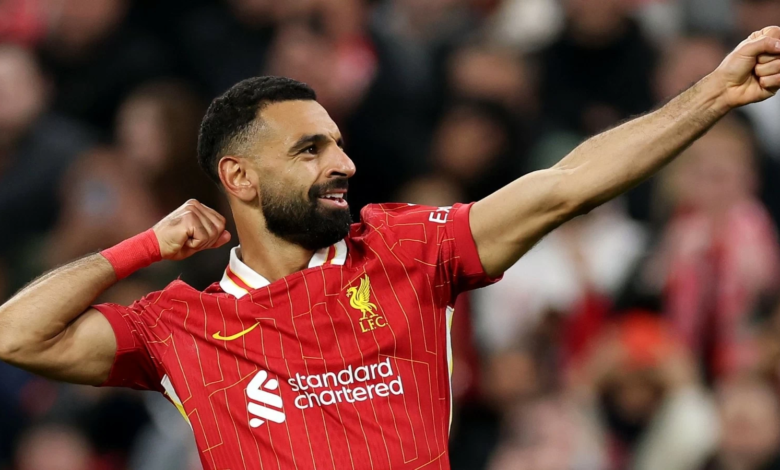
The end of the Salah and Klopp era at Liverpool: A legendary farewell is expected

The end of a golden era at Anfield
As the current season draws to a close, speculation is mounting about the future of Egyptian star Mohamed Salah at Liverpool, especially following the departure of legendary manager Jürgen Klopp. In this context, British press reports have revealed that the club's management is planning a historic farewell befitting Salah's illustrious career, to be held in the final match at Anfield this season, in recognition of his status as one of the club's all-time greats.
General context: Salah's legendary career with the Reds
Since joining Liverpool in the summer of 2017 from AS Roma, Mohamed Salah has transformed from a talented player into a global icon. In his debut season, he shattered records by scoring 32 Premier League goals, leading the team to the Champions League final. Salah, along with Sadio Mané and Roberto Firmino, formed a formidable attacking trio that propelled Liverpool back to the pinnacle of European and world football. The culmination of this era was winning the Champions League in 2019, followed by securing the Premier League title – the first in 30 years – in the 2019-20 season, in addition to winning the Club World Cup, the UEFA Super Cup, and both the FA Cup and the League Cup.
The importance of the event and its expected impact
Talk of Salah's potential departure comes at a pivotal time for the club. With the departure of Jürgen Klopp, the mentor of this generation of players, Liverpool enters a new and uncertain phase. Salah's departure, whose contract expires in the summer of 2025, would mark the end of an era and the beginning of a comprehensive rebuilding process. Domestically, the English Premier League would lose one of its most prominent stars and all-time leading scorers. Regionally and internationally, Salah's potential move, particularly to the Saudi League, which showed significant interest in acquiring him last summer with a lucrative offer from Al-Ittihad, would constitute a major sporting and economic event, further cementing the Saudi League's status as a destination for global football legends.
A volatile season and a well-deserved tribute
Despite Liverpool's disappointing season and their eventual fall from the title race in the final stretch, the legacy Salah will leave behind remains immense. Sources confirm that the club believes it's essential to honor the player who brought joy back to Anfield. The Times reports that arrangements are underway for a grand celebration during the team's final home game, even if Salah only plays a symbolic few minutes, to ensure he receives the farewell he deserves from the fans who have always chanted his name. The final decision rests with the player's future, but the end of the season is sure to be a deeply emotional one for Liverpool, as fans bid farewell to their legendary manager and, perhaps, their Egyptian icon.