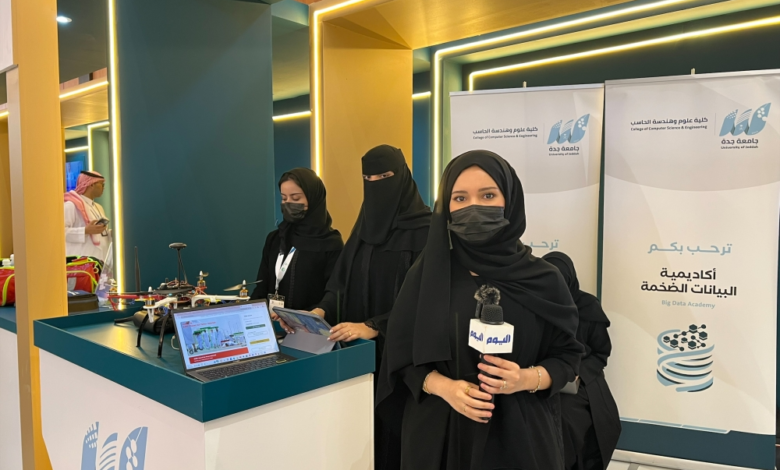

رصدت جولة لصحيفة “اليوم” في المعرض المصاحب لمنتدى الصحة والأمن في الحج، مشاركة استثنائية ولافتة لطالبات وباحثي “جامعة جدة”. حيث استعرض الجناح الخاص بالجامعة حزمة من المشاريع والابتكارات الطلابية الرائدة التي سخرت التقنيات الحديثة، مثل الذكاء الاصطناعي والدرونز، لخدمة ضيوف الرحمن في مجالات حيوية تشمل الصحة، الأمن، إدارة الحشود، والتواصل الذكي.
وتأتي هذه الابتكارات امتداداً للجهود التاريخية التي تبذلها المملكة العربية السعودية في خدمة الحجاج، حيث شهدت إدارة الحج تطوراً هائلاً عبر العقود. ومع انطلاق رؤية المملكة 2030، برز مفهوم “الحج الذكي” كركيزة أساسية لتطوير منظومة الخدمات. وقد أثبتت التقنية قدرتها على تذليل التحديات الجغرافية والديموغرافية الناتجة عن تجمع ملايين المسلمين في مساحة محدودة ووقت زمني واحد، مما يجعل هذه المشاريع الطلابية خطوة هامة نحو تحقيق مستهدفات التحول الرقمي.
وشهد جناح جامعة جدة عرض مشاريع تقنية متقدمة تعتمد على تحليل البيانات الضخمة والطائرات بدون طيار، بهدف دعم إدارة الحشود والكشف المبكر عن الحالات الطارئة. كما تضمن الجناح حلولاً تقنية لتحسين التواصل متعدد اللغات بين الحجاج والفرق التطوعية. وإلى جانب ذلك، تم استعراض أنظمة ذكية للمراقبة اللحظية، وعروض تقنية من أكاديمية الدرونز والبيانات، بالإضافة إلى روبوتات ميدانية تدعم الأعمال التشغيلية والخدمية في المشاعر المقدسة لتعزيز مستويات السلامة.
إرشادات صحية متكاملة للحجاج
وفي الجانب الصحي، أوضحت استشارية طب الأسرة بإدارة الخدمات الطبية بجامعة جدة، الدكتورة إيمان بالبيد، أن الإدارة تقدم خدمات صحية وتوعوية متكاملة.
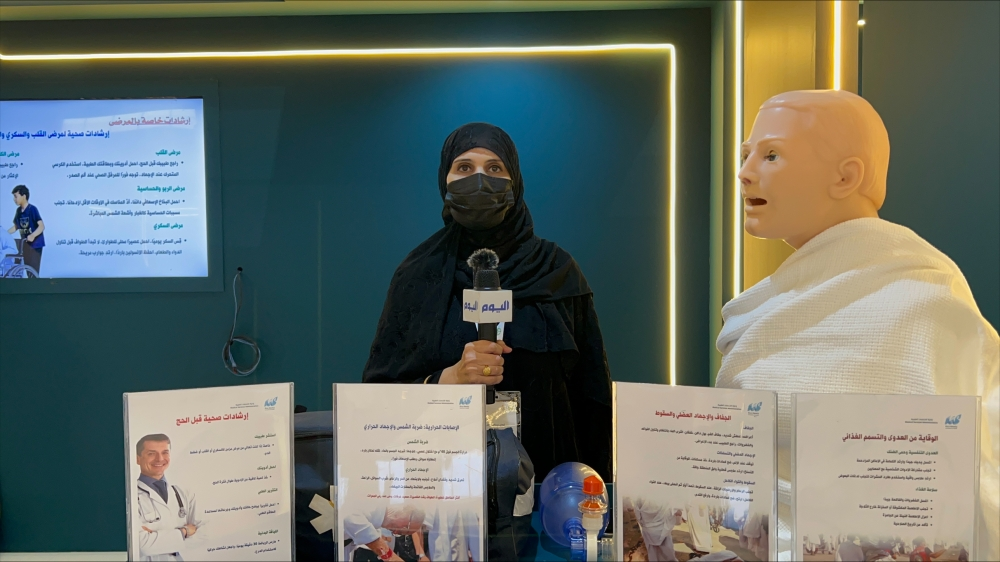
د.ايمان بالبيد
تبدأ هذه الخدمات بالتطعيمات الموسمية والإلزامية قبل أداء المناسك، وتستمر عبر عيادات تفاعلية توعوية. وبينت أن العيادات ترشد الحجاج حول كيفية استخدام أدوية الأمراض المزمنة كالضغط والسكري، وطرق الوقاية من الإجهاد الحراري وضربات الشمس. وأكدت على أهمية التوازن بين صحة الحاج وأدائه للعبادات، مطلقة شعار “الحاج الذكي هو الذي يوازن بين صحته وعبادته”.
مشروع “بصيرة”: طائرات درونز للاستجابة السريعة
وفي سياق المشاريع التقنية، استعرضت الطالبة جود البشري من قسم هندسة الحاسب والشبكات مشروع “بصيرة”. وهو نظام ذكي يعتمد على الدرونز وتقنيات الذكاء الاصطناعي لاكتشاف الحالات الطارئة لحظياً. تنطلق فكرة المشروع من الحاجة لتعزيز سرعة الاستجابة في البيئات المزدحمة، حيث يراقب النظام المواقع من الأعلى ويحلل المشاهد باستخدام الرؤية الحاسوبية، ثم يرسل تنبيهات فورية مدعومة بالموقع الجغرافي والبث المباشر للجهات المختصة. يضم فريق العمل الطالبات: جود البشري، أروى باظروص، تالة المشيقح، لينا نور الدين، سجى السواط، ورغد الشهري، بإشراف الدكتورة رشا عطوة.
مشروع “بصير”: التنبؤ الاستباقي لمنع التدافع
من جهة أخرى، قدمت الطالبة ريناد المجايشي وفريقها مشروع “بصير”، وهو نظام ذكي للوقاية من تدافع الحشود.
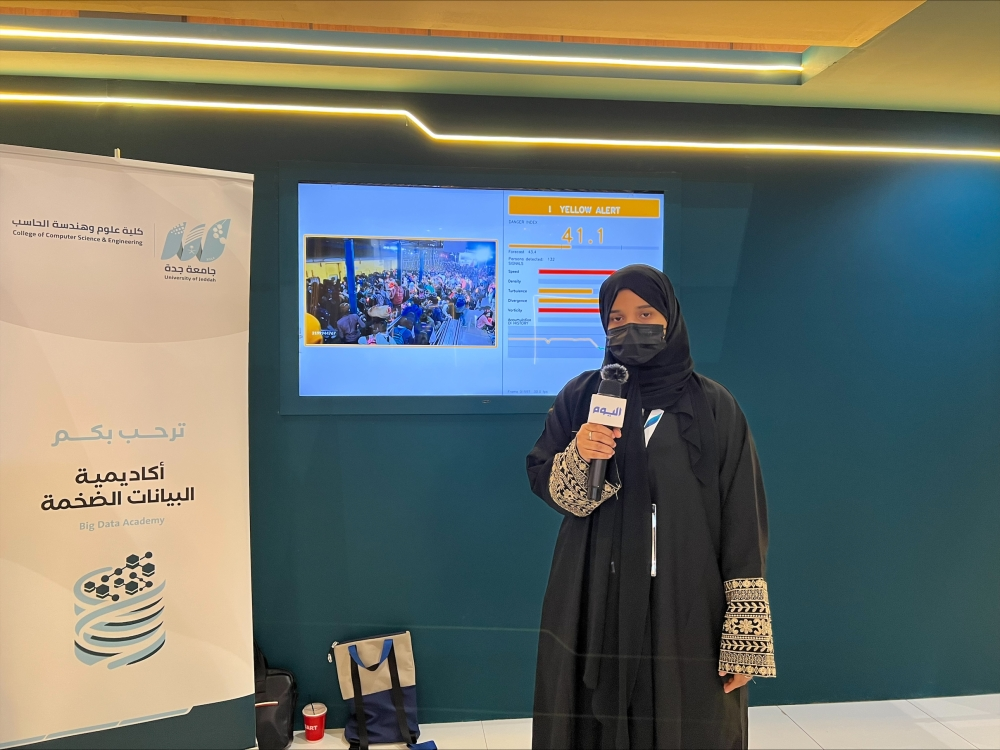
ريناد المجايشي
يعتمد النظام على مراقبة التجمعات البشرية عبر كاميرات المراقبة التقليدية وتحليل المؤشرات الخطرة قبل تفاقمها. وأشارت “المجايشي” إلى أن النظام يتنبأ بالمخاطر المحتملة قبل وقوعها، مما يمنح فرق الأمن وقتاً كافياً للتدخل المبكر، تحت شعار “تحذير مبكر، وتدخل أسرع، وأرواح محمية”. يشارك في المشروع: رغد الثقفي، ميار حنيف، أبرار حبيب الله، وجنى الحربي، بإشراف سحر فوزي.
تأثير محلي ودولي رائد
وتجسد مشاركة جامعة جدة توجهاً استراتيجياً نحو تسخير الابتكار لخدمة منظومة الحج والعمرة. ولا يقتصر تأثير هذه الابتكارات على النطاق المحلي في حماية أرواح ضيوف الرحمن ورفع كفاءة الاستجابة فحسب، بل يمتد إقليمياً ودولياً. فهذه النماذج التقنية في إدارة الحشود الضخمة تقدم للعالم أجمع مرجعاً علمياً وعملياً يمكن الاستفادة منه في تنظيم الفعاليات العالمية الكبرى، مما يرسخ مكانة المملكة كدولة رائدة في توظيف الذكاء الاصطناعي لخدمة الإنسانية وتحقيق أعلى معايير الأمن والسلامة.