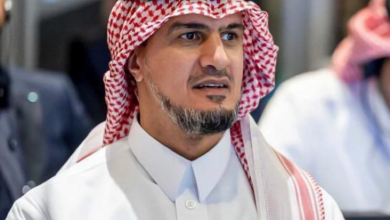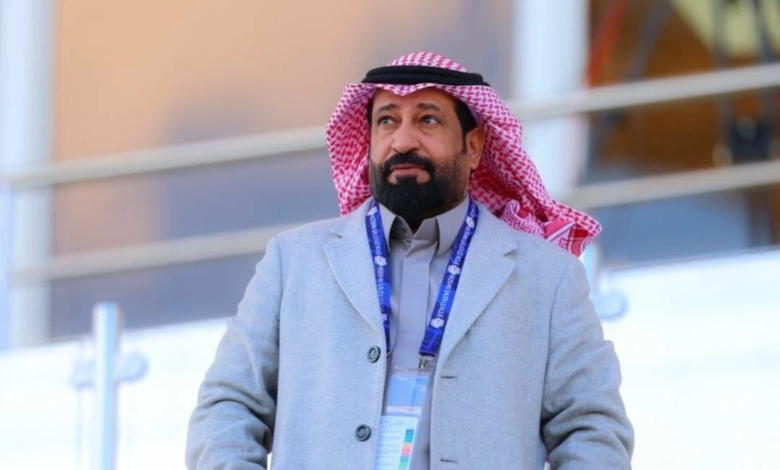
Mounes Al-Dawi reveals the truth behind his controversial tweet after the Riyadh derby

Widespread controversy accompanies the Riyadh derby
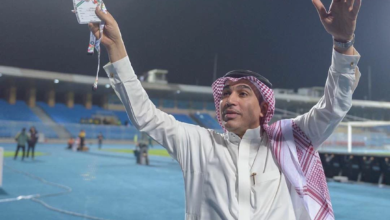
The Saudi sports scene witnessed widespread interaction and debate on social media platforms following the highly anticipated football match between Riyadh's two giants, Al-Nassr and Al-Hilal, in the Saudi Professional League. The match ended in a thrilling 1-1 draw, with Al-Hilal snatching a last-minute equalizer. Amidst this charged atmosphere, a tweet by Al-Orouba club president, Mounis Al-Dawi, came to the forefront of the sports scene and opened the door to much speculation.
Mounis Al-Dawi's tweet and the fans' interpretations
Just minutes after the final whistle, Mounes Al-Dawi posted the following verse from the Holy Quran on his personal Twitter account: "And never think that Allah is unaware of what the wrongdoers do." This sensitive timing led many sports fans to directly link the tweet to the events of the Riyadh derby, interpreting it as containing veiled allusions to the match result or the referee's decisions, especially since it came after the dramatic equalizer.
Official statement from the president of Al-Oruba Club
Faced with a barrage of interpretations and accusations, Mounes Al-Dawi issued a formal and decisive clarification, emphasizing that his tweet was not directed at any specific person or sports entity. Al-Dawi stressed that he did not mention any party directly, adding bluntly, "Whoever thought the tweet was aimed at them has placed themselves under suspicion." He explained that the Holy Quran is replete with verses addressing various topics such as injustice, good deeds, and the afterlife, and that his choice of this particular verse was a general reminder that every oppressor will receive their due punishment in this life or the next. He categorically denied that the timing of the tweet was related to the outcome of the Al-Nassr vs. Al-Hilal match, indicating that some fans had misunderstood his true intention.
Historical background: The roots of tension between Arabism and Nasr
To understand why fans quickly linked Al-Dawi's tweet to Al-Nassr, we must look back at recent history. Last season, Al-Orouba suffered a bitter relegation to the Yellow League (First Division). This relegation was a direct result of a decisive ruling by the Saudi Sports Arbitration Center, which upheld an official protest filed by Al-Nassr against Al-Orouba. The details of the crisis date back to the 23rd round of the Professional League, where Al-Orouba won the match 2-1. However, Al-Nassr protested the eligibility of Al-Orouba's goalkeeper, Rafe' Al-Ruwaili, claiming he did not meet the full-time availability requirements due to his government job. Consequently, Al-Orouba was stripped of the points, and Al-Nassr was awarded a 3-0 victory – a decision that had a profound impact on Al-Orouba's season and ultimately led to their relegation.
The importance of the event and its impact on the sports scene
This incident gains significance from the immense local and regional prestige of the Riyadh derby, considered one of the fiercest derbies in Asia and the Middle East, attracting massive media and fan attention. Given the rapid development of the Saudi Professional League, social media platforms play a pivotal role in shaping public opinion in the sports world. Therefore, any statement or tweet from a prominent sports figure, such as a club president, is scrutinized and analyzed from every angle. This incident reflects the sensitivity of digital interactions within the Saudi sports community and how past competitive history and administrative decisions can influence current events, making transparency and swift clarification crucial to preventing the spread of rumors.