
مقدمة: كأس العالم 2026 وبداية حقبة جديدة
تستعد الجماهير الرياضية لنسخة استثنائية من المونديال، حيث لن يقتصر التغيير في كأس العالم 2026 على زيادة عدد المنتخبات المشاركة إلى 48 منتخباً وإقامته في ثلاث دول (الولايات المتحدة، كندا، والمكسيك)، بل سيمتد ليشمل ثورة حقيقية في قوانين اللعبة. يسعى المجلس الدولي لكرة القدم (IFAB) والاتحاد الدولي لكرة القدم (فيفا) إلى تطبيق سلسلة من التعديلات الصارمة التي تهدف إلى القضاء على إضاعة الوقت وزيادة المتعة البصرية، مما يجعل هذه النسخة مختلفة تماماً عن كل ما سبق.
السياق التاريخي لتطور قوانين كرة القدم
لم تكن كرة القدم يوماً لعبة جامدة؛ فقد شهدت عبر تاريخها تغييرات جوهرية لضمان العدالة وتسريع وتيرة اللعب. بدأ هذا التحول الملحوظ مع إدخال تقنية حكم الفيديو المساعد (VAR) في مونديال روسيا 2018، تلاه اعتماد قاعدة التبديلات الخمسة خلال جائحة كورونا والتي أصبحت دائمة، وصولاً إلى تقنية التسلل شبه الآلي في مونديال قطر 2022. واليوم، تأتي القوانين الجديدة لتكمل هذا المسار التاريخي نحو لعبة أكثر ديناميكية وشفافية.
أبرز التعديلات والقوانين الجديدة المنتظرة
بناءً على التوجهات الحديثة والتجارب التي تجريها لجان كرة القدم، تبرز مجموعة من القوانين التي ستغير شكل المباريات، وتشمل:
- توسيع صلاحيات تقنية VAR: لن يقتصر تدخل تقنية الفيديو على الحالات التقليدية، بل سيمتد لمراجعة البطاقات الصفراء الثانية (الإنذار الثاني) التي تؤدي إلى الطرد، بالإضافة إلى مراجعة الركلات الركنية الخاطئة لضمان أقصى درجات العدالة.
- قانون التبديلات السريعة: لمحاربة إضاعة الوقت المتعمد، يُمنح اللاعب المستبدل 10 ثوانٍ فقط لمغادرة أرضية الملعب. وفي حال تجاوزه هذا الوقت، يُعاقب فريقه بانتظار اللاعب البديل لمدة دقيقة كاملة قبل الدخول.
- تسريع الرَميات والركلات: سيتم تطبيق مهلة صارمة مدتها 5 ثوانٍ فقط لتنفيذ الركلات الحرة ورميات التماس. وإذا لم يلتزم اللاعب بهذه المهلة، يخسر فريقه الاستحواذ لصالح المنافس.
- تنظيم العلاج الطبي: أي لاعب يسقط لتلقي العلاج داخل المستطيل الأخضر يجب عليه الخروج والانتظار لمدة دقيقة كاملة قبل السماح له بالعودة. يُستثنى من ذلك الإصابات الناتجة عن أخطاء تستوجب إشهار بطاقة ملونة للمنافس.
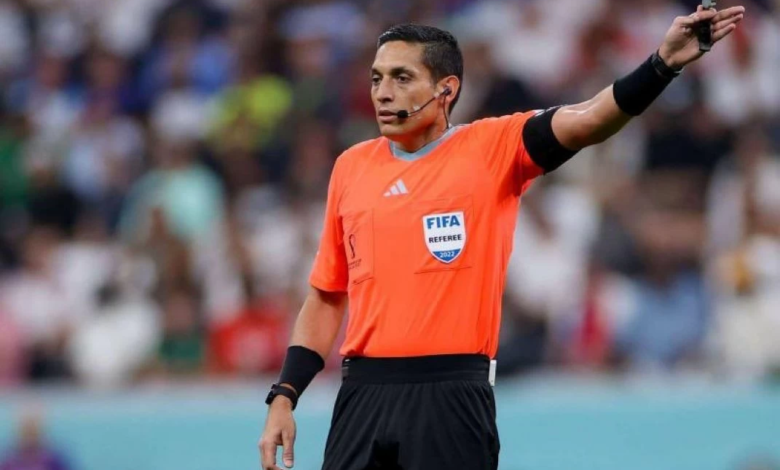
- حصر التواصل مع الحكم: على غرار ما تم تطبيقه بنجاح كبير في بطولة أمم أوروبا (يورو 2024)، يُسمح فقط لقائد الفريق بالتحدث مع حكم الساحة لمناقشة القرارات. وأي لاعب آخر يحاول الاعتراض أو التحدث مع الحكم سيتلقى بطاقة صفراء فورية.
التأثير المتوقع لهذه القوانين (محلياً ودولياً)
من المتوقع أن تُحدث هذه التعديلات تأثيراً زلزالياً على المستويين المحلي والدولي. على الصعيد التكتيكي، ستُجبر الأجهزة الفنية على تغيير استراتيجياتها، حيث سيزداد وقت اللعب الفعلي بشكل ملحوظ، مما يتطلب معدلات لياقة بدنية أعلى بكثير من اللاعبين. كما أن قانون حصر التحدث مع الحكم سيقضي على ظاهرة التجمهر حول الحكام، مما يعكس صورة أكثر احترافية وانضباطاً للعبة. إقليمياً ودولياً، ستساهم هذه القوانين في تقليل الجدل التحكيمي الذي طالما أثر على نتائج بطولات كبرى، مما يعزز من نزاهة المنافسة.
خاتمة
إن كأس العالم 2026 لن يكون مجرد بطولة كروية عادية، بل سيكون بمثابة نقطة تحول تفصل بين حقبتين في تاريخ كرة القدم. هذه القوانين الصارمة، من تسريع اللعب إلى حماية الحكام، تؤكد أن اللعبة الشعبية الأولى في العالم مستمرة في التطور لتلبية تطلعات الجماهير وتقديم منتج رياضي يتسم بالسرعة، العدالة، والإثارة المستمرة.