
مع حلول شهر يونيو، ندخل رسميًا في بوابة الصيف، حاملاً معه مجموعة فريدة من الظواهر الفلكية والتقاليد الزراعية التي طالما ارتبطت به في منطقتنا. وكشف الباحث في الطقس والمناخ، عبدالعزيز الحصيني، عن أبرز خصائص يونيو المناخية، التي لا تقتصر فقط على ارتفاع درجات الحرارة، بل تشمل أحداثًا هامة مثل الانقلاب الصيفي، وأطول نهار في السنة، وبداية موسم “طباخ اللون” الذي ينتظره المزارعون بفارغ الصبر.
الانقلاب الصيفي: إعلان فلكي ببدء الصيف
يعد شهر يونيو شهر التحولات بامتياز، ففيه نشهد البداية الفعلية والفلكية لفصل الصيف. فبينما تبدأ ملامح الصيف بالظهور مناخيًا مع بداية الشهر، فإن البداية الفلكية الرسمية تحدث في يومي 21 أو 22 يونيو، وهي الظاهرة المعروفة بـ “الانقلاب الصيفي”. في هذا اليوم، تتعامد أشعة الشمس على مدار السرطان، مما يمثل وصول الشمس إلى أقصى نقطة لها شمالاً في السماء خلال العام. هذا الحدث الفلكي لا يمثل مجرد تاريخ في التقويم، بل هو السبب المباشر الذي يجعل نهار هذا اليوم هو الأطول على مدار السنة في النصف الشمالي من الكرة الأرضية، بينما يكون ليله هو الأقصر. وبعد هذا التاريخ، تبدأ الشمس رحلتها الظاهرية بالعودة جنوبًا، ليبدأ طول النهار بالتناقص تدريجيًا.
خصائص يونيو المناخية وتأثيرها على موسم التمور
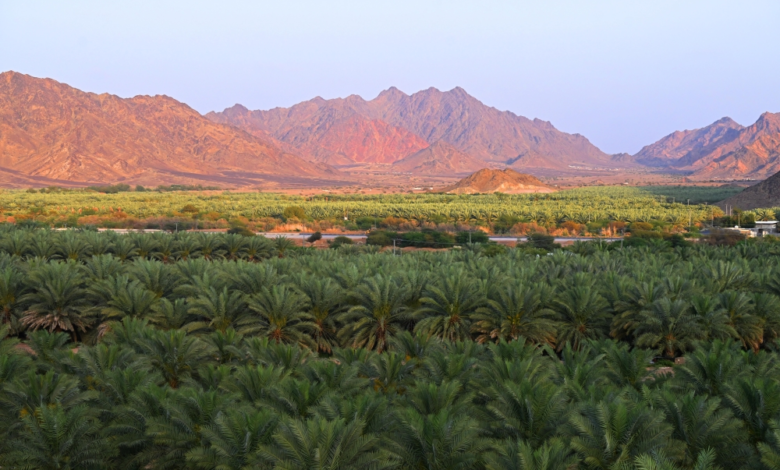
في الثقافة الزراعية المحلية، يحمل الثلث الأخير من شهر يونيو اسمًا ذا دلالة عميقة وهو “طباخ اللون”. هذه التسمية الشعبية لم تأتِ من فراغ، بل هي وصف دقيق لما يحدث لثمار النخيل خلال هذه الفترة. حيث يؤدي اشتداد الحرارة وتركيز أشعة الشمس إلى تسريع عملية نضج التمور (البَلح)، فتبدأ بالتلون وتتحول من لونها الأخضر إلى الأصفر أو الأحمر حسب نوعها، في إشارة إلى اقتراب موسم الرطب. يعتبر هذا التدرج الحراري المتوازن الذي يشهده يونيو مثاليًا للقطاع الزراعي، فهو يمنح المزارعين فترة كافية لتسويق محاصيلهم ويضمن نضجًا متوازنًا للثمار، مما ينعكس إيجابًا على جودة الإنتاج ووفرته.
تدرج درجات الحرارة وتوقعات الطقس
مناخيًا، يتميز شهر يونيو بتدرج واضح في درجات الحرارة، حيث تبدأ معتدلة نسبيًا في أيامه الأولى ثم تأخذ في الارتفاع بشكل ملحوظ لتصل إلى ذروتها في أواخره. ويوضح الحصيني أن هذا الارتفاع التدريجي هو السمة الغالبة، حيث تتراوح الأجواء بين الحارة والشديدة الحرارة. أما من حيث هطول الأمطار، فتكون معدلاتها محدودة جدًا في معظم المناطق، وهو أمر طبيعي مع استقرار الأجواء الصيفية. هذا الاستقرار المناخي، رغم حرارته، يعد عاملاً أساسيًا في نجاح العديد من المواسم الزراعية الصيفية، ويمهد الطريق لأشهر الصيف الأكثر حرارة، يوليو وأغسطس.