The completion of the Quran recitation in the Grand Mosque on the 29th night of Ramadan: a spiritual atmosphere

Spiritual atmosphere on the night of the Quran's completion at the Grand Mosque
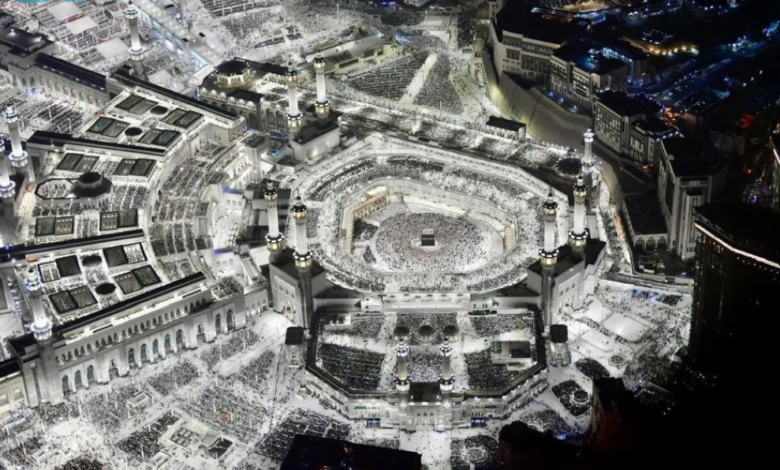
The Grand Mosque in Mecca witnessed a massive influx of millions of pilgrims and worshippers on the night of the 29th of Ramadan, who flocked to perform the Isha and Taraweeh prayers and attend the supplication for the completion of the recitation of the Holy Quran. From the early hours of that morning, huge numbers of pilgrims streamed into the courtyards, the Mataf (circumambulation area), and the roads leading to it, where they performed their rituals and acts of worship with ease and tranquility. This success is thanks to God and then to the integrated services and massive development projects implemented by the Kingdom of Saudi Arabia under the supervision and guidance of its wise leadership, to provide a safe and serene environment for worshippers.
The religious and historical significance of the 29th night of Ramadan
The 29th night of Ramadan is one of the most important and spiritually significant nights in the Islamic calendar. Historically, the Two Holy Mosques in Mecca and Medina have a tradition of completing the recitation of the entire Quran during the Taraweeh prayers on this night. This night receives immense attention, not only locally but also regionally and internationally, as millions of Muslims around the world turn their eyes and hearts to television screens to follow the live broadcast and say "Amen" to the supplication of the Imam of the Grand Mosque in Mecca. This annual event embodies the unity and solidarity of the Muslim Ummah in a majestic display of faith, reflecting profound devotion, supplication, and tranquility.
Exceptional efforts to serve the guests of God
To ensure the comfort of these millions of worshippers, the General Authority for the Care of the Two Holy Mosques mobilized all its resources and capabilities within a comprehensive operational framework. In coordination with security and other relevant authorities, pilgrims were received, their movement organized, and they were directed to the circumambulation area (Mataf) and designated prayer areas. The needs of the elderly and people with disabilities were taken into consideration through accessible pathways that facilitated their movement. The Authority also provided clear and categorized directional signs to ensure easy access to services and facilities for all worshippers.
An integrated system of technical and advisory services
The General Presidency for the Affairs of the Two Holy Mosques intensified its cleaning, sanitizing, and perfuming efforts using the latest equipment and machinery. Restrooms were fully operational, and the Grand Mosque was furnished with numerous luxurious carpets. Multiple points were made available around the clock for distributing chilled and unchilled Zamzam water. Relevant departments worked to streamline the entry and exit process through the gates, increased the number of response teams, ensured the availability of copies of the Quran, and verified the efficiency of the sound, air conditioning, and ventilation systems. Electric and manual wheelchairs were operated via the "Tanaqul" app, and the work of wheelchair operators was organized according to precise operational plans to prevent overcrowding.
Regional and international influence and crowd management
The remarkable success in managing these millions of pilgrims without a single incident reflects the Kingdom of Saudi Arabia's exceptional capabilities in managing large gatherings, further solidifying its leading position in the Islamic world. The General Presidency for the Affairs of the Two Holy Mosques (GPA) reinforced its presence at the entrances and utilized multilingual electronic screens for navigational guidance. As part of the "Ask Me" initiative, on-site guidance services were provided in several languages to assist pilgrims. This meticulous organization embodies the goals of the Kingdom's Vision 2030 to provide the highest quality services to the guests of God, leaving a profound and positive impact on Muslims both locally and globally.