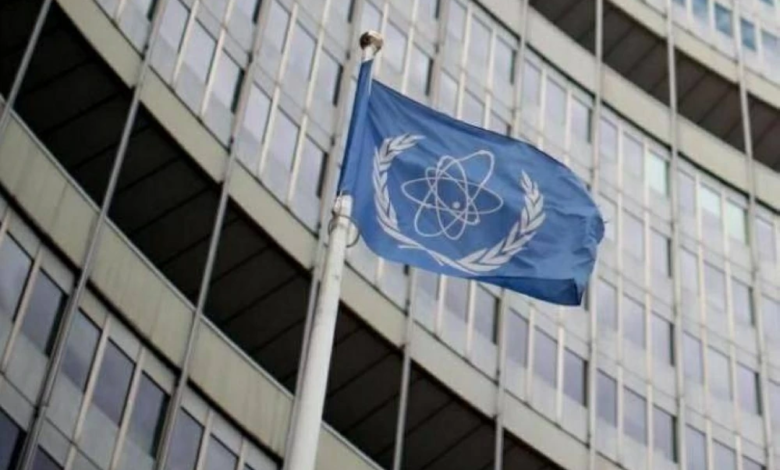

The International Energy Agency report highlights the risks
The International Energy Agency (IEA) revealed in its latest quarterly report the alarming repercussions of the ongoing conflict in the Middle East on global energy markets. The agency warned that the current disruptions could lead to a massive loss in liquefied natural gas (LNG) supplies, reaching up to 120 billion cubic meters annually, equivalent to approximately 15% of total projected global supply. The report explained that each month that gas shipments continue to be disrupted through vital shipping lanes in the region, such as the Strait of Hormuz, results in a monthly loss of approximately 10 billion cubic meters of LNG supply.
The geopolitical context and the importance of shipping lanes
These warnings come against a complex geopolitical backdrop, where tensions in the region, particularly attacks targeting commercial vessels in the Red Sea and the Bab el-Mandeb Strait, have led to the rerouting of numerous liquefied natural gas (LNG) tankers. These shipping lanes are vital arteries for global trade, carrying a significant portion of energy supplies from major Gulf producers, such as Qatar and the UAE, to key markets in Europe and Asia. Major shipping companies have been forced to bypass the Suez Canal and opt for the longer and more expensive route around the Cape of Good Hope in Africa, resulting in delays and increased pressure on global supply chains that have yet to fully recover from the impacts of the COVID-19 pandemic and the war in Ukraine.
Expected impact on global and regional markets
Internationally, this potential shortage threatens the stability of energy markets, particularly in Europe, which has significantly increased its reliance on liquefied natural gas (LNG) as an alternative to Russian gas. While high storage levels in Europe helped absorb the initial shock, continued disruptions raise concerns about sharp price volatility in the medium term. Regionally, production has been directly affected, with LNG output in Qatar and the UAE falling by approximately 10 billion cubic meters in a single month due to these logistical challenges. The agency anticipates that total losses from both countries will reach around 20 billion cubic meters during March and April.
Future outlook and long-term challenges
The International Energy Agency (IEA) noted that potential damage to gas facilities in the region, or any delays to mega-expansion projects such as the North East Field expansion in Qatar, could have long-term consequences. The agency estimated that delays to the expansion project could reduce LNG supplies by approximately 20 billion cubic meters between 2026 and 2030. While new liquefaction facilities around the world are expected to eventually offset some of these losses, the immediate impact will delay the anticipated influx of new gas supplies, keeping markets uncertain for the next two years. Consequently, the IEA indicated that it may have to revise its global gas demand forecasts downward if these challenges persist.