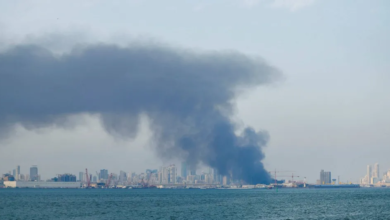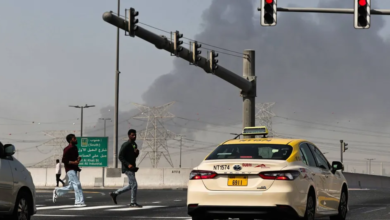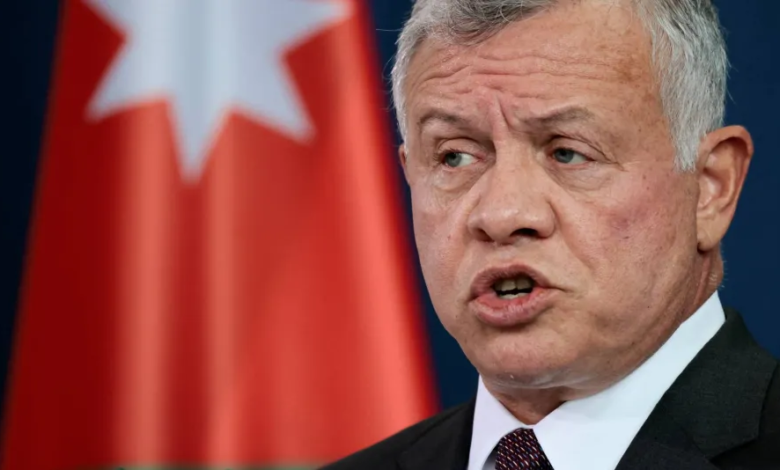
Jordan's King Abdullah II warned of the dangers of continued Iranian aggression against Arab states, indicating that these practices could lead to dire consequences and threaten to widen the circle of conflict in the Middle East. This warning comes at a time of unprecedented geopolitical tensions in the region, requiring concerted international and Arab efforts to ensure security and stability.
The context of the warnings and their sensitive timing
The Jordanian monarch's statements carry particular weight given the strategic geographic location of the Hashemite Kingdom of Jordan, situated at the heart of a turbulent region. These warnings come amidst escalating regional tensions, whether related to the war in Gaza or the ongoing skirmishes on several fronts across the region. Observers believe that Jordan, through these messages, seeks to alert the international community to the necessity of curbing any attempts to destabilize Arab states, fearing the region's descent into a full-blown, uncontrollable regional war.
Security challenges and the northern borders
King Abdullah II's warnings cannot be separated from the realities on the ground in Jordan, particularly along its northern border with Syria. Over the past few years, the Kingdom has faced escalating security challenges, including attempts to smuggle drugs and weapons through militias supported by external actors—a situation Amman considers a direct threat to its national security. Jordan consistently affirms its right to defend its borders and sovereignty against any external threats, emphasizing that Jordan's security is an integral part of Arab national security.
The repercussions of the conflict's expansion regionally and internationally
Strategic experts point out that the King's warning against "expanding the circle of conflict" carries profound implications for global energy and maritime security, not just regional security. Any miscalculation could affect vital waterways or disrupt oil supplies, making the issue a distinctly international concern. Therefore, Jordan consistently calls upon major powers to shoulder their responsibilities by exerting pressure to de-escalate tensions and resolve conflicts through diplomatic means, rather than resorting to military solutions that have proven ineffective in achieving lasting stability.
The Jordanian vision for a solution
Jordan, under the leadership of King Abdullah II, adopts a vision based on the premise that just and comprehensive political solutions are the only way to end the cycle of violence in the region. Jordanian diplomacy emphasizes the necessity of respecting the sovereignty of Arab states and non-interference in their internal affairs as a fundamental condition for building normal, good neighborly relations in the region, thus ensuring a secure future for the region's peoples, free from the language of threats and intimidation.