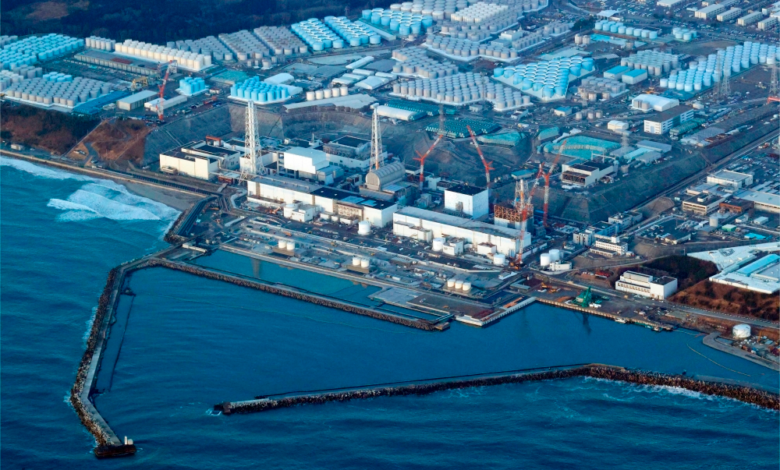

In a move that represents a radical shift in Japanese energy policy and ends years of hesitation following one of the worst nuclear disasters in history, Japan is preparing on Monday to restart the Kashiwazaki-Kariwa plant, which is ranked as the world's largest nuclear power plant in terms of production capacity.
Green light in Niigata
Local authorities in Niigata Prefecture have formally approved Tokyo Electric Power Company's (TEPCO) decision to begin operating the first of the seven reactors at the crippled Fukushima Daiichi nuclear power plant. Actual startup is scheduled to begin on January 20, marking a significant milestone in Tokyo's efforts to restore confidence in nuclear power.
Strategic location and enormous capabilities
The strategic plant is located approximately 220 kilometers northwest of Tokyo. With its restart, it becomes the 14th of the country's 33 operational reactors to return to service, following Japan's shutdown of all 54 reactors after the devastating earthquake of 2011.
Motives for Return: Between Energy Security and Carbon Neutrality
This decision does not come out of nowhere, but is imposed by urgent economic and strategic necessities. Since the closure of the reactors, Japan – poor in natural resources – has suffered from an excessive dependence on importing fossil fuels (liquefied natural gas and coal), which has made its economy vulnerable to the fluctuations of global markets and rising prices, especially in light of recent geopolitical crises.
The Japanese government aims to achieve two main goals through this move:
- Enhancing energy security: Reducing dependence on foreign imports and ensuring the stability of the electrical grid.
- Climate goals: Nuclear power is a key pillar in Japan’s plan to achieve carbon neutrality by 2050, as reactors do not produce carbon emissions during operation.
The specter of March 11th... a memory that will never fade
Despite the economic necessity, March 11, 2011, remains etched in the collective memory of the Japanese people. On that day, a magnitude 9 earthquake struck the east coast, triggering a massive tsunami with waves exceeding 10 meters in height. This double disaster resulted in the deaths or disappearances of approximately 20,000 people and caused the meltdown of reactors at the Fukushima Daiichi nuclear power plant, leading to a radiation leak considered the most serious nuclear accident since Chernobyl in 1986.
Strict safety measures and ongoing efforts
To ensure that the catastrophic scenario is not repeated, Japan’s Nuclear Regulation Authority has imposed some of the strictest safety standards in the world, including the construction of tsunami-proof walls and enhanced emergency cooling systems. In a related effort to address the legacy of the past, Japan deployed sophisticated, remotely controlled robots into the damaged Fukushima reactors last August in a delicate and risky attempt to remove debris and molten fuel—a complex process that could take decades to complete due to the high levels of radiation.
The restart of Kashiwazaki-Kariwa is not just a technical event, but a message to the world that Japan is trying to balance the fears of the past with the demands of the future, betting on advanced technology to tame nuclear power once again.