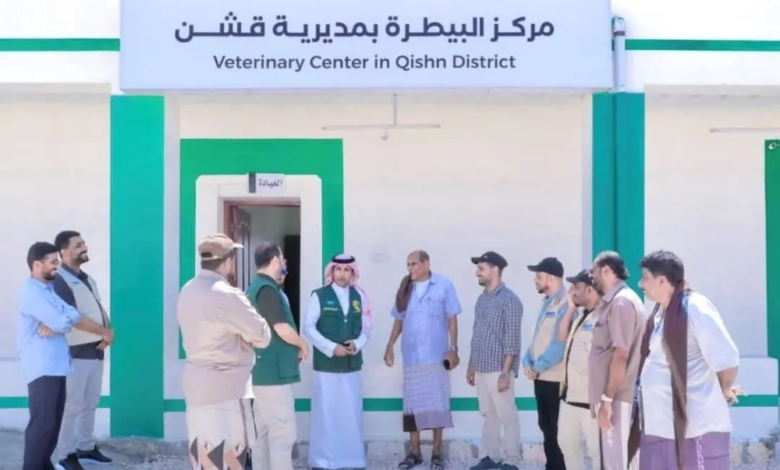

أعلن مركز الملك سلمان للإغاثة والأعمال الإنسانية عن استكمال مشروع إعادة تأهيل مبنى مركز البيطرة في مديرية قشن بمحافظة المهرة اليمنية. يأتي هذا المشروع الحيوي ضمن مبادرة أوسع لدعم الزراعة المستدامة والتمكين الزراعي والسمكي، بهدف تعزيز قدرة المجتمعات المحلية على الصمود في وجه التحديات الاقتصادية والإنسانية التي تواجه الجمهورية اليمنية.
السياق العام والجهود الإنسانية في اليمن
منذ اندلاع الأزمة في اليمن، عانت البنية التحتية في مختلف القطاعات، بما في ذلك القطاع الزراعي والحيواني، من تدهور كبير. وقد أثر هذا الوضع بشكل مباشر على الأمن الغذائي وسبل عيش ملايين اليمنيين الذين يعتمدون على الزراعة وتربية المواشي كمصدر أساسي للدخل. وفي هذا السياق، تأسس مركز الملك سلمان للإغاثة والأعمال الإنسانية في عام 2015 ليكون الذراع الإنساني للمملكة العربية السعودية، حيث ينفذ مئات المشاريع في قطاعات حيوية كالغذاء والصحة والتعليم والمياه والإصحاح البيئي ودعم سبل العيش، بهدف تخفيف معاناة الشعب اليمني والمساهمة في استعادة استقرار الخدمات الأساسية.
تفاصيل المشروع وأهميته الاستراتيجية
شملت أعمال إعادة التأهيل في مركز قشن ترميمًا شاملًا للمبنى، وإنشاء مختبر إضافي مجهز بأحدث المعدات، بالإضافة إلى تأثيث وتجهيز غرفة العمليات والمرافق الأخرى. كما تم بناء سور محيط بالمركز وإنشاء بوابة رئيسية لضمان حماية مرافقه. ويهدف هذا التدخل إلى رفع كفاءة الخدمات البيطرية المقدمة لمربي الماشية في المنطقة، مما يسهم بشكل مباشر في تنمية الثروة الحيوانية التي تعد أحد الروافد الاقتصادية الرئيسية ومصدرًا حيويًا لسبل عيش آلاف الأسر في محافظة المهرة.
الأثر المتوقع على المستوى المحلي والإقليمي
على الصعيد المحلي، يُتوقع أن يؤدي تحسين الرعاية البيطرية إلى الحد من انتشار الأمراض بين المواشي، وزيادة إنتاجيتها، وبالتالي تعزيز الأمن الغذائي والاقتصادي للأسر المعتمدة عليها. أما على المستوى الأوسع، فإن مثل هذه المشاريع التنموية المستدامة تساهم في بناء قدرة المجتمعات على التعافي وتقليل اعتمادها على المساعدات الطارئة، مما يدعم الاستقرار على المدى الطويل. ويُعد هذا المشروع جزءًا من عملية تأهيل أوسع تشمل أربعة مراكز بيطرية في محافظات حضرموت، والمهرة، وشبوة، مما يعكس نهجًا استراتيجيًا لدعم هذا القطاع الحيوي في مناطق متعددة.
وفي هذا الصدد، أشاد مدير الصحة الحيوانية والحجر البيطري بمحافظة المهرة، الدكتور حامد الحامد، بجهود مركز الملك سلمان للإغاثة في دعم القطاع الزراعي والثروة الحيوانية، مؤكدًا على أهمية المشروع في حماية الثروة الحيوانية وتنميتها وتقديم خدمات الصحة الحيوانية بكفاءة عالية للمستفيدين. ويأتي هذا الدعم في إطار المشاريع الإنسانية والتنموية التي تقدمها المملكة العربية السعودية عبر ذراعها الإنساني، مركز الملك سلمان للإغاثة، لتحسين الظروف المعيشية وتوفير الخدمات الأساسية في مختلف المحافظات اليمنية.