
دعم استراتيجي للأمن الغذائي في سوريا
في خطوة إنسانية تهدف إلى تعزيز الاستقرار وتحقيق الأمن الغذائي، نفذ مركز الملك سلمان للإغاثة والأعمال الإنسانية مشروعاً زراعياً استراتيجياً لدعم سلسلة إنتاج القمح في ريف حلب الشرقي بالجمهورية العربية السورية. يستهدف المشروع تمكين المزارعين المحليين وإعادة إحياء أحد أهم القطاعات الحيوية التي تضررت بشدة جراء الأزمة الممتدة لسنوات.
خلفية الأزمة وأثرها على الزراعة السورية
قبل اندلاع الأزمة، كانت سوريا، وخاصة مناطق مثل حلب، تُعد من السلال الغذائية الرئيسية في المنطقة، حيث اشتهرت بإنتاجها الوفير من القمح والمحاصيل الاستراتيجية الأخرى. لكن سنوات الصراع أدت إلى تدمير ممنهج للبنية التحتية الزراعية، بما في ذلك شبكات الري ومحطات الضخ، فضلاً عن نزوح المزارعين وتدهور جودة البذور وصعوبة الوصول إلى الأسمدة والمعدات. هذا الوضع أدى إلى انخفاض حاد في الإنتاج الزراعي، مما فاقم من أزمة انعدام الأمن الغذائي لدى ملايين السوريين وجعلهم يعتمدون بشكل كبير على المساعدات الإنسانية.
تفاصيل المشروع وأهدافه الرئيسية
يركز مشروع مركز الملك سلمان للإغاثة على معالجة التحديات الجذرية التي تواجه مزارعي القمح في ريف حلب، من خلال حزمة متكاملة من التدخلات تشمل:
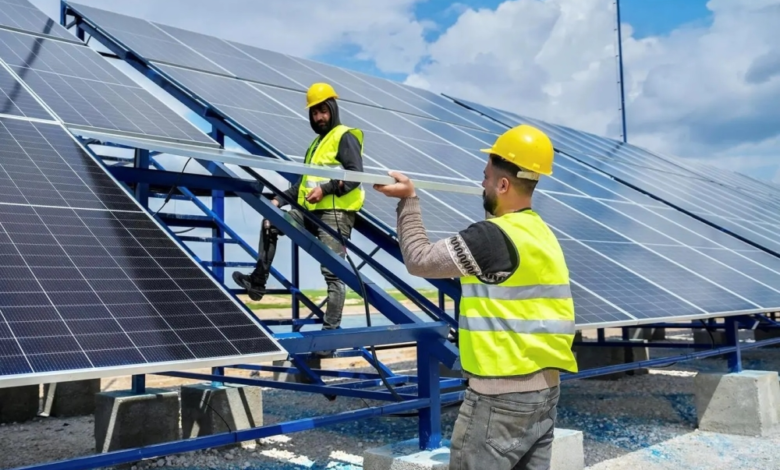
- إعادة تأهيل البنية التحتية: يتضمن المشروع تأهيل شبكات الري والصرف الزراعي الرئيسية والفرعية، ومعالجة مواقع التسرب والتكلسات، بالإضافة إلى تركيب وتأهيل وحدات ضخ تعمل بالطاقة الشمسية لضمان استدامة عمليات الري وتخفيض التكاليف على المزارعين.
- دعم بذور القمح المحسّنة: العمل على إكثار بذور القمح السوري عالية الجودة من خلال توفير معدات غربلة متنقلة ومواد تعبئة وتعقيم، وتأهيل مستودع مركزي لتخزين البذور المحسنة بشكل آمن.
- الإرشاد والدعم الفني: تأهيل 3 مراكز إرشاد زراعي وتزويدها بالكوادر الفنية والآليات اللازمة لتقديم الدعم للمزارعين، وتنظيم جلسات تدريبية جماعية لنقل المعرفة حول الممارسات الزراعية الحديثة وتقنيات ترشيد استهلاك المياه.
الأثر المتوقع للمشروع على المستويين المحلي والإقليمي
من المتوقع أن يحقق المشروع تأثيراً إيجابياً ومستداماً، حيث يستفيد منه بشكل مباشر 2,750 عائلة مزارعة، أي ما يعادل 16,500 فرد، بينما يصل عدد المستفيدين بشكل غير مباشر إلى 540 ألف فرد. على المستوى المحلي، يساهم المشروع في زيادة إنتاجية الأراضي الزراعية، وتوفير مصدر دخل ثابت للأسر، وتقليل الاعتماد على المساعدات الخارجية، مما يعزز صمود المجتمع المحلي. أما على المستوى الأوسع، فإن مثل هذه المشاريع التنموية تساهم في إعادة الاستقرار للمناطق المتضررة وتضع اللبنة الأولى نحو التعافي الاقتصادي، وتؤكد على الدور الإنساني الرائد الذي تلعبه المملكة العربية السعودية عبر ذراعها الإنساني، مركز الملك سلمان للإغاثة، في مساعدة الشعوب المتضررة حول العالم.