Fire at Al-Ahmadi refinery in Kuwait and interception of 27 drones in Saudi Arabia

The Arabian Gulf region witnessed significant security and industrial developments, including a second fire at the Ahmadi refinery belonging to the Kuwait National Petroleum Company, coinciding with the Arab Coalition's announcement that Saudi air defenses had successfully intercepted and destroyed 27 explosive-laden drones. These events highlight the challenges facing energy security and regional stability.
Details of the fire at the Ahmadi refinery in Kuwait
The fire at the Mina Al-Ahmadi refinery is a major economic event, especially as it is the second fire at the refinery in a short period. Established in 1949, the Mina Al-Ahmadi refinery is one of the largest and most important oil refineries in Kuwait, with a refining capacity of hundreds of thousands of barrels per day. The refinery plays a vital role in meeting the local market's needs for petroleum products, in addition to its significant contribution to Kuwait's oil exports to global markets. The Kuwait National Petroleum Company's firefighting teams typically handle such incidents with high professionalism to ensure that production and export operations are not affected, and to protect lives and vital infrastructure.
Saudi Arabia intercepts 27 drones
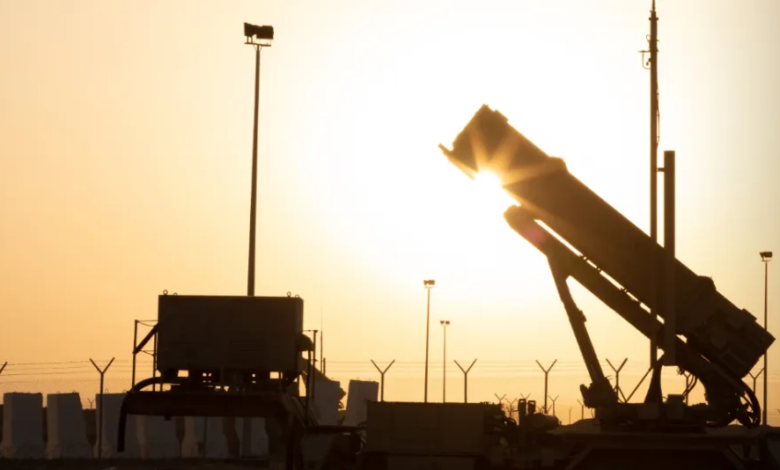
In a related security development, Saudi Arabia’s air defense systems demonstrated high efficiency in countering a large-scale attack, successfully intercepting and destroying 27 explosive-laden drones launched by the Houthi militia targeting civilian infrastructure and economic facilities within the Kingdom. This large number of drones in a single attack represents a dangerous escalation and an attempt to target the heart of the global economy. The Arab Coalition has consistently taken the necessary operational measures to protect civilians in accordance with international humanitarian law, reaffirming the Kingdom’s ability to defend its territory and national assets against any external threats.
Regional context and the importance of energy security
These developments come at a time of ongoing volatility in global energy markets. The timing of an industrial incident at a Kuwaiti oil facility, coinciding with intensified drone attacks on Saudi Arabia, raises concerns within the international community regarding the security of energy supplies. The Arabian Gulf region is the main artery for the flow of oil and gas to the world, and any security threat or industrial disruption in this region directly impacts global oil prices and inflation rates in major industrialized nations.
Economic and international repercussions
On the economic front, global markets are closely monitoring any incidents affecting energy infrastructure in the Gulf states. While the fire at the Ahmadi refinery is often classified as an isolated incident that is contained without any widespread impact on exports, the systematic drone attacks on Saudi Arabia have drawn widespread international condemnation. These events underscore the need to strengthen international and regional cooperation to secure waterways and oil facilities, and to provide advanced technology for early detection and interception, in order to ensure the stability of the global economy, which depends almost entirely on the sustainable flow of energy from the Middle East.