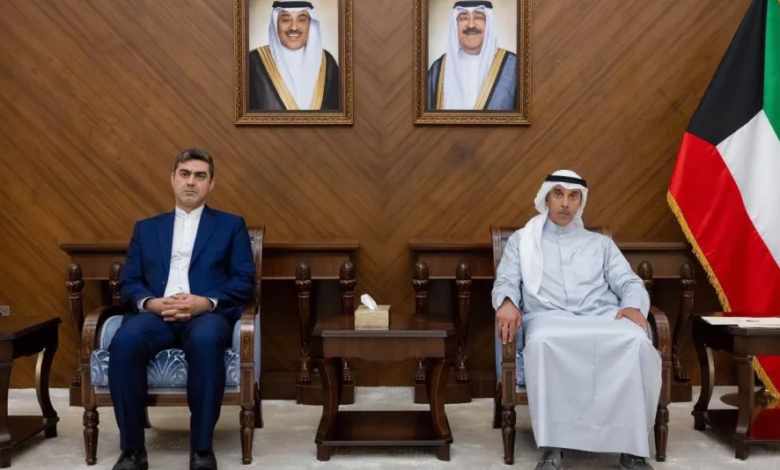

في خطوة تعكس تصاعد التوتر في العلاقات الثنائية، أعلنت دولة الكويت عن قرارها مطالبة عدد من الدبلوماسيين الإيرانيين بمغادرة أراضيها، في إجراء دبلوماسي حاسم يأتي على خلفية اتهامات بضلوع طهران في أنشطة استخباراتية تهدد الأمن الوطني الكويتي. قرار الكويت طرد دبلوماسيين إيرانيين لم يكن وليد اللحظة، بل جاء تتويجاً لمسار قضائي طويل ومعقد، مما يفتح الباب أمام تساؤلات حول مستقبل العلاقات بين البلدين الجارين وتأثير ذلك على استقرار منطقة الخليج العربي.
خلفيات القرار: قضية “خلية العبدلي” تشعل الأزمة
يعود السبب المباشر لهذا التصعيد الدبلوماسي إلى الحكم النهائي الذي أصدرته محكمة التمييز الكويتية في قضية “خلية العبدلي” الشهيرة. بدأت فصول هذه القضية في عام 2015 عندما ضبطت الأجهزة الأمنية الكويتية كميات ضخمة من الأسلحة والذخائر في مزرعة بمنطقة العبدلي، وألقت القبض على مجموعة من المتهمين. وجهت النيابة العامة للمتهمين تهماً خطيرة، من بينها التخابر مع إيران وحزب الله اللبناني بهدف القيام بأعمال عدائية ضد الكويت، وحيازة أسلحة ومتفجرات بشكل غير قانوني. وبعد سنوات من المحاكمات، أيدت المحكمة العليا إدانة أعضاء الخلية، مشيرة إلى وجود ارتباطات مباشرة بينهم وبين جهات إيرانية رسمية، وهو ما اعتبرته الكويت تدخلاً سافراً في شؤونها الداخلية ومساساً بسيادتها وأمنها القومي.
تداعيات قرار الكويت طرد دبلوماسيين إيرانيين
لم يقتصر الإجراء الكويتي على طلب مغادرة الدبلوماسيين فحسب، بل شمل أيضاً تخفيض عدد أعضاء البعثة الدبلوماسية الإيرانية في البلاد، وتجميد أنشطة اللجان المشتركة، وإغلاق الملحقية الثقافية والمكتب العسكري الإيراني. تمثل هذه الإجراءات رسالة سياسية واضحة من الكويت بأنها لن تتهاون مع أي محاولات لزعزعة استقرارها. على الصعيد الإقليمي، يأتي هذا القرار في سياق يتسم بالاستقطاب الحاد بين إيران وعدد من دول مجلس التعاون الخليجي. وقد حظيت الخطوة الكويتية بدعم وتأييد من دول خليجية وعربية رأت فيها موقفاً حازماً وضرورياً للحفاظ على الأمن الجماعي في المنطقة. من المتوقع أن يؤدي هذا التصعيد إلى فترة من الفتور الدبلوماسي بين طهران والكويت، وقد يؤثر على جهود الوساطة التي كانت الكويت تلعبها أحياناً لتهدئة التوترات الإقليمية، مما يضيف المزيد من التعقيد للمشهد السياسي في الخليج.