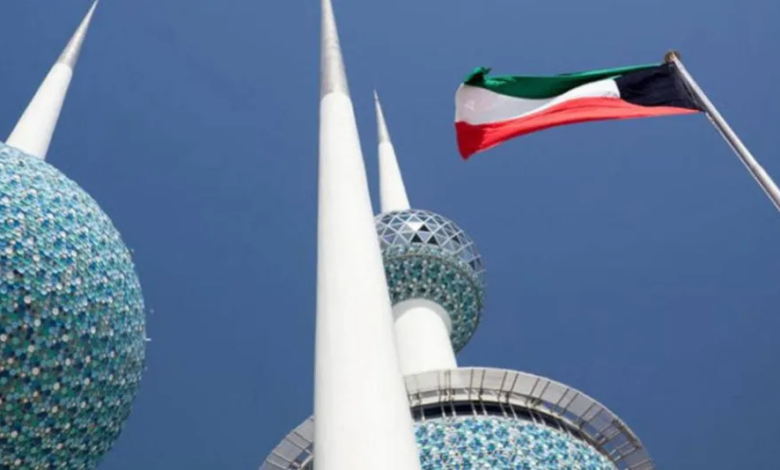

في خطوة تمثل تصعيداً كبيراً في التوترات الإقليمية، أعلنت دولة الكويت رسمياً أنها تحمل إيران المسؤولية المباشرة عن الهجمات الأخيرة التي استهدفت مواقع حيوية داخل أراضيها باستخدام صواريخ باليستية وطائرات مسيرة. وأكدت الحكومة الكويتية في بيان عاجل أن الأدلة التي تم جمعها تشير بوضوح إلى وقوف طهران وراء هذا “العمل العدائي” الذي يهدد أمن واستقرار البلاد والمنطقة بأسرها، متعهدة باتخاذ كافة الإجراءات اللازمة للدفاع عن سيادتها.
تداعيات الهجوم وتصاعد التوتر في الخليج
يأتي هذا الاتهام المباشر في وقت تتزايد فيه حدة التوتر في منطقة الخليج العربي، التي تعد شرياناً حيوياً لإمدادات الطاقة العالمية. لطالما كانت العلاقات بين دول مجلس التعاون الخليجي وإيران متوترة، مدفوعة بخلافات حول البرنامج النووي الإيراني، ودور طهران المزعزع للاستقرار في دول مثل اليمن وسوريا والعراق، ودعمها لجماعات مسلحة. هذا الهجوم، إن ثبت تورط إيران فيه بشكل قاطع، لا يمثل فقط انتهاكاً لسيادة الكويت، بل يعتبر أيضاً رسالة تحدٍ للمنظومة الأمنية الخليجية بأكملها، وقد يدفع المنطقة نحو مواجهة غير محسوبة العواقب.
موقف خليجي موحد وإدانة دولية متوقعة
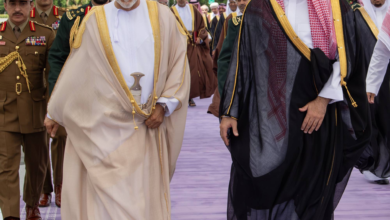
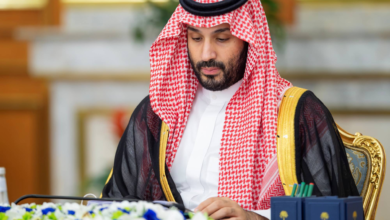
فور الإعلان الكويتي، توالت ردود الفعل المنددة من دول مجلس التعاون الخليجي. وأصدرت كل من المملكة العربية السعودية ودولة الإمارات العربية المتحدة والبحرين وقطر بيانات إدانة شديدة اللهجة، مؤكدة تضامنها الكامل مع الكويت في وجه أي تهديد يطال أمنها. وشددت البيانات على أن أي اعتداء على أي دولة عضو في المجلس هو اعتداء على جميع الأعضاء. ومن المتوقع أن يثير هذا التطور قلقاً دولياً واسعاً، حيث من المرجح أن تدعو القوى الكبرى مثل الولايات المتحدة والدول الأوروبية إلى ضبط النفس وتجنب التصعيد، مع زيادة الضغوط الدبلوماسية على طهران لكبح أنشطتها المزعزعة للاستقرار في المنطقة.
لماذا الكويت تحمل إيران المسؤولية؟ خلفيات الصراع
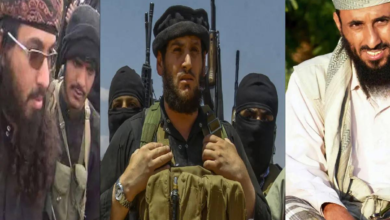
إن قرار الكويت تحميل إيران المسؤولية لا يأتي من فراغ، بل يستند إلى نمط متكرر من الأحداث في المنطقة. فالهجمات التي استهدفت منشآت أرامكو النفطية في السعودية عام 2019، والهجمات المتكررة التي يشنها الحوثيون المدعومون من إيران على أهداف مدنية واقتصادية، كلها تشكل سوابق تعزز من مصداقية الاتهامات الموجهة لطهران. ويرى محللون أن مثل هذه الهجمات تهدف إلى اختبار ردود الفعل الإقليمية والدولية، ومحاولة فرض نفوذ إيراني أكبر في موازين القوى بالشرق الأوسط. ويبقى السؤال الأهم الآن هو طبيعة الرد الذي ستتخذه الكويت وحلفاؤها، وما إذا كان سيقتصر على المسارات الدبلوماسية أم قد يتطور إلى أشكال أخرى من الردع.