
شهدت جزيرة مدغشقر كارثة إنسانية وبيئية جديدة مع ارتفاع حصيلة ضحايا إعصار “جيزاني” المداري، الذي ضرب الساحل الشمالي الشرقي للبلاد بقوة تدميرية هائلة. وقد أعلنت السلطات الرسمية اليوم عن ارتفاع عدد الوفيات إلى 59 شخصاً على الأقل، بينما لا يزال 15 آخرون في عداد المفقودين، وسط مخاوف من تزايد الأعداد مع استمرار عمليات البحث والإنقاذ تحت الأنقاض وفي المناطق المغمورة بالمياه.
تفاصيل الكارثة في تواماسينا
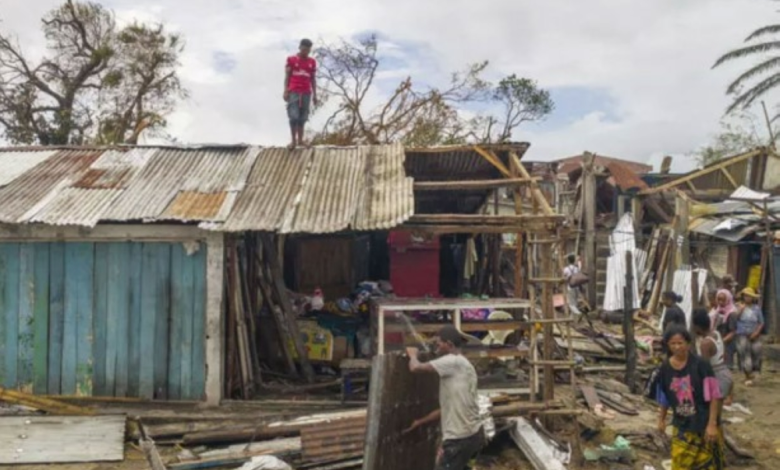
اجتاح الإعصار مدينة تواماسينا الساحلية والقرى المحيطة بها برياح عاتية بلغت سرعتها القياسية 250 كيلومتراً في الساعة، مما حول المنطقة إلى ساحة دمار واسعة. وأشارت التقارير الميدانية إلى أن قوة الرياح لم تكتفِ باقتلاع الأشجار وأعمدة الكهرباء، بل سوت أحياء سكنية كاملة بالأرض. وتفيد الإحصائيات الرسمية بأن أكثر من 800 شخص أصيبوا بجروح متفاوتة الخطورة، بينما اضطر نحو 16 ألف مواطن للنزوح قسراً من منازلهم بحثاً عن مأوى آمن في المدارس والمراكز الحكومية التي خصصت للإيواء الطارئ.
الخسائر المادية والبنية التحتية
لم تقتصر الأضرار على الخسائر البشرية المؤلمة، بل طالت البنية التحتية بشكل غير مسبوق. فقد دمر الإعصار ما يقارب 25 ألف منزل بشكل كلي أو جزئي، تاركاً آلاف الأسر بلا مأوى. كما غمرت مياه الفيضانات الناجمة عن الأمطار الغزيرة المصاحبة للإعصار نحو 27 ألف منزل آخر، مما أدى إلى تلف الممتلكات والمحاصيل الزراعية التي يعتمد عليها السكان المحليون في معيشتهم اليومية.
السياق الجغرافي والمناخي لمدغشقر
تعتبر مدغشقر، رابع أكبر جزيرة في العالم، واحدة من أكثر الدول عرضة للأعاصير المدارية في منطقة المحيط الهندي. وتواجه البلاد سنوياً موسم أعاصير يمتد عادة من نوفمبر إلى أبريل، حيث تتشكل العواصف في المياه الدافئة وتتحرك غرباً لتضرب السواحل الشرقية للجزيرة. ويعاني السكان في هذه المناطق من هشاشة البنية التحتية، حيث تُبنى العديد من المنازل من مواد بسيطة كالخشب والطين، مما يجعلها غير قادرة على الصمود أمام رياح تتجاوز سرعتها 200 كم/ساعة، وهو ما يفسر حجم الدمار الهائل الذي خلفه إعصار “جيزاني”.
التداعيات الإنسانية والاقتصادية المتوقعة
من المتوقع أن يكون لهذا الإعصار تداعيات طويلة الأمد على الاقتصاد المحلي والأمن الغذائي في مدغشقر. فالمناطق المتضررة في الشمال الشرقي تعتبر مراكز حيوية لزراعة الفانيليا والقرنفل والأرز، وهي سلع تصديرية أساسية. قد يؤدي تلف المحاصيل إلى نقص في الغذاء وارتفاع في الأسعار، مما يفاقم معاناة السكان الذين يعانون أصلاً من تحديات اقتصادية. علاوة على ذلك، تبرز مخاوف صحية من انتشار الأمراض المنقولة عبر المياه نتيجة تلوث مصادر الشرب واختلاطها بمياه الصرف الصحي والفيضانات، مما يستدعي تدخلاً عاجلاً من المنظمات الدولية لتقديم المساعدات الطبية والغذائية.
وتواصل فرق الإنقاذ والدفاع المدني جهودها الحثيثة للوصول إلى المناطق المعزولة التي قطعت الطرق المؤدية إليها، في سباق مع الزمن للعثور على المفقودين وتقديم العون للمشردين في ظل ظروف جوية ولوجستية بالغة التعقيد.