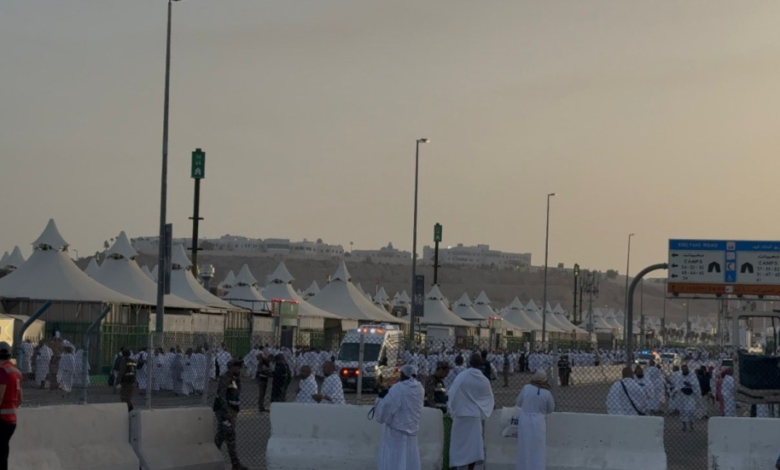

في إطار الجهود المستمرة لضمان استدامة الموارد خلال موسم الحج، أطلقت الجهات المعنية حملة توعوية واسعة تحت شعار «مائي»، استهدفت أكثر من 100 مخيم للحجاج في مشعر منى خلال أيام التشريق. تهدف هذه الجولات الميدانية إلى رفع مستوى الوعي بأهمية ترشيد استهلاك المياه بين ضيوف الرحمن، في وقت يصل فيه الطلب على المياه إلى ذروته.
خلفية تاريخية وسياق عام
يُعد موسم الحج أكبر تجمع ديني سنوي في العالم، حيث يجتمع الملايين من المسلمين في مكة المكرمة والمشاعر المقدسة لأداء الركن الخامس من أركان الإسلام. وتشكل إدارة الموارد، وعلى رأسها المياه، تحدياً لوجستياً هائلاً للمملكة العربية السعودية. ونظراً للطبيعة الصحراوية للمنطقة، فإن تأمين كميات كافية من المياه النقية لجميع الحجاج يتطلب بنية تحتية متطورة وخططاً تشغيلية دقيقة. على مر العقود، طورت المملكة شبكات مياه ضخمة ومحطات تحلية عملاقة لتلبية هذا الطلب المتزايد، إلا أن التركيز تحول في السنوات الأخيرة نحو تعزيز جانب الاستدامة من خلال نشر ثقافة الترشيد بين المستهلكين، وخاصة خلال مواسم الذروة كالحج.
أهمية الحملة وتأثيرها المتوقع
تكتسب حملة «مائي» أهميتها من كونها لا تقتصر على توفير المياه فحسب، بل تسعى إلى تغيير سلوكيات الاستهلاك لدى الحجاج. يتم ذلك عبر فرق ميدانية متخصصة تجوب المخيمات، وتقدم إرشادات عملية بلغات متعددة حول كيفية الوضوء والاغتسال واستخدام المياه في الأغراض اليومية دون هدر. وتستند هذه الإرشادات إلى تعاليم الدين الإسلامي التي تحث على عدم الإسراف، وإلى الممارسات البيئية الحديثة.
على الصعيد المحلي، تساهم الحملة في تخفيف الضغط على شبكات المياه الوطنية وتضمن استمرارية الإمدادات بكفاءة عالية لجميع الحجاج في مشعر منى. أما على الصعيد الدولي، فإن هذه المبادرة تحمل رسالة حضارية للعالم، حيث يعود الحجاج إلى بلدانهم محملين بقيم جديدة حول أهمية الحفاظ على الموارد الطبيعية. ويمكن لهذه التجربة أن تلهمهم ليكونوا سفراء للترشيد في مجتمعاتهم، خاصة وأن العديد من الدول الإسلامية تواجه تحديات مائية متزايدة. إن نجاح مثل هذه الحملات يعكس قدرة المملكة على تنظيم وإدارة الحشود المليونية بكفاءة، بما يتماشى مع أهداف رؤية 2030 التي تضع الاستدامة البيئية في صميم أولوياتها.