In a proactive move reflecting the scale of the risks facing the US East Coast, authorities in New York decisive orders to almost completely shut down the public transportation network, allowing only emergency travel, in preparation for a major snowstorm expected to be one of the most impactful in the last decade. These measures come as tens of millions of Americans, from Washington, D.C. in the south to Maine in the far north, await the arrival of the deep low-pressure system.
Storm details and weather warnings
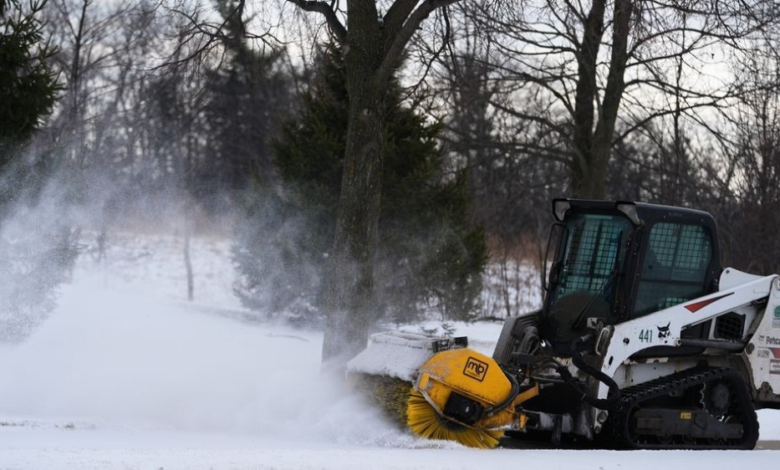
According to the National Weather Service, a rapidly forming storm off the coast, known in meteorology as a "bomb cyclone" (a phenomenon characterized by a sharp drop in atmospheric pressure), will bring massive amounts of snow. Forecasts indicate that snowfall could reach up to 60 centimeters in some areas, with heavy snowfall rates of 5 to 8 centimeters per hour at the storm's peak, reducing visibility to near zero and turning roads into treacherous traps.
Meteorologists have warned that the area stretching from Maryland to southeastern New England will be at the heart of the storm, emphasizing that travel will be "extremely dangerous," if not impossible. There are growing fears of widespread power outages due to heavy snow accumulating on power lines, coupled with strong winds that could uproot trees.
State of emergency and mobilization in the eastern states
The mobilization wasn't limited to New York; it extended to several neighboring states. Officials in New Jersey declared a state of emergency to ensure the smooth flow of relief efforts and the provision of necessary resources. In Boston, Mayor Michelle Wu ordered the closure of all public schools and municipal offices, urging residents to stay home.
This storm is particularly significant given its anticipated impact on the I-95 Corridor, the most densely populated and vital economic artery in the United States. Any prolonged disruption in this area would not only affect the daily lives of residents but also cast a shadow over trade and air and ground transportation nationwide.
Historical context and coastal risks
This storm comes just weeks after a previous cold snap and storm struck the region at the end of January, causing loss of life and property damage. This puts the region's infrastructure to a real test of its ability to withstand repeated extreme weather events. In addition to the snow, the National Weather Service warned of moderate to major coastal flooding that could affect low-lying areas from Delaware to Cape Cod, Massachusetts, due to high sea levels caused by strong winds.
In closing the official warnings, New York Governor Kathy Hookall urged residents to "prepare for the worst," stressing the need for immediate stockpiling of food, medicine, and pet supplies, and full compliance with stay-at-home directives, emphasizing that the top priority is preserving lives under these harsh weather conditions.