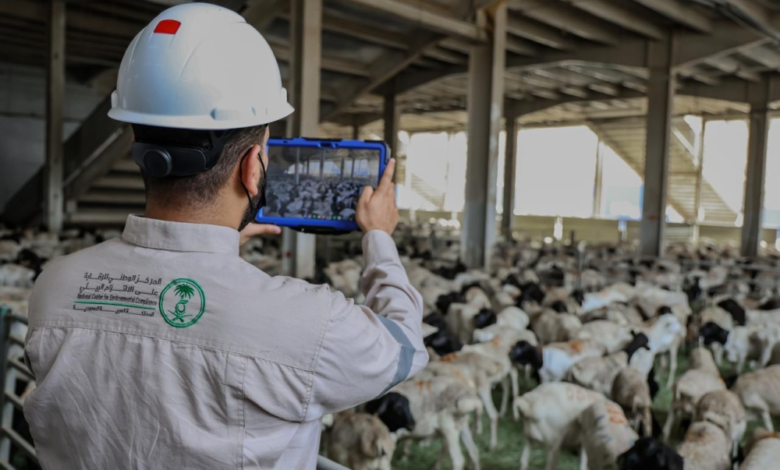

في إطار الجهود الحثيثة لضمان سلامة حجاج بيت الله الحرام والحفاظ على بيئة المشاعر المقدسة، أعلن المركز الوطني للرقابة على الالتزام البيئي عن تكثيف وتيرة الرقابة الميدانية على المسالخ والمنشآت ذات الأثر البيئي المرتفع في العاصمة المقدسة. وتأتي هذه الخطوة بالتزامن مع بدء أعمال ذبح الأضاحي في أول أيام عيد الأضحى المبارك، حيث تم تنفيذ أكثر من 843 زيارة رقابية، من بينها 75 جولة متخصصة استهدفت المنشآت عالية الخطورة.
رقابة بيئية مشددة خلال موسم الحج
أوضح المهندس محمد بن عمار أمين، مدير مكتب المركز في العاصمة المقدسة، أن هذه الجولات الرقابية المكثفة تأتي ضمن خطة عمل متكاملة للمرحلة الثانية من موسم الحج، الممتدة من 1 إلى 12 ذي الحجة. وأكد أن الهدف الأساسي هو التأكد من سلامة التعامل مع المخلفات الصلبة والسائلة الناتجة عن ملايين الأضاحي التي يتم ذبحها خلال الموسم، والتحقق من التزام المنشآت بالاشتراطات البيئية المعتمدة.
وشملت الجولات الرقابية أكثر من 8 منشآت للمسالخ ومواقع الأضاحي، بالإضافة إلى محطتي صرف صحي ومردمين هندسيين، وذلك بهدف تقليل أي آثار محتملة على البيئة والصحة العامة. من جهته، أكد مدير التفتيش بالمركز، عبد الله العيوني، أن نشاط المسالخ يُعد من الأنشطة المستهدفة رقابياً بشكل رئيسي خلال موسم الحج، نظراً لارتفاع طاقتها التشغيلية وما يصاحبها من كميات كبيرة من المخلفات.
أهمية الرقابة في الحج: سياق تاريخي ولوجستي
يُعد موسم الحج أكبر تجمع بشري سنوي في العالم، حيث يفد ملايين المسلمين إلى مكة المكرمة لأداء الفريضة. ويشكل شعيرة ذبح الأضاحي (الهدي والأضاحي) جزءاً أساسياً من مناسك الحج وعيد الأضحى. تاريخياً، شكلت إدارة الكميات الهائلة من المخلفات العضوية الناتجة عن هذه الشعيرة تحدياً لوجستياً وبيئياً كبيراً للسلطات السعودية. فالتخلص غير الآمن من هذه المخلفات يمكن أن يؤدي إلى مخاطر صحية جسيمة، مثل انتشار الأمراض والأوبئة، فضلاً عن التلوث البيئي الذي يضر بالتربة والمياه والهواء، وهو ما يتنافى مع قدسية المكان.
لذلك، تطورت أنظمة الرقابة والإدارة البيئية على مر السنين لتصبح اليوم منظومة متكاملة تهدف إلى تحقيق التوازن بين أداء الشعائر الدينية والحفاظ على الصحة العامة واستدامة البيئة، بما يتماشى مع أهداف رؤية المملكة 2030 في حماية البيئة وتحسين جودة الحياة.
تأثيرات محلية ودولية وجهود مستدامة
إن نجاح المملكة في إدارة هذا التحدي البيئي له أبعاد تتجاوز النطاق المحلي. فعلى المستوى المحلي، تضمن هذه الإجراءات بيئة صحية وآمنة للحجاج وسكان مكة المكرمة. أما على الصعيد الدولي، فإن الإدارة الفعالة للحج تعزز من مكانة المملكة كراعٍ للحرمين الشريفين وقدرتها على تنظيم أكبر الفعاليات العالمية بكفاءة عالية. كما أن الحفاظ على صحة الحجاج يمنع انتقال أي أمراض عند عودتهم إلى بلدانهم، مما يجعله شأناً يهم الصحة العامة العالمية.
وقد أظهرت الدراسات البيئية أن الطاقة التشغيلية لمجمع مجازر الوحدات الحديثة في مكة تصل إلى نحو 370 ألف رأس خلال أربعة أيام فقط. وتخضع هذه المنظومة لرقابة بيئية مستمرة تشمل رصد جودة الهواء، مستويات الضوضاء، وآليات إدارة المخلفات، حيث يتم تجميع المخلفات السائلة في خزانات متخصصة ونقلها للمعالجة، بينما تُنقل المخلفات الصلبة عبر سيور ناقلة للتخلص الآمن منها، مما يحد من أي آثار بيئية سلبية محتملة.