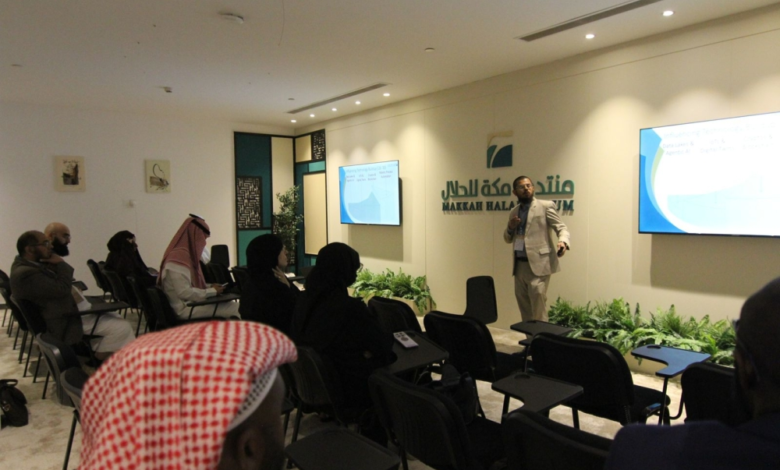

في خطوة استراتيجية تعكس التوجه المستقبلي للمملكة العربية السعودية نحو قيادة الاقتصاد الإسلامي العالمي، رسم «منتدى مكة للحلال 2026» في نسخته الثالثة ملامح حقبة جديدة كلياً لصناعة التريليونات، معلناً بشكل رسمي نهاية عصر «الشهادات الورقية» التقليدية، وبدء التحول الشامل نحو منظومة رقمية متكاملة تعتمد على تقنيات الذكاء الاصطناعي و«البلوك تشين».
ويأتي هذا التحول في سياق رؤية المملكة 2030 التي تهدف إلى ترسيخ مكانة السعودية كمركز لوجستي وتجاري عالمي لمنتجات الحلال، حيث يسعى المنتدى لرفع معايير الشفافية والحوكمة الفورية لسلاسل الإمداد من المصدر وحتى وصول المنتج للمستهلك النهائي.
تحول تاريخي نحو الأصول الرقمية
شهدت ورشة العمل التي حملت عنوان «الحلال المستقبلي» نقاشاً تقنياً متقدماً حول آليات هذا التحول. وفي هذا الصدد، أكد أخصائي التحول الرقمي، طلحة شيخ، أن الفترة الممتدة من عام 2026 إلى 2030 ستكون بمثابة ثورة تقنية شاملة في القطاع. وأوضح أن شهادات الحلال لن تكون مجرد وثائق، بل ستتحول إلى «أصول رقمية مشفرة» غير قابلة للتزوير أو التلاعب.
هذا النظام الجديد سينهي البيروقراطية التي طالما عانى منها المستوردون والمصدرون، وسيمنح المستهلك قوة غير مسبوقة تتمثل في القدرة على التحقق الفوري من منشأ المنتج وسلامته الشرعية والصحية عبر مسح رمز الاستجابة السريعة «QR Code»، مما يعزز الثقة في المنتجات المطروحة في الأسواق.
الذكاء الاصطناعي: الوكيل الذكي والامتثال الشرعي
وفي استعراض لأحدث التقنيات، قدم دانيال أحمد، أخصائي الذكاء الاصطناعي، مفهوم «الذكاء الاصطناعي الوكيل». وتعمل هذه التقنية كمساعد ذكي يتولى المهام المعقدة مثل تحليل آلاف الوثائق والمستندات، وأتمتة قوائم التدقيق الطويلة.
وأشار أحمد إلى أن هذه الأنظمة ستسرع من دخول المنتجات للأسواق وتقلص مدد الاستيراد بشكل كبير، مع التأكيد على نقطة جوهرية وهي بقاء القرار النهائي بيد الخبراء البشريين لضمان الامتثال الشرعي الدقيق، حيث تعمل التقنية كأداة مساندة لتعزيز الكفاءة وليست بديلاً عن الرقابة الشرعية.
الفجوة الاستراتيجية والدرع المالي
من جانبه، وجه الحسن خلاوي، ممثل التكامل التقني، تحذيراً شديد اللهجة للشركات العاملة في القطاع من خطر الوقوع في «فجوة استراتيجية». وأوضح أن التأخر في تبني هذه الحلول الرقمية قد يؤدي إلى خروج الشركات التقليدية من السوق لصالح المنافسين المعتمدين على التقنية.
ووصف خلاوي التقنية بأنها «درع مالي» يحمي هوامش الربح للشركات، حيث تساهم الأتمتة في تقليل تكاليف الأخطاء البشرية والهدر التشغيلي، مما يتيح للشركات التوسع العابر للحدود وزيادة حصتها السوقية دون الحاجة لزيادة ضخمة في القوى العاملة.
تطبيقات عملية: من المسلخ إلى المائدة
وفي الجانب التطبيقي، عرض البروفيسور وديع الحلبي نماذج حية لتوظيف الأنظمة الذكية في المراقبة الميدانية. وتضمنت النماذج استخدام كاميرات ومستشعرات ذكية لمراقبة عمليات الذبح والتحقق من شرعيتها آلياً، بالإضافة إلى رصد درجات الحرارة بدقة متناهية أثناء عمليات النقل والتخزين لضمان سلامة الغذاء.
كما تشمل التطبيقات ضبط الالتزام الصحي في المطابخ الكبرى، مما ينقل صناعة الحلال من مجرد الامتثال التقليدي للقوانين إلى مرحلة «الحوكمة الذكية» التي تضمن أعلى معايير الجودة والسلامة للمستهلكين حول العالم.