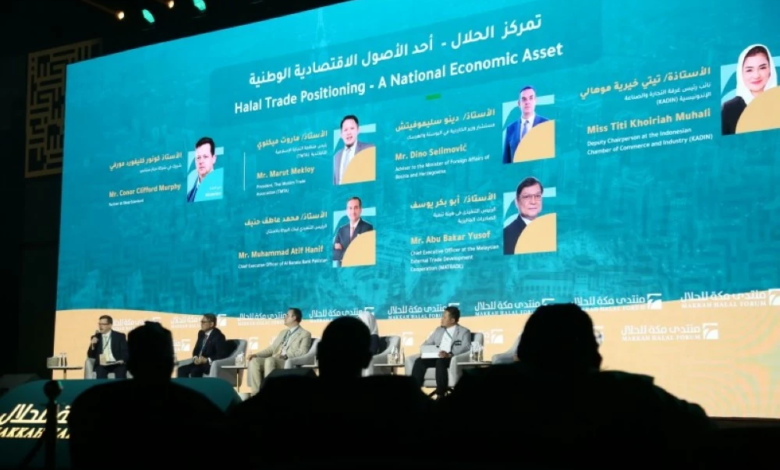

أكد مشاركون وخبراء في منتدى مكة للحلال 2026 أن توحيد المعايير يمثل ركيزة استراتيجية حتمية لضمان نمو واستدامة قطاع الحلال عالمياً، خاصة في ظل التوسع المتسارع الذي تشهده هذه الصناعة وتعدد المرجعيات التنظيمية. وشدد الحضور على أن تقليص التباين في المواصفات بين الدول من شأنه تعزيز الثقة لدى المستهلكين وتسهيل انسيابية الحركة التجارية عبر الحدود.
الأهمية الاقتصادية لتوحيد معايير الحلال
ويكتسب هذا التوجه أهمية قصوى بالنظر إلى السياق العام للاقتصاد الإسلامي، حيث تشير التقديرات العالمية إلى أن اقتصاد الحلال لم يعد يقتصر فقط على الأغذية والمشروبات، بل امتد ليشمل قطاعات الأدوية، ومستحضرات التجميل، والسياحة، والخدمات اللوجستية. ومع وصول حجم هذا الاقتصاد إلى تريليونات الدولارات، أصبح تعدد المعايير الوطنية عائقاً فنياً أمام التجارة الدولية، مما يرفع من تكلفة الامتثال على الشركات المصدرة ويخلق إرباكاً في سلاسل الإمداد العالمية.
وفي هذا السياق، أوضح الأمين العام للغرفة الإسلامية للتجارة والتنمية، يوسف خلاوي، أن الاحترافية في توحيد المعايير ينبغي أن تنطلق من داخل المنظومة الاقتصادية نفسها. ودعا إلى تبني نموذج عمل منظم بشكل طوعي من قبل القطاع الخاص قبل الانتقال إلى مرحلة الإلزام النظامي، مؤكداً أن البيئة التنافسية الواضحة هي التي ترفع مستوى المهنية وتعزز ثقة الأسواق العالمية في المنتجات الحلال.
البنية التحتية للجودة وتحديات التعددية
من جانبه، بيّن الأمين العام للمنتدى الإسلامي لجهات اعتماد الحلال، بدر العبداللطيف، أن البنية التحتية المتكاملة لجودة الحلال لا تقتصر على إصدار الشهادات فحسب، بل تشمل منظومة معقدة تضم جهات وضع المواصفات، وتقويم المطابقة، والاعتماد، والقياس والمعايرة. وحذّر العبداللطيف من أن استمرار تعدد المواصفات الوطنية بشكل منفرد يؤدي إلى اختلاف ممارسات التقويم، مما يحد من التكامل الاقتصادي بين الدول الإسلامية وغيرها من الدول المصدرة لمنتجات الحلال.
وفي سياق متصل، أشار مدير ملفات الحلال بمركز الاعتماد الخليجي، عبدالعزيز الصعب، إلى التبعات الاقتصادية لهذا التباين، موضحاً أن اختلاف المعايير بين الدول يرفع تكاليف الإنتاج بشكل مباشر ويؤثر سلباً في كفاءة سلاسل الإمداد. وأوضح الصعب أن دول الخليج قطعت شوطاً كبيراً في هذا المجال من خلال اعتمادها على مواصفات هيئة التقييس لدول مجلس التعاون لدول الخليج العربية، بالإضافة إلى مواءمتها مع معايير معهد المواصفات والمقاييس للدول الإسلامية (SMIIC)، مما يعزز من موقفها ككتلة اقتصادية موحدة.
رؤية المملكة 2030 ومستقبل الصناعة
واختتم المشاركون نقاشاتهم بالتأكيد على أن الحوار المؤسسي المستمر يسهم في بناء إطار مرجعي مشترك يدعم تدفق المنتجات دون عوائق فنية. ويأتي هذا التوجه منسجماً تماماً مع مستهدفات رؤية السعودية 2030، التي تسعى لجعل المملكة مركزاً عالمياً لصناعة الحلال، من خلال تعزيز تنافسية الاقتصاد الوطني وتطوير البيئة التشريعية والتنظيمية التي تضمن جودة وسلامة المنتجات، مما يرسخ مكانة المملكة كقائد عالمي في هذا القطاع الحيوي.