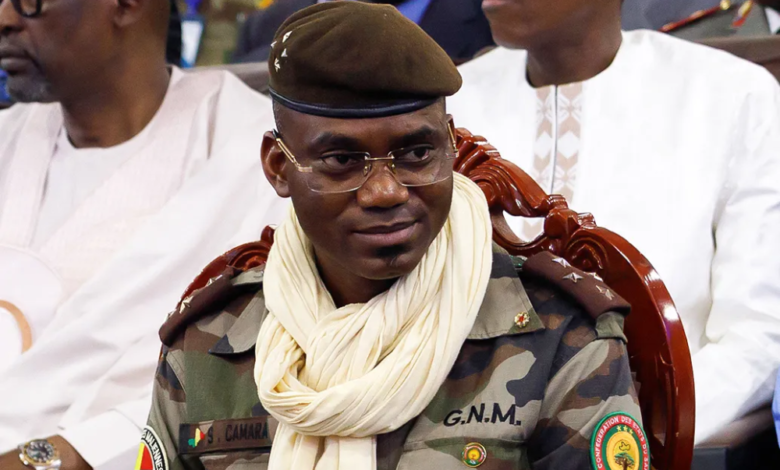

في تصعيد أمني خطير، قُتل وزير الدفاع المالي، الجنرال ساديو كامارا، مع زوجته واثنين من أطفاله في هجوم استهدف مقر إقامته في مدينة كاتي، بالقرب من العاصمة باماكو. وأعلنت جماعة “نصرة الإسلام والمسلمين”، المرتبطة بتنظيم القاعدة، مسؤوليتها عن الهجوم الذي تم تنفيذه مساء السبت عبر سيارة مفخخة.
ووفقاً للمصادر الأولية، فإن الهجوم كان جزءاً من عملية منسقة شملت أهدافاً أخرى في محيط العاصمة، ونُفذ بالتعاون مع متمردين من الطوارق ينتمون إلى “جبهة تحرير أزواد”. ويشير استهداف شخصية رفيعة بحجم الجنرال كامارا (47 عاماً)، الذي يعد أحد أبرز وجوه المجلس العسكري الحاكم، إلى قدرة التنظيمات الإرهابية على اختراق الإجراءات الأمنية والوصول إلى أهداف استراتيجية في قلب الدولة.
خلفية الصراع في مالي ومنطقة الساحل
يأتي هذا الهجوم في سياق أمني مضطرب تعيشه مالي ومنطقة الساحل الأفريقي منذ أكثر من عقد. اندلعت الأزمة في شمال مالي عام 2012 مع تمرد انفصالي للطوارق، سرعان ما استغلته جماعات جهادية متطرفة مرتبطة بالقاعدة للسيطرة على مدن رئيسية. ورغم التدخل العسكري الفرنسي في عام 2013 الذي أدى إلى طرد هذه الجماعات مؤقتاً، إلا أنها أعادت تنظيم صفوفها وتوسعت جنوباً نحو وسط مالي والدول المجاورة مثل بوركينا فاسو والنيجر.
شهدت مالي انقلابين عسكريين منذ عام 2020، أدت إلى وصول مجلس عسكري إلى السلطة بقيادة الكولونيل أسيمي غويتا. اتخذت الحكومة الانتقالية الجديدة منحى سياسياً مختلفاً، حيث أنهت تحالفها العسكري مع فرنسا والقوى الأوروبية، وتوجهت نحو تعزيز شراكتها الأمنية مع روسيا، وكان الجنرال ساديو كامارا مهندس هذا التحول الاستراتيجي.
الأهمية والتأثيرات المتوقعة للهجوم
يحمل اغتيال وزير الدفاع المالي دلالات خطيرة وتداعيات محتملة على عدة مستويات. فعلى الصعيد المحلي، يمثل الهجوم ضربة قوية للمجلس العسكري الحاكم، ويقوض روايته بشأن تحقيق السيادة واستعادة الأمن. كما قد يثير تساؤلات حول فعالية الاستراتيجية الأمنية الجديدة المعتمدة على الشراكة الروسية، وقد يؤدي إلى زعزعة الاستقرار داخل المؤسسة العسكرية نفسها.
إقليمياً، يبعث الحادث برسالة مقلقة إلى دول الجوار، خاصة بوركينا فاسو والنيجر اللتين تحكمهما أنظمة عسكرية مشابهة وتواجهان تهديدات إرهابية متصاعدة. ويعكس الهجوم قدرة الجماعات الإرهابية على التكيف وتوجيه ضربات موجعة، مما يزيد من حالة عدم الاستقرار في منطقة الساحل بأكملها. أما دولياً، فيُتوقع أن يثير الهجوم قلق القوى الغربية التي تراقب عن كثب تداعيات الانسحاب الأوروبي وتزايد النفوذ الروسي في المنطقة، وقد يعزز المخاوف من تحول مالي إلى بؤرة أكثر خطورة للإرهاب الدولي.