
جهود إنسانية متواصلة لإنقاذ أرواح المدنيين
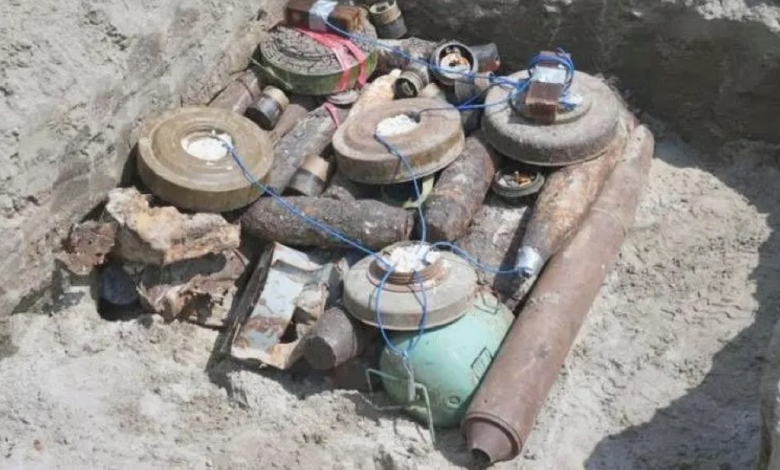
في إطار الجهود الإنسانية الرائدة التي تقودها المملكة العربية السعودية، تمكّن مشروع “مسام” لتطهير الأراضي اليمنية من الألغام، والتابع لمركز الملك سلمان للإغاثة والأعمال الإنسانية، من تحقيق إنجاز جديد يضاف إلى سجله الحافل. فقد نجحت الفرق الهندسية التابعة للمشروع في انتزاع 1,590 لغماً وذخيرة غير منفجرة خلال الأسبوع الثالث من شهر مايو الحالي، وذلك في عدة مناطق يمنية تشهد تلوثاً عالياً بمخلفات الحرب.
السياق التاريخي لأزمة الألغام في اليمن
تعود جذور أزمة الألغام في اليمن إلى النزاع المسلح الذي اندلع أواخر عام 2014، حيث شهدت البلاد زراعة عشوائية ومكثفة لمئات الآلاف من الألغام الأرضية والعبوات الناسفة في المزارع، والطرقات، والمدارس، والمناطق السكنية. هذه الممارسات التي تنتهك القوانين الدولية وحقوق الإنسان، حولت مساحات شاسعة من اليمن إلى حقول موت تهدد حياة الأبرياء يومياً. واستجابة لهذه الكارثة الإنسانية، أطلقت المملكة العربية السعودية مشروع “مسام” في منتصف عام 2018، كاستجابة طارئة تهدف إلى مساعدة الشعب اليمني على التغلب على هذه المأساة، وتأمين بيئة آمنة تتيح للمشردين العودة إلى ديارهم.
تفاصيل عمليات النزع خلال الأسبوع الثالث من مايو
توزعت حصيلة الألغام المنزوعة خلال هذا الأسبوع لتشمل أنواعاً متعددة تشكل خطراً داهماً على المدنيين، حيث شملت 113 لغماً مضاداً للدبابات، و11 لغماً مضاداً للأفراد، بالإضافة إلى 1,461 ذخيرة غير منفجرة، و5 عبوات ناسفة. وقد شملت العمليات الميدانية عدة محافظات يمنية حيوية:
- محافظات عدن والضالع والحديدة: تم نزع لغم واحد مضاد للأفراد و249 ذخيرة غير منفجرة في عدن. وفي مديرية قعطبة بالضالع، نُزع لغمان مضادان للأفراد. أما في مديرية الخوخة بالحديدة، فتم نزع لغم واحد مضاد للدبابات.
- محافظات حضرموت وحجة ولحج: شهدت مديرية المكلا بحضرموت نزع 4 ألغام مضادة للأفراد و1,002 ذخيرة غير منفجرة. وفي مديرية ميدي بمحافظة حجة، تم نزع 3 ألغام مضادة للأفراد، و107 ألغام مضادة للدبابات، و119 ذخيرة غير منفجرة، و5 عبوات ناسفة. وفي مديرية المضاربة بلحج، جرى نزع 3 ألغام مضادة للدبابات و24 ذخيرة غير منفجرة.
- محافظات مأرب وشبوة وتعز: تمكن الفريق في مديرية الوادي بمأرب من نزع 5 ذخائر غير منفجرة. وفي مديرية بيحان بشبوة، نُزع لغم واحد مضاد للأفراد. أما في تعز، فقد توزعت الجهود لتشمل نزع لغم مضاد للدبابات و22 ذخيرة غير منفجرة في المخاء، ولغم مضاد للدبابات و32 ذخيرة في ذباب، و4 ذخائر في القاهرة، و4 أخرى في صالة.
الأهمية الاستراتيجية والتأثير المتوقع
لا تقتصر أهمية مشروع “مسام” على الجانب المحلي المتمثل في حماية أرواح الأطفال والنساء وكبار السن، بل تمتد لتشمل أبعاداً إقليمية ودولية. فعلى الصعيد المحلي، يسهم تطهير الأراضي في استعادة الحركة الاقتصادية، وعودة المزارعين إلى حقولهم، وتأمين طرق الإمدادات الإغاثية. أما إقليمياً ودولياً، فإن تطهير المناطق الساحلية مثل الحديدة وحجة وتعز (المخاء وذباب) يلعب دوراً محورياً في تأمين حركة الملاحة البحرية في البحر الأحمر ومضيق باب المندب، مما يعزز من استقرار التجارة العالمية ويحد من التهديدات الإرهابية.
حصيلة ضخمة تعكس حجم المأساة والجهد المبذول
بهذه الأرقام الجديدة، يرتفع إجمالي ما تم نزعه منذ بداية شهر مايو وحتى الآن إلى 4,714 لغماً وذخيرة. والأهم من ذلك، أن إجمالي الألغام التي تم انتزاعها منذ انطلاق مشروع “مسام” وصل إلى رقم قياسي يبلغ 562,730 لغماً. هذه الأرقام المهولة تعكس حجم الكارثة التي خلفتها الزراعة العشوائية للألغام، وتؤكد في الوقت ذاته على التزام المملكة العربية السعودية الراسخ، عبر ذراعها الإنساني مركز الملك سلمان للإغاثة، بمواصلة العمل الدؤوب لتطهير كل شبر من الأراضي اليمنية، وتمكين الأشقاء اليمنيين من العيش في بيئة آمنة ومستقرة ومزدهرة.