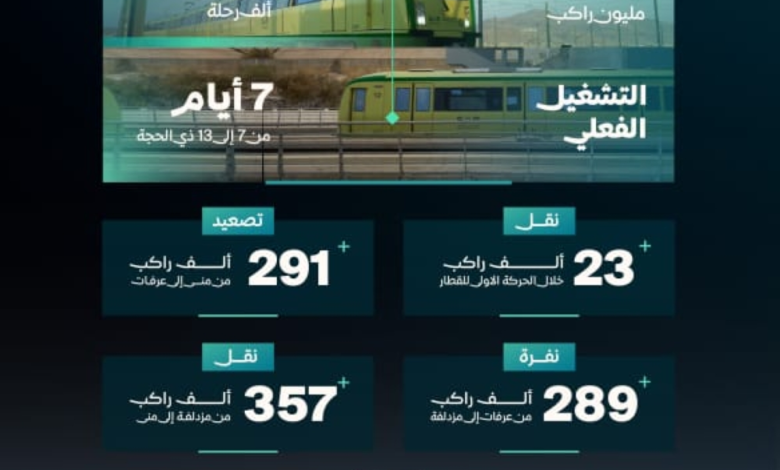

أعلنت الخطوط الحديدية السعودية “سار” عن اختتام عملياتها التشغيلية لقطار المشاعر المقدسة لموسم حج عام 1445هـ بنجاح فائق، حيث تم نقل أكثر من 1.9 مليون راكب بين محطاته التسع في مشاعر منى وعرفات ومزدلفة. وأوضحت “سار” أن هذا الإنجاز تحقق عبر تسيير 1800 رحلة على مدار سبعة أيام، مما يعكس الكفاءة التشغيلية العالية والالتزام بأعلى معايير السلامة والانسيابية في خدمة ضيوف الرحمن.
خلفية تاريخية وأهمية استراتيجية
يُعد قطار المشاعر المقدسة، الذي تم تدشينه في نوفمبر 2010، أحد أهم المشاريع الاستراتيجية التي نفذتها المملكة العربية السعودية لتطوير منظومة النقل خلال موسم الحج. جاء المشروع كحل جذري لمواجهة تحديات الازدحام المروري الشديد في منطقة المشاعر المحدودة جغرافياً، والتي تشهد تجمع ملايين الحجاج في وقت واحد. وقد صُمم القطار ليكون واحداً من أعلى خطوط المترو كثافة في العالم من حيث السعة الاستيعابية، حيث يهدف إلى استبدال عشرات الآلاف من الحافلات، مما يقلل بشكل كبير من أوقات التنقل بين المشاعر ويساهم في خفض الانبعاثات الكربونية، محافظاً على البيئة في هذه المنطقة المقدسة.
التأثير المحلي والدولي لنجاح المنظومة
على الصعيد المحلي، يبرز نجاح تشغيل قطار المشاعر المقدسة القدرات التنظيمية واللوجستية المتقدمة للمملكة في إدارة أكبر التجمعات البشرية سنوياً على مستوى العالم. ويمثل هذا المشروع ركيزة أساسية في البنية التحتية المخصصة لخدمة الحجاج، ويتناغم بشكل مباشر مع أهداف رؤية المملكة 2030 وبرنامج “خدمة ضيوف الرحمن”، اللذين يهدفان إلى إثراء التجربة الدينية للحجاج وتيسير أدائهم للمناسك. دولياً، يكتسب هذا الإنجاز أهمية كبرى، نظراً لأن موسم الحج هو حدث عالمي يجمع المسلمين من كافة أنحاء المعمورة. إن كفاءة وسلامة منظومة النقل تنعكس إيجاباً على صورة المملكة كراعية للحرمين الشريفين، وتقدم نموذجاً عالمياً رائداً في إدارة الحشود والنقل الجماعي.
تفاصيل الخطة التشغيلية لموسم الحج
شهدت خطة التشغيل لهذا العام كثافة عالية تم التعامل معها بكفاءة تامة، بدءاً من مرحلة تصعيد الحجاج إلى مشعر عرفات، مروراً بمرحلة النفرة إلى مزدلفة، ثم مرحلة الإفاضة إلى مشعر منى، وانتهاءً بتنقلات الحجاج خلال أيام التشريق باتجاه جسر الجمرات. وأكد الرئيس التنفيذي لـ”سار”، الدكتور بشار المالك، أن هذا النجاح جاء بفضل الدعم اللامحدود من القيادة الرشيدة وتكامل الجهود بين كافة الجهات الحكومية والأمنية المشاركة في خدمة الحجاج، مشيداً بدور الكوادر الوطنية المؤهلة التي أدارت هذه المنظومة المعقدة باحترافية عالية.
نظرة مستقبلية ورؤية 2030
يأتي هذا النجاح التشغيلي ليؤكد التزام “سار” بمواصلة تطوير قدراتها وتعزيز جاهزيتها لمواسم الحج القادمة، بما يخدم مستهدفات رؤية 2030 ويرفع من جودة الخدمات المقدمة لضيوف الرحمن، ويضمن تنقلهم بين المشاعر المقدسة بكل يسر وطمأنينة، لتحقيق تجربة حج آمنة وميسرة.