
Five years is the maximum period for storing goods in the Kingdom's bonded areas
In a strategic move aimed at enhancing the efficiency of the logistics sector and facilitating trade, Saudi Arabia has announced a five-year maximum storage period for goods in bonded zones. This decision is part of ongoing updates to customs and logistics regulations, aligning with the goals of Vision 2030, which seeks to transform the Kingdom into a leading global logistics hub connecting the three continents of Asia, Europe, and Africa.
General context and historical background of deposit areas
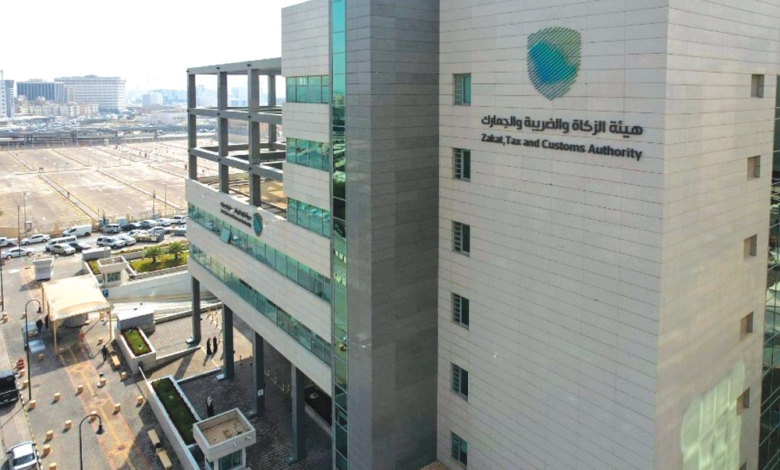
Customs bonded zones are designated areas for storing imported goods under the supervision of the Zakat, Tax and Customs Authority. Investors and traders are permitted to store their goods without paying customs duties or taxes until they are actually released into the local market or re-exported. Historically, these zones have played a vital role in facilitating international trade. However, the need arose to regulate storage periods to prevent the accumulation of unused goods for indefinite periods, which hinders the optimal utilization of available logistical infrastructure at ports and border crossings.
The importance of the decision and its expected impact at the local level
Domestically, the decision to set a five-year storage limit for goods is of paramount importance. It directly contributes to increasing the efficiency of storage space utilization in ports and logistics zones, preventing these areas from becoming long-term warehouses for stagnant goods. This regulation also encourages companies and traders to expedite supply chain cycles, which positively impacts the availability of goods in the local market and reduces the operational costs associated with extended storage. Consequently, it may contribute to stabilizing commodity prices for the end consumer and supporting the national economy.
Regional and international influence and investment promotion
Regionally and internationally, this decision enhances the Kingdom's competitiveness as a regional distribution hub. By providing a clear and flexible regulatory environment that grants foreign investors ample time—up to five years—to restructure their business plans or re-export to neighboring markets, the Kingdom becomes a more attractive destination for global companies. This regulation aligns with global best customs practices and sends a clear message to the international business community that the investment environment in Saudi Arabia is dynamic, transparent, and flexible.
Integration with the National Transport and Logistics Strategy
This decision is inextricably linked to the National Transport and Logistics Strategy, which aims to enhance customs services and develop the infrastructure of ports and special economic zones. Specifying storage periods ensures a continuous flow of goods and supports the growth of the re-export sector, a key pillar in diversifying non-oil revenue streams. Ultimately, this regulatory update represents a significant step towards achieving economic and commercial sustainability, positioning the Kingdom among the leading nations in managing global supply chains.