
إنجازات بيئية وصحية في مسالخ مكة المكرمة
في إطار الجهود المستمرة لتقديم أفضل الخدمات لضيوف الرحمن، أعلنت وزارة البيئة والمياه والزراعة بمنطقة مكة المكرمة عن إحصائيات مبشرة تعكس حجم العمل الدؤوب خلال موسم الحج. فقد سجلت مسالخ العاصمة المقدسة استفادة أكثر من 17,569 شخصاً من الخدمات المقدمة خلال الفترة من 1 إلى 7 ذو الحجة لعام 1447هـ. وتأتي هذه الأرقام لتؤكد على كفاءة الاستعدادات المبكرة التي اتخذتها الجهات المعنية لضمان سير شعيرة النسك بكل يسر وسهولة.
وقد شملت هذه الخدمات منظومة متكاملة من أعمال الكشف البيطري الدقيق، والرقابة الصحية الصارمة، والإشراف المباشر على جميع عمليات الذبح للتأكد من مطابقتها للاشتراطات المعتمدة. وتهدف هذه الإجراءات بشكل رئيسي إلى المحافظة على الصحة العامة، وضمان سلامة اللحوم وجودتها قبل وصولها للمستهلكين، إلى جانب تنظيم عمليات الاستقبال والتشغيل داخل المسالخ بما يحقق الانسيابية التامة ويرفع من مستوى رضا المستفيدين.
السياق التاريخي لتطوير خدمات المسالخ في الحج
تاريخياً، كان تنظيم ذبح الهدي والأضاحي خلال موسم الحج يشكل تحدياً لوجستياً وبيئياً كبيراً نظراً للأعداد المليونية من الحجاج الذين يتوافدون في وقت واحد ومكان واحد. في العقود الماضية، كانت عمليات الذبح العشوائي تتسبب في تراكم المخلفات وانتشار الأوبئة. ومن هذا المنطلق، أدركت حكومة المملكة العربية السعودية مبكراً أهمية مأسسة هذا العمل، فقامت بإنشاء مسالخ نموذجية مجهزة بأحدث التقنيات، وأطلقت مشاريع وطنية كبرى مثل مشروع المملكة للإفادة من الهدي والأضاحي. وقد ساهم هذا التطور التاريخي في تحويل تحدي المخلفات إلى فرصة إنسانية وبيئية رائدة على مستوى العالم.
توزيع المستفيدين على مسالخ العاصمة المقدسة
أظهرت الإحصائيات الرسمية الصادرة عن فرع الوزارة توزيعاً منظماً للمستفيدين على مختلف المسالخ المعتمدة، حيث تصدّر مسلخ جنوب مكة (أ) القائمة بخدمة 7,250 مستفيداً. وجاء في المرتبة الثانية مسلخ المعيصم الذي قدم خدماته لـ 4,453 مستفيداً. كما سجل مسلخ جنوب مكة (ب) خدمة 4,094 مستفيداً، بينما استقبل مسلخ غرب مكة 1,772 مستفيداً. يعكس هذا التوزيع الجغرافي المدروس نجاح خطط تفويج الحجاج وتوجيههم نحو المنشآت الأقل ازدحاماً لضمان سرعة الإنجاز.
التأثير المحلي والدولي لنجاح إدارة المسالخ
لا يقتصر نجاح إدارة مسالخ مكة المكرمة على التأثير المحلي المتمثل في الحفاظ على نظافة العاصمة المقدسة وحماية بيئتها من التلوث فحسب، بل يمتد تأثيره إقليمياً ودولياً. فمن خلال تطبيق أعلى معايير السلامة الغذائية، يتم ضمان خلو اللحوم من الأمراض، مما يمهد الطريق لتغليفها وتجميدها وتوزيعها على المستحقين في العديد من الدول العربية والإسلامية. هذا البعد الإنساني يعزز من مكانة المملكة الريادية في إدارة الحشود والموارد، ويقدم نموذجاً عالمياً يحتذى به في التنمية المستدامة وإدارة الأزمات البيئية.
الخطط التشغيلية لموسم حج 1447هـ
وفي سياق متصل، أكد مدير عام فرع وزارة البيئة والمياه والزراعة بمنطقة مكة المكرمة، المهندس وليد بن إبراهيم آل دغيس، أن هذه الإنجازات لم تكن لتتحقق لولا الخطط التشغيلية المحكمة المعدة لموسم حج 1447هـ. وأوضح أن هذه الخطط ترتكز بشكل أساسي على رفع مستوى الجاهزية الميدانية، وتحقيق التكامل التام بين الأعمال الرقابية والفنية، بما يواكب الأعداد المتزايدة من المستفيدين خلال أيام الذروة.
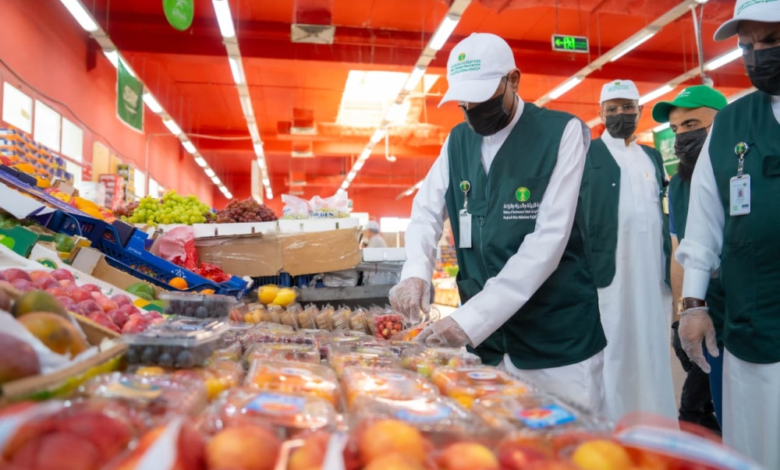
كما شدد المهندس آل دغيس على استمرار المتابعة الميدانية اليومية والمكثفة لجميع المسالخ والأسواق والمنشآت ذات العلاقة. وتأتي هذه الجولات المستمرة لضمان الالتزام التام بالاشتراطات الصحية والبيئية، وتحقيق أعلى معايير السلامة الغذائية، حرصاً على سلامة ضيوف الرحمن وسكان العاصمة المقدسة، وتوفير بيئة صحية آمنة تليق بقدسية الزمان والمكان.