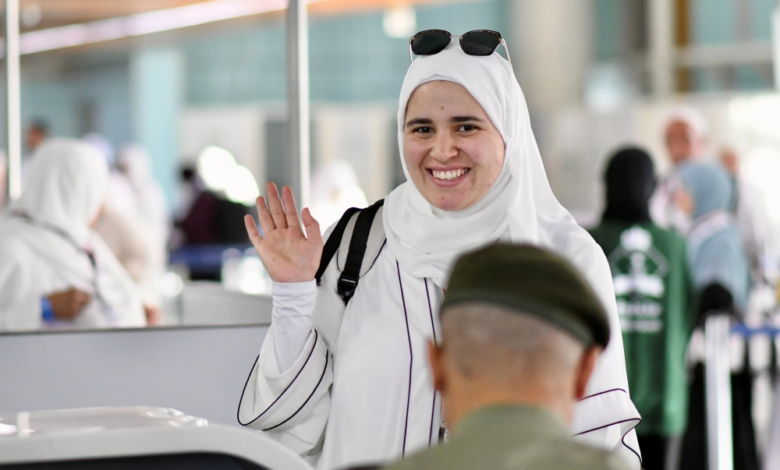

في أجواء إيمانية ومع انطلاق موسم الحج لعام 1445هـ، استقبل مطار الأمير محمد بن عبدالعزيز الدولي في المدينة المنورة أولى رحلات ضيوف الرحمن القادمين من جمهورية مصر العربية، إيذاناً ببدء توافد الحجاج من مختلف أنحاء العالم إلى الأراضي المقدسة لأداء الركن الخامس من أركان الإسلام.
وقد حظي الفوج الأول من الحجاج المصريين باستقبال حافل، حيث تم إنهاء إجراءات وصولهم بيسر وسهولة، مما يعكس حجم الاستعدادات والتجهيزات التي اتخذتها المملكة العربية السعودية لضمان راحة وسلامة الحجاج منذ لحظة وصولهم.
خلفية تاريخية وأهمية روحانية
يُعد وصول طلائع الحجاج إلى المدينة المنورة حدثاً سنوياً يترقبه العالم الإسلامي، حيث يفضل الكثير من الحجاج بدء رحلتهم الإيمانية بزيارة مدينة الرسول صلى الله عليه وسلم. وتكتسب هذه الزيارة أهمية روحانية كبرى، إذ يتشوق المسلمون للصلاة في المسجد النبوي الشريف وزيارة الروضة الشريفة والسلام على النبي وصاحبيه، قبل التوجه إلى مكة المكرمة للبدء في مناسك الحج. وتاريخياً، كانت رحلة الحج شاقة وطويلة، أما اليوم فقد أصبحت بفضل التطورات الهائلة في النقل والخدمات اللوجستية رحلة ميسرة ومنظمة.
استعدادات متكاملة وتسهيلات غير مسبوقة
أكدت المديرية العامة للجوازات جاهزيتها الكاملة لاستقبال حجاج بيت الله الحرام لموسم حج هذا العام، مشيرة إلى تسخير كافة إمكاناتها لدعم منصاتها في المنافذ الدولية (الجوية، البرية، والبحرية) بأحدث الأجهزة التقنية. ويعمل على هذه الأجهزة كوادر بشرية مؤهلة تتحدث لغات متعددة لتسهيل التواصل مع ضيوف الرحمن القادمين من ثقافات مختلفة. وتأتي هذه الجهود ضمن منظومة خدمات متكاملة تشرف عليها وزارة الحج والعمرة والعديد من الجهات الحكومية الأخرى، بهدف تحقيق أعلى معايير الجودة في خدمة الحجاج، تماشياً مع مستهدفات رؤية المملكة 2030 التي تولي اهتماماً بالغاً بتيسير رحلة الحج والعمرة.
الأهمية الإقليمية والدولية للحدث
يمثل وصول الحجاج المصريين، الذين يعدون من بين أكبر أعداد الحجاج سنوياً، بداية لموسم يشهد أكبر تجمع إسلامي في العالم. ويعزز هذا الحدث الروابط الأخوية بين المملكة العربية السعودية ومصر، ويعكس عمق العلاقات التاريخية بين البلدين. على الصعيد الدولي، يُبرز نجاح المملكة في تنظيم وإدارة هذه الحشود المليونية قدرتها اللوجستية والأمنية الفائقة، ويرسل رسالة سلام وتآخٍ من قلب العالم الإسلامي إلى البشرية جمعاء، حيث يجتمع المسلمون على اختلاف ألوانهم وأعراقهم في مكان واحد لهدف واحد، وهو عبادة الله تعالى.