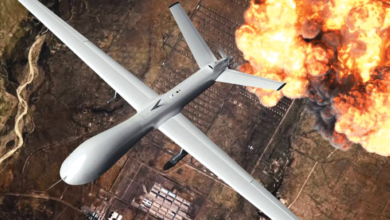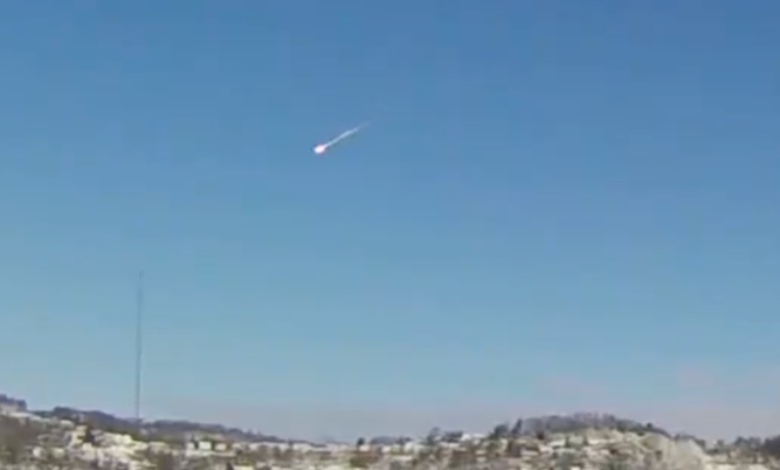

شهد سكان شمال شرق الولايات المتحدة يوم السبت ظاهرة فلكية نادرة ومثيرة للذعر، حيث انفجر نيزك ساطع في الغلاف الجوي، محدثًا دويًا هائلاً تردد صداه في ولايتي ماساتشوستس ونيو هامبشير. وأكدت وكالة الفضاء الأمريكية (ناسا) الحدث، مقدرةً أن قوة الانفجار تعادل ما يقرب من 300 طن من مادة “تي إن تي” شديدة الانفجار، مما يفسر الصوت المدوي الذي هز النوافذ وأثار قلق السكان المحليين.
تفاصيل الظاهرة الفلكية وسياقها العلمي
أوضحت ناسا أن الجسم الفضائي، وهو عبارة عن نيزك صغير، دخل الغلاف الجوي للأرض بسرعة فائقة بلغت أكثر من 120 ألف كيلومتر في الساعة. ونتيجة للاحتكاك الهائل مع جزيئات الهواء على ارتفاع يقدر بنحو 64 كيلومترًا، تعرض النيزك لضغط وحرارة شديدين، مما أدى إلى تفككه وانفجاره في الجو في ظاهرة تُعرف باسم “الانفجار الهوائي” (Airburst). هذا الانفجار هو ما ولّد موجة الصدمة التي وصلت إلى الأرض على شكل دوي صوتي عنيف، والذي أبلغ عنه العديد من شهود العيان عبر وسائل التواصل الاجتماعي، واصفين إياه بأنه تسبب في اهتزاز منازلهم.
أهمية الحدث في سياق الدفاع الكوكبي
تُعد هذه الأحداث، على الرغم من أنها قد تكون مخيفة على المستوى المحلي، ذات أهمية علمية كبيرة. فهي تذكرنا بأن كوكب الأرض يتعرض باستمرار لوابل من الأجسام الفضائية، معظمها صغير جدًا ويحترق في الغلاف الجوي دون أن يلاحظه أحد. ومع ذلك، فإن مراقبة هذه الظواهر تساعد العلماء على فهم طبيعة وتكوين النيازك، وتحسين نماذج التنبؤ بمسارات الأجسام القريبة من الأرض (NEOs).</nتأتي هذه الحادثة في سياق جهود دولية متزايدة لرصد السماء، تقودها وكالات مثل ناسا من خلال "مكتب تنسيق الدفاع الكوكبي". ففي حين أن نيزك السبت كان صغيرًا نسبيًا، إلا أن أحداثًا تاريخية مثل انفجار نيزك تشيليابينسك في روسيا عام 2013، والذي كان أكبر بكثير وتسبب في آلاف الإصابات وأضرار مادية واسعة، تؤكد على الأهمية القصوى لبرامج الرصد المبكر لحماية الكوكب من التهديدات الفضائية المحتملة.
تأكيدات ناسا وردود الفعل المحلية
أكدت جينيفر دورين، المسؤولة في ناسا، أن الكرة النارية التي شوهدت لم تكن مرتبطة بأي من زخات الشهب المعروفة حاليًا، كما أنها ليست من مخلفات الأقمار الصناعية أو الحطام الفضائي العائد إلى الأرض، بل كانت ظاهرة طبيعية بالكامل. وقد أثار الحدث موجة من الفضول والنقاشات على المنصات الرقمية، حيث تبادل الناس مقاطع الفيديو والتسجيلات الصوتية للظاهرة، محاولين فهم طبيعة ما حدث. وعلى الرغم من حالة الذعر الأولية، لم يتم الإبلاغ عن أي أضرار مادية أو إصابات، مما حول الحدث إلى ظاهرة طبيعية مذهلة وفرصة للتوعية بعلوم الفضاء.