
جاهزية قصوى في قلب المشاعر المقدسة
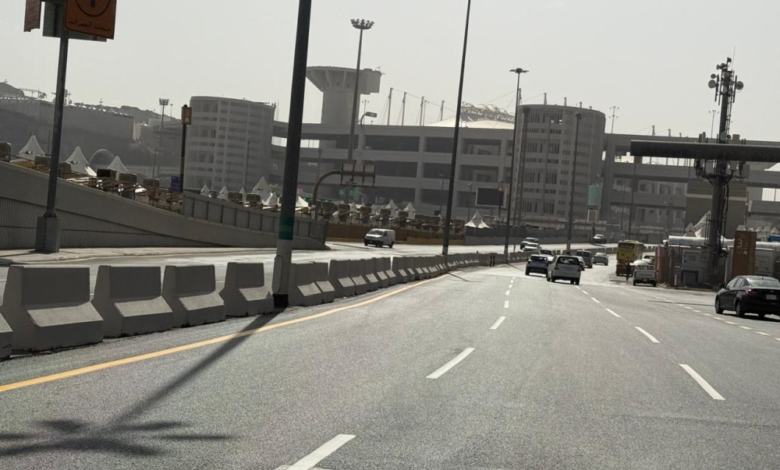
مع اقتراب توافد حجاج بيت الله الحرام، تتجه الأنظار إلى مشعر منى، القلب النابض لموسم الحج، الذي أكمل استعداداته لاستقبال الملايين من ضيوف الرحمن. وقد تحولت سفوح منى وجبالها إلى مدينة بيضاء مترامية الأطراف، تضم آلاف الخيام المجهزة وفق أعلى معايير السلامة والراحة، في مشهد يعكس حجم الجهود التي تبذلها المملكة العربية السعودية لخدمة الحجيج.
وتعمل مختلف الجهات الحكومية والخاصة كخلية نحل ضمن منظومة متكاملة لضمان تقديم أفضل الخدمات. وقد تم الانتهاء من تجهيز المخيمات التي تمتد على مساحة تقدر بـ 2.5 مليون متر مربع، وتزويدها بكافة الخدمات الأساسية من شبكات كهرباء ومياه وصرف صحي، بالإضافة إلى أنظمة تكييف حديثة للتخفيف من وطأة حرارة الطقس، وتوفير وسائل السلامة المتقدمة وأنظمة إطفاء الحرائق لضمان بيئة آمنة ومريحة للحجاج طوال فترة إقامتهم.
منى: تاريخ عريق ومكانة دينية عظيمة
يحمل مشعر منى مكانة تاريخية ودينية عظيمة في رحلة الحج، فهو المكان الذي يقضي فيه الحجاج يوم التروية (الثامن من ذي الحجة) وأيام التشريق (الحادي عشر والثاني عشر والثالث عشر من ذي الحجة). وفي منى، يقوم الحجاج بأداء نسك رمي الجمرات، وهو أحد أركان الحج الأساسية، اقتداءً بسنة النبي إبراهيم عليه السلام. وتعتبر الإقامة في منى جزءاً لا يتجزأ من مناسك الحج، حيث تتيح للحجاج فرصة للتفرغ للعبادة والذكر والدعاء في أجواء روحانية فريدة. وعلى مر العصور، شهد مشعر منى تطوراً هائلاً في بنيته التحتية، ليتحول من وادٍ صحراوي إلى أكبر مدينة خيام في العالم، مجهزة لاستيعاب الأعداد المليونية المتزايدة من الحجاج سنوياً.
تأثير وأهمية موسم الحج على مختلف الأصعدة
تتجاوز أهمية تجهيز مشعر منى الجانب الخدمي لتشمل أبعاداً استراتيجية واقتصادية ودولية. فعلى الصعيد المحلي، يمثل نجاح تنظيم الحج شهادة على القدرات الإدارية واللوجستية للمملكة، ويعزز من مكانتها كقائدة للعالم الإسلامي. كما يساهم الموسم في تنشيط الحركة الاقتصادية في مكة المكرمة والمناطق المجاورة، ويوفر آلاف الفرص الوظيفية الموسمية للمواطنين.
أما على الصعيدين الإقليمي والدولي، فإن الحج يعد أكبر تجمع إسلامي سنوي، حيث يلتقي فيه المسلمون من مختلف أنحاء العالم، مما يعزز أواصر الأخوة والوحدة الإسلامية. ويعكس نجاح المملكة في إدارة هذه الحشود الضخمة وتأمين سلامتها وراحتها، صورتها كدولة مسؤولة تضع خدمة الحرمين الشريفين وقاصديهما في مقدمة أولوياتها، وهو ما يكتسب أهمية بالغة في ظل التحديات العالمية الراهنة.
تكامل الجهود لخدمة ضيوف الرحمن
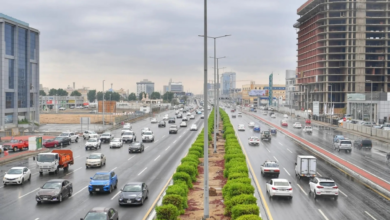
لا تقتصر الجهود على تجهيز الخيام فحسب، بل تشمل تطوير شبكة الطرق والممرات والأنفاق المؤدية إلى منى ومنشأة الجمرات، وتوفير أسطول متكامل من وسائل النقل الحديثة مثل قطار المشاعر لتسهيل حركة الحجاج بين منى وعرفات ومزدلفة. كما تم تجهيز مئات المراكز الصحية والعيادات المتنقلة وفرق الإسعاف لتقديم الرعاية الطبية الفورية على مدار الساعة. وتتكامل هذه الجهود مع خطط أمنية دقيقة وخدمات لوجستية متطورة لضمان انسيابية الحركة وسلامة الحجاج، لتمكينهم من أداء مناسكهم بكل يسر وطمأنينة.