Morocco's complaint against Senegal: Details of the 2025 Africa Cup of Nations final crisis

On a night of football that held the breath of the African continent, the whistle of Congolese referee Jean-Jacques Ndala was not just an announcement of the end of a football match, but the beginning of a new chapter of legal and sporting controversy that overshadowed the 2025 Africa Cup of Nations final. Just hours after the curtain fell on the fiery encounter held at the Prince Moulay Abdellah Stadium in the Moroccan capital, Rabat, the Moroccan Football Federation (FRMF) announced an official and legal move with the Confederation of African Football (CAF) and the International Federation of Football Associations (FIFA), objecting to the dramatic events that took place in the final minutes of the match.
Details of the crisis and temporary withdrawal
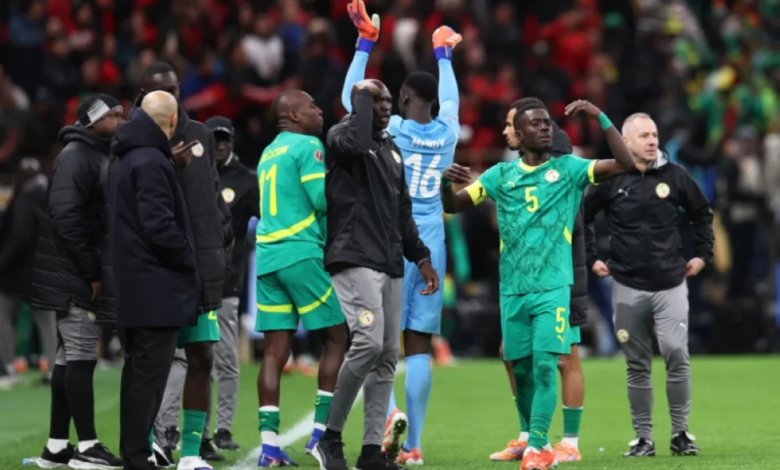
The match, which ended with Senegal winning their second continental title thanks to a last-gasp goal in extra time, witnessed a dramatic turn of events in stoppage time. After the referee disallowed a Senegalese goal, he then awarded a penalty to Morocco, a decision that sparked outrage among the "Lions of Teranga." This protest went beyond mere verbal objections, escalating to the walkout of several Senegalese players from the pitch – a rare occurrence in the finals of major continental tournaments.
According to official statements from the Royal Moroccan Football Federation, this withdrawal, although temporary, fundamentally violated the principle of equal opportunity and negatively impacted the Moroccan national team players' mental focus at a crucial moment. The Federation believes that the prolonged suspension of play and the opponent's unsportsmanlike conduct necessitate decisive intervention from the disciplinary and legal committees to ensure the integrity of the competition.
Context of the event and the importance of the championship
This complaint gains significance from the overall context of the tournament, as Morocco hosted the 2025 edition amidst international praise for the quality of its organization and infrastructure, making the final a global spectacle. These events have reignited the debate surrounding the discipline of the continent's major teams, especially since Senegal entered the match as the defending champions (2021 edition) and sought to solidify their dominance, while Morocco aimed to capitalize on home advantage and a passionate crowd to finally claim the African title, which had eluded them since 1976.
Resorting to FIFA and CAF is not just about the outcome of a match; it touches the reputation of African football, which strives to present a professional image comparable to European and international leagues. Withdrawing from the field, even for a few minutes, is considered by FIFA regulations to be conduct that warrants accountability, due to its direct impact on the psychology of the match and the referees' decisions.
The game returns, but the dream is lost
Returning to the match itself, after a stoppage of several minutes and the intervention of star player Sadio Mane to persuade his teammates to resume play, the game restarted amidst a tense atmosphere. Unfortunately for the home side, Ibrahim Diaz missed the penalty that would have secured the title, forcing the match into extra time. During this period, Pape Gueye scored the winning goal for Senegal, securing the coveted trophy for his country.
For its part, the Confederation of African Football (CAF) preemptively condemned the unsportsmanlike conduct that marred the final, confirming its intention to review all footage and official reports. As the battle shifts from the pitch to the courts, the Royal Moroccan Football Federation expressed its gratitude to the large crowds who created a magnificent display of sportsmanship, reaffirming its commitment to defending the national team's rights within the legal framework, ultimately leaving the final decision to the regulations governing the game.