The Gulf Cooperation Council condemns the Iranian attack on Al-Kharj: Details of the statement

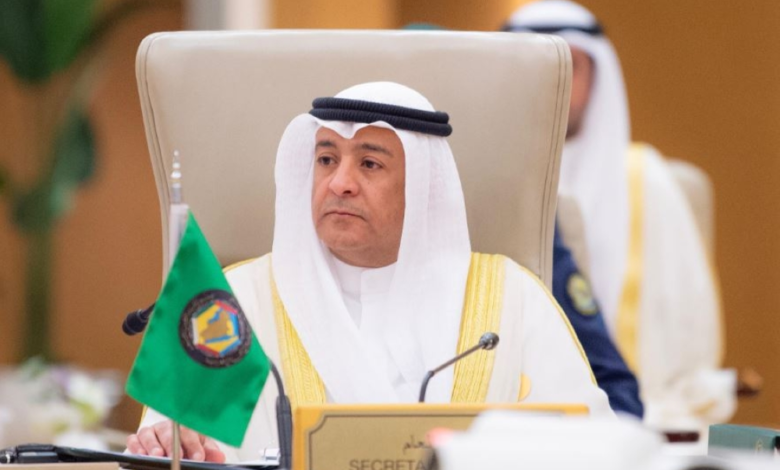
The Secretary-General of the Gulf Cooperation Council (GCC), Jassim bin Mohammed Al-Budaiwi, expressed the Council's strong condemnation of the brutal Iranian attack that targeted a residential facility in Al-Kharj Governorate, Saudi Arabia. This hostile act resulted in two deaths and injuries to 12 residents, an incident that sparked widespread regional and international outrage.
Details of the condemnation and the unified Gulf position
In a strongly worded official statement, Al-Badawi affirmed that this criminal attack not only constitutes a violation of sovereignty but also a flagrant breach of all international laws and norms, particularly those pertaining to the protection of civilians in times of peace and war. The Secretary-General noted that targeting civilian infrastructure and residential buildings is entirely contrary to the principles of international humanitarian law and reflects an escalating approach that threatens security and stability in the region.
Al-Badawi emphasized the unwavering and steadfast position of the Gulf Cooperation Council (GCC) states in standing united with the Kingdom of Saudi Arabia. He affirmed their complete solidarity with all measures taken by the Kingdom to protect its security, stability, territorial integrity, and the safety of its citizens and residents, noting that the security of the GCC states is indivisible and that any attack on one member state is an attack on the entire Gulf Cooperation Council.
The legal and humanitarian context of the attack
Legally, targeting populated areas and civilian infrastructure constitutes a war crime under the Geneva Conventions and their Additional Protocols. The direct endangerment of civilian lives, as witnessed in Al-Kharj Governorate, necessitates decisive international action to hold those responsible for these hostile acts accountable. This statement from the GCC Secretariat underscores the international community's responsibility to condemn these practices, which undermine peace efforts and destabilize energy supplies and the global economy.
The importance of regional stability and the repercussions of escalation
This condemnation is particularly significant given the current circumstances in the region, where the GCC states are striving to bolster development and economic prosperity. Such Iranian attacks not only target physical infrastructure but also attempt to undermine the stability that is the cornerstone of growth in the Arabian Gulf. Observers believe that the recurrence of such incidents necessitates a unified international stance to deter any transgressions that could drag the region into further, undesirable tensions.
The Secretary-General concluded his statement by reiterating the Council’s categorical rejection of all acts of aggression that affect the security of the GCC countries or target their vital facilities, asking God for mercy for the deceased and a speedy recovery for the injured, and praying to God to protect the Kingdom and its people from all harm.