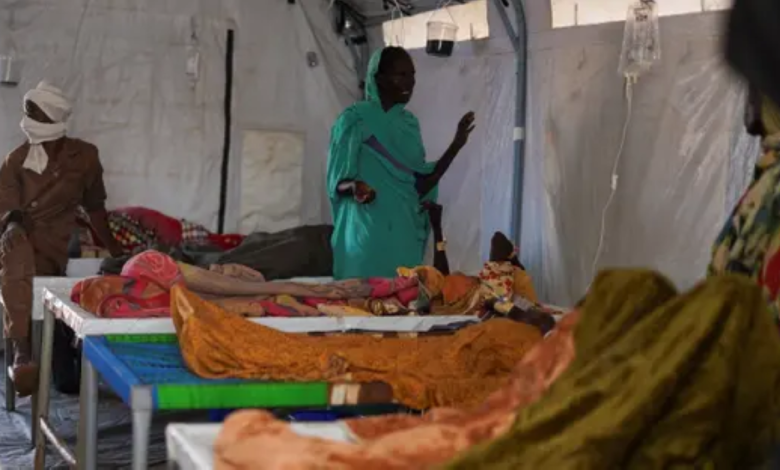

Health authorities in Namibia have officially announced a worrying surge in cholera cases, with 22 new infections confirmed in the Otjozondjuba district in the north-central part of the country. This announcement raises serious concerns about the health situation in the region, prompting calls for a swift response from relevant authorities to contain the outbreak before it worsens.
Details of the current epidemiological situation
In recent press statements, the regional health director, Gerbardo Timothys, explained the details of the laboratory results that were recently conducted. He indicated that medical teams collected and tested 83 samples from suspected cases, with 22 samples testing positive for cholera and 40 testing negative. Authorities are still awaiting the results of the remaining samples to determine the true extent of the outbreak.
Background of the event and hotspots
This outbreak is not entirely isolated. At the end of last year, the Namibian Ministry of Health reported three confirmed cases in the city of Grootfontein. This city is particularly significant as it is one of the most densely populated urban centers in the Otjozondjuba region, with a population of approximately 30,000. This high population density raises concerns among experts about the ease with which the infection can spread through water or food sources if the situation is not addressed quickly.
The context of the disease and public health challenges
Cholera is an acute bacterial infection of the intestines, usually transmitted through water or food contaminated with the cholera bacterium. Although Namibia has better infrastructure than some of its neighbors, outbreaks of waterborne diseases remain a challenge, particularly in densely populated areas or those with temporary problems with sanitation and clean water systems.
Expected impact and efforts
Locally, medical personnel have mobilized to isolate infected individuals and provide necessary treatment, including rehydration and antibiotics, to prevent fatalities. Regionally, health organizations in Southern Africa are closely monitoring the situation, as countries in the region are frequently affected by cross-border outbreaks. Namibian authorities are currently intensifying public health awareness campaigns, emphasizing the importance of boiling water and maintaining personal hygiene as a first line of defense against the spread of the disease, in accordance with international protocols adopted by the World Health Organization for epidemic control.