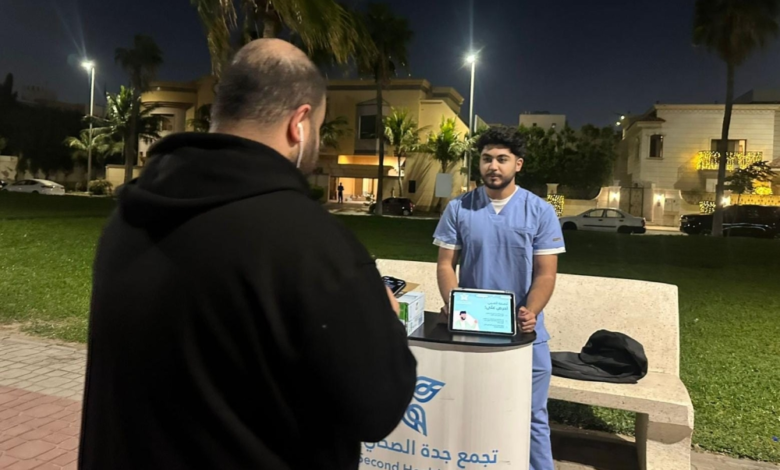

انطلاق حملة الكشف المبكر عن المياه الزرقاء في جدة
نظم مجمع الملك عبدالله الطبي في جدة، التابع لتجمع جدة الصحي الثاني، فعالية توعوية كبرى تهدف إلى تعزيز الوعي الصحي حول أمراض العيون. ركزت هذه المبادرة الميدانية على حملة للكشف المبكر عن المياه الزرقاء (الجلوكوما)، مستهدفة نحو 1000 زائر في ممشى الأمير فيصل بن فهد الرياضي بمدينة جدة. وتأتي هذه الخطوة الاستراتيجية ضمن الجهود الوطنية الرامية إلى رفع مستوى الثقافة الصحية لدى المواطنين والمقيمين، وتسليط الضوء على مخاطر هذا المرض الصامت الذي يهدد حاسة البصر.
السياق العالمي والمحلي لمرض الجلوكوما
تكتسب حملة الكشف المبكر عن المياه الزرقاء أهمية كبرى بالنظر إلى السياق العالمي للمرض. تُعرف المياه الزرقاء أو “الجلوكوما” طبياً بأنها مجموعة من أمراض العيون التي تتسبب في تلف تدريجي للعصب البصري، وهو العصب المسؤول عن نقل المعلومات البصرية من العين إلى الدماغ. وغالباً ما يرتبط هذا التلف بارتفاع ضغط العين الداخلي. ووفقاً لتقارير منظمة الصحة العالمية، يُعد مرض الجلوكوما السبب الرئيسي الثاني للعمى وفقدان البصر على مستوى العالم. وما يجعل هذا المرض بالغ الخطورة هو طبيعته الصامتة؛ حيث يتطور ببطء شديد دون أن يسبب أي ألم أو أعراض ملحوظة في مراحله الأولى، مما يجعل التشخيص المبكر هو خط الدفاع الأول والوحيد لتجنب مضاعفاته الكارثية.
الأسبوع العالمي للجلوكوما وأهمية الفعالية
تزامنت هذه الفعالية التوعوية في جدة مع انطلاق الأسبوع العالمي للجلوكوما، والذي يُقام سنوياً في الفترة من 9 إلى 15 مارس. يهدف هذا الأسبوع العالمي إلى حث المجتمعات الدولية والمحلية على مكافحة مسببات العمى. على المستوى المحلي، تعكس هذه الحملة التزام القطاع الصحي في المملكة العربية السعودية بتحقيق مستهدفات رؤية 2030، والتي تضع “الوقاية قبل العلاج” وتعزيز جودة الحياة في صدارة أولوياتها. من خلال التواجد في أماكن التجمعات العامة مثل ممشى الفيصل، يضمن المنظمون وصول الرسالة التثقيفية إلى أكبر شريحة ممكنة من المجتمع، مما يسهم في خفض معدلات فقدان البصر الناتج عن التأخر في تشخيص حالات ارتفاع ضغط العين.
حقائق طبية حول مخاطر الإصابة الصامتة
خلال النشاط الميداني، حرصت الفرق الطبية المتخصصة على تقديم رسائل تثقيفية مباشرة للزوار، مؤكدين على مجموعة من الحقائق الطبية الهامة. من أبرز هذه الحقائق أن جميع الفئات العمرية، بدءاً من الأطفال وحتى كبار السن، معرضون لخطر الإصابة بالمياه الزرقاء، وإن كانت النسبة تزداد بشكل ملحوظ لدى من تتجاوز أعمارهم الأربعين عاماً، أو من لديهم تاريخ عائلي للمرض، أو المصابين بأمراض مزمنة مثل السكري. يبدأ المرض عادة بالتأثير على الرؤية المحيطية أو الجانبية أولاً، ولأن الدماغ يعوض هذا النقص في البداية، لا يشعر المريض بأي تغيير حتى يصل التلف إلى مراحل متقدمة تؤثر على الرؤية المركزية.
طرق الوقاية وأهمية الفحص الدوري
في الختام، شدد الأطباء والمختصون المشاركون في الحملة على ضرورة الالتزام بإجراء الفحوصات الدورية الشاملة للعين والعصب البصري، كإجراء وقائي أساسي. إن الالتزام بالخطة العلاجية في المراحل الأولى من اكتشاف المرض يساهم بشكل مباشر وفعال في استقرار الحالة وحماية البصر من التدهور. تمثل هذه المبادرة في جدة نموذجاً يُحتذى به في كيفية نقل الرعاية الصحية التوعوية من أروقة المستشفيات إلى قلب المجتمع، مما يعزز من نشر الثقافة الوقائية ويحمي الأجيال القادمة من مخاطر الإصابة.