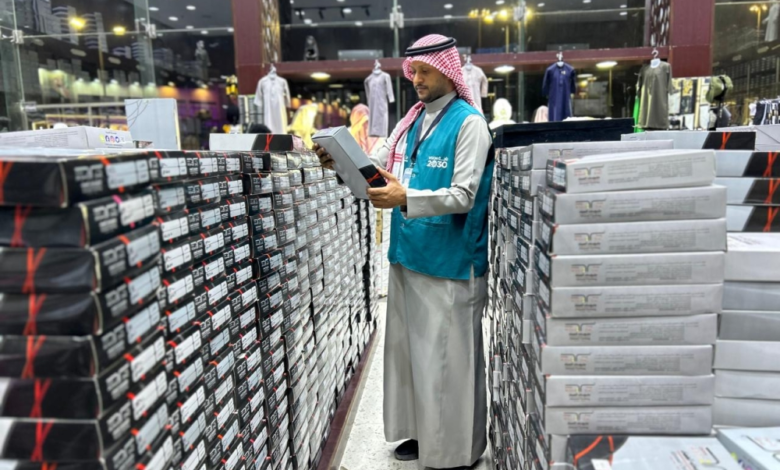

في خطوة استراتيجية تعكس التزام المملكة العربية السعودية بتطوير بيئة العمل المؤسسي ودعم القطاع الخاص، أطلق المركز الوطني للتفتيش والرقابة سياسة وطنية جديدة تهدف إلى حوكمة وتنظيم حملات التفتيش في جميع أنحاء المملكة. تأتي هذه الخطوة استجابةً للحاجة الملحة للحد من الازدواجية وتداخل الصلاحيات بين مختلف الجهات الرقابية، مما يسهم في رفع كفاءة الأعمال الميدانية وتقليل العبء على المنشآت التجارية.
السياق التاريخي ورؤية المملكة 2030
تاريخياً، كانت المنشآت التجارية والاقتصادية في المملكة تواجه تحديات تتمثل في تعدد الزيارات التفتيشية من جهات حكومية مختلفة في أوقات متقاربة، مما كان يؤدي إلى إرباك سير العمل وازدواجية في تطبيق المعايير. ومع انطلاق رؤية السعودية 2030، برزت الحاجة الماسة لتحسين بيئة الأعمال وتسهيل الإجراءات الحكومية. وفي هذا السياق، جاء تأسيس المركز الوطني للتفتيش والرقابة ليكون المظلة الموحدة التي تضمن تكامل الجهود. وتستند السياسة الجديدة بشكل مباشر إلى قرار مجلس الوزراء رقم 277، والذي يهدف إلى توحيد والإشراف على أعمال الرقابة والتفتيش على المستوى الوطني وفق أفضل الممارسات والمعايير الدولية للشفافية.
مبادئ توجيهية صارمة لضمان الكفاءة
أوضح المركز أن النطاق الإلزامي لهذه السياسة يسري على جميع الحملات التي تنفذها الجهات الرقابية أو تسندها لجهات أخرى، سواء نُفذت بشكل مستقل أو عبر شراكات. ولضمان تحقيق الأهداف المرجوة، ألزم المركز الجهات الرقابية بثلاثة مبادئ توجيهية صارمة:
- مبدأ التبرير والتناسب: التأكد من أن الحملة التفتيشية ضرورية وتتناسب مع حجم المخاطر المحتملة.
- التخطيط القائم على النتائج: وضع أهداف واضحة وقابلة للقياس لكل حملة ميدانية.
- الحوكمة النموذجية: تنفيذ الحملات بوضوح تام في الصلاحيات وآليات التصعيد المعتمدة.
كما شدد المركز على أن إطلاق الحملات يجب أن يستند إلى دوافع موثوقة، مثل التغيرات الموسمية (مواسم الحج والعمرة والأعياد)، أو مؤشرات مبنية على ارتفاع معدلات الحوادث والشكاوى، محذراً من استخدام الحملات الشاملة كبديل عن التفتيش الدوري إلا في حالات الضرورة القصوى.
ميثاق التفتيش والتعامل مع الطوارئ
من أبرز ملامح السياسة الجديدة إلزامية إعداد واعتماد «ميثاق حملة التفتيش والرقابة» قبل بدء التنفيذ. يجب أن يتضمن هذا الميثاق الأهداف الرئيسة، النطاق الجغرافي، وتواريخ البدء والإغلاق، مع مشاركة هذه البيانات مسبقاً مع المركز. وفيما يخص الحالات الطارئة التي تنطوي على «مخاطر جسيمة»، سمح النظام للجهات الرقابية بإطلاق حملات فورية استجابة للحدث، شريطة تنسيق ميثاقها بالتوازي مع المركز والجهات المعنية.
التأثير المتوقع: محلياً وإقليمياً ودولياً
على المستوى المحلي، ستؤدي هذه السياسة إلى خلق بيئة استثمارية أكثر استقراراً وشفافية، حيث ستتمكن الشركات من التركيز على نموها وإنتاجيتها دون القلق من التداخل الرقابي. أما على المستوى الإقليمي والدولي، فإن تطبيق هذه المعايير المتقدمة يعزز من تنافسية الاقتصاد السعودي، ويرفع من تصنيف المملكة في مؤشرات سهولة ممارسة الأعمال العالمية. هذا التطور التنظيمي يبعث برسالة طمأنة قوية للمستثمرين الأجانب، مؤكداً أن السوق السعودي يعمل وفق آليات رقابية حديثة، عادلة، ومستدامة.
واختتم المركز توجيهاته بإلزام الجهات بتقديم تقارير دورية ونهائية لتقييم الأثر الميداني فور إغلاق الحملات، وتوثيق الدروس المستفادة لتحديث منهجيات الرقابة وتطوير آليات التفتيش بشكل مستدام في المملكة.