
مقدمة عن المنصة الوطنية للإنذار المبكر
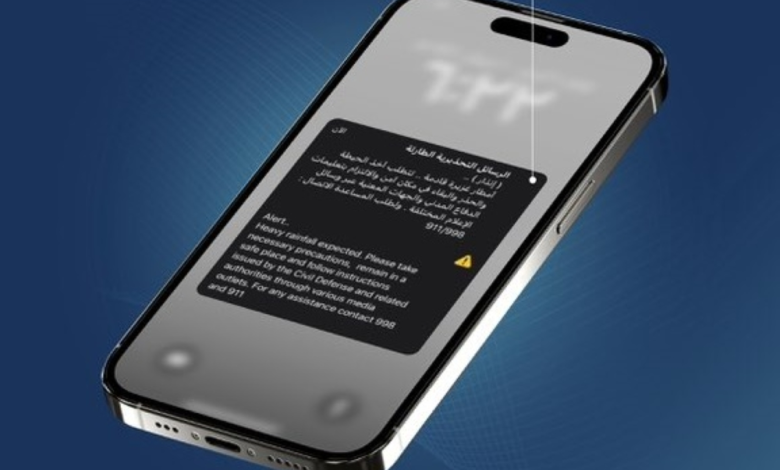
أوضحت المديرية العامة للدفاع المدني في المملكة العربية السعودية تفاصيل هامة حول كيفية التعامل مع التحذيرات، وذلك بعد إطلاق إنذار من المنصة الوطنية للإنذار المبكر في حالات الطوارئ في المنطقة الشرقية للتحذير من خطر محتمل. وتأتي هذه الخطوة في إطار حرص الجهات المعنية على سلامة المواطنين والمقيمين، وضمان اتخاذ الإجراءات الاحترازية اللازمة في الوقت المناسب لحماية الأرواح والممتلكات.
السياق العام والخلفية التاريخية للمنصة
يعود السياق العام والخلفية التاريخية لتأسيس المنصة الوطنية للإنذار المبكر إلى جهود المملكة المستمرة ضمن رؤية السعودية 2030 لتعزيز جودة الحياة ورفع مستوى السلامة العامة. تم تطوير هذه المنصة بالتعاون الاستراتيجي بين المديرية العامة للدفاع المدني وهيئة الاتصالات والفضاء والتقنية، وتعتمد على تقنية البث الخلوي (Cell Broadcast Service). تتيح هذه التقنية المتقدمة إرسال رسائل تحذيرية فورية وموثوقة ومصحوبة بنغمة صوتية مميزة إلى جميع الهواتف الذكية المتواجدة في منطقة جغرافية محددة خلال ثوانٍ معدودة، وذلك دون الحاجة إلى اتصال بشبكة الإنترنت، مما يضمن وصول التنبيهات حتى في أوقات الذروة أو انقطاع الشبكات التقليدية.
أهم إرشادات التعامل مع رسائل الإنذار المبكر
في حالة استقبال رسائل تحذيرية من المنصة الوطنية للإنذار المبكر في حالات الطوارئ، شدد الدفاع المدني على ضرورة اتباع الإرشادات التالية بدقة لضمان السلامة:
- الالتزام بالهدوء: حافظ على هدوئك وتجنب الذعر، مع اتباع التعليمات الرسمية الصادرة عن الجهات المختصة.
- البحث عن مأوى: توجه فوراً إلى أقرب مكان آمن داخل مبنى أو غرفة داخلية، مع الحرص على البقاء بعيداً عن النوافذ والأبواب الزجاجية، والبقاء هناك حتى زوال الخطر.
- البقاء في الداخل: عدم الخروج من المنزل أو المبنى الذي تحتمي فيه حتى يتم الإعلان رسمياً عن زوال الخطر.
- تجنب الأماكن المكشوفة: الابتعاد تماماً عن الأماكن المكشوفة والزجاج، وتجنب الوقوف في الشرفات أو على الأسطح.
- الاحتماء الخارجي: إذا كنت متواجداً في الخارج عند وصول الإنذار، يجب عليك الدخول إلى أقرب مبنى آمن، أو الاحتماء خلف ساتر صلب يحميك من أي أخطار.
- منع التجمهر: تجنب التجمهر والتصوير نهائياً في مواقع الحوادث، والابتعاد عن المواقع الخطرة لتسهيل عمل فرق الطوارئ والإنقاذ.
- إرشادات القيادة: عند وصول رسالة التحذير وأنت تقود مركبتك، بادر بالتوقف الفوري على جانب الطريق في مكان آمن، بعيداً عن الجسور والأنفاق والمباني الشاهقة.
- أرقام الطوارئ: عند ملاحظة أي خطر يهدد السلامة، يجب الاتصال برقم الطوارئ الموحد (911) في مناطق مكة المكرمة، المدينة المنورة، الرياض، والشرقية، أو الرقم (998) في بقية مناطق المملكة.
- المصادر الرسمية: استقاء المعلومات وأخذ التعليمات فقط من الجهات المختصة عبر قنواتها الرسمية المعتمدة.
أهمية الحدث وتأثيره المتوقع على السلامة العامة
تبرز أهمية هذا الحدث وتأثيره المتوقع على عدة مستويات. محلياً، تساهم المنصة في رفع مستوى الوعي المجتمعي وتقليل الخسائر البشرية والمادية الناتجة عن الكوارث الطبيعية مثل السيول والأمطار الغزيرة أو الحوادث الطارئة. إقليمياً ودولياً، يعزز هذا النظام المتقدم من مكانة المملكة العربية السعودية كدولة رائدة في مجال إدارة الأزمات والكوارث، حيث يتوافق مع أفضل الممارسات العالمية والمعايير التي وضعتها المنظمات الدولية مثل الاتحاد الدولي للاتصالات (ITU) ومكتب الأمم المتحدة للحد من مخاطر الكوارث (UNDRR).
الإجراءات بعد زوال الخطر
وفي ختام الحدث الأخير، أعلن الدفاع المدني عن زوال الخطر عن المنطقة الشرقية، مؤكداً على ضرورة استمرار السكان في اتباع التعليمات الوقائية. وتهدف المنصة الوطنية للإنذار المبكر من خلال استخدام خدمة البث الخلوي إلى تعزيز فاعلية وسائل الإنذار المبكر، لتكون درعاً واقياً يساهم في الحفاظ على أمن وسلامة المجتمع في كافة الظروف الطارئة، وتؤكد على جاهزية الجهات الحكومية للتعامل مع أي طارئ بكفاءة واحترافية عالية.