
أكد الأمين العام لحلف شمال الأطلسي (الناتو)، مارك روته، خلال مشاركته في مؤتمر ميونيخ للأمن، أنه لا يوجد أي توجه جدي داخل القارة الأوروبية لاستبدال المظلة النووية الأمريكية، مشدداً على أن الوجود الأمريكي يمثل الضامن النهائي والحاسم للأمن الأوروبي في مواجهة التحديات الجيوسياسية المتصاعدة. وتأتي هذه التصريحات لتهدئة المخاوف التي أثيرت مؤخراً حول مستقبل الردع النووي في ظل التغيرات السياسية المحتملة في واشنطن.
سياق التصريحات والجدل الأوروبي
جاءت تصريحات روته في وقت تشهد فيه العواصم الأوروبية، وتحديداً برلين وباريس، نقاشات مكثفة حول تعزيز القدرات الدفاعية الذاتية للقارة العجوز. وقد أثارت الأنباء عن محادثات ألمانية-فرنسية بشأن "الردع النووي الأوروبي" تساؤلات حول ما إذا كانت أوروبا تخطط لفك ارتباطها الاستراتيجي بالولايات المتحدة. إلا أن روته كان حاسماً في توضيحه بأن أي تعزيز للقدرات الأوروبية يأتي في إطار "التكامل" مع المظلة الأمريكية وليس "الاستبدال"، واصفاً النقاشات الحالية بأنها تهدف لتعزيز الردع الجماعي للحلف.
المظلة النووية: حقائق تاريخية واستراتيجية
تعتبر المظلة النووية الأمريكية حجر الزاوية في عقيدة الدفاع لحلف الناتو منذ تأسيسه وتحديداً خلال حقبة الحرب الباردة. وتعتمد هذه الاستراتيجية على مبدأ "المشاركة النووية"، حيث تنشر الولايات المتحدة أسلحة نووية تكتيكية (من طراز B61) في قواعد عسكرية داخل دول أوروبية مثل ألمانيا، إيطاليا، بلجيكا، وهولندا. هذا الترتيب يضمن التزام واشنطن بالدفاع عن حلفائها بموجب المادة الخامسة من ميثاق الحلف، وهو ما يجعل البحث عن بديل أمراً بالغ التعقيد من الناحية اللوجستية والسياسية.
التحديات أمام البديل الأوروبي
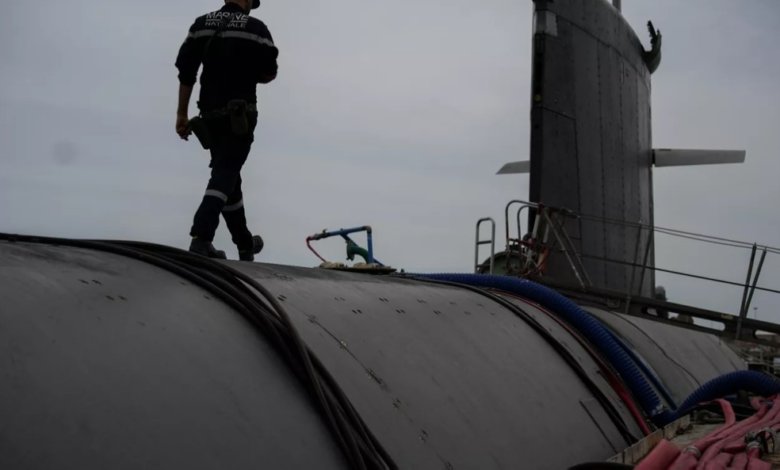
على الرغم من امتلاك فرنسا والمملكة المتحدة لترسانات نووية خاصة، إلا أن الخبراء العسكريين يجمعون على أن هذه القدرات لا يمكنها تعويض القوة الأمريكية الهائلة. فبينما تمتلك روسيا والولايات المتحدة آلاف الرؤوس النووية، تمتلك القوى الأوروبية بضع مئات فقط. علاوة على ذلك، فإن العقيدة النووية الفرنسية مستقلة تماماً عن الناتو، مما يجعل الاعتماد عليها كبديل شامل للمظلة الأمريكية أمراً غير واقعي في المدى المنظور. وقد أشار رئيس الوزراء البريطاني كير ستارمر إلى تعزيز التعاون مع فرنسا، لكنه لم يطرح ذلك كبديل عن التحالف عبر الأطلسي.
مخاوف من التهديد الروسي وسياسات ترامب
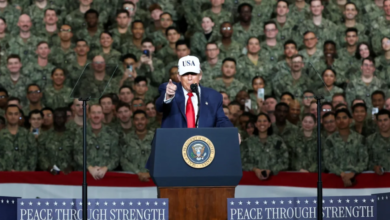
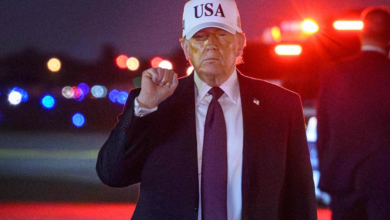
يتزامن هذا الجدل مع تصاعد المخاوف الأمنية في أوروبا نتيجة الحرب الروسية في أوكرانيا، بالإضافة إلى القلق من توجهات الإدارة الأمريكية في عهد الرئيس دونالد ترامب. ورغم أن مسؤولين في إدارة ترامب طالبوا الأوروبيين بتحمل مسؤولية أكبر في الدفاع التقليدي، إلا أنهم أكدوا للحلفاء أن واشنطن ستواصل توفير غطائها النووي. هذا التأكيد يعتبر حيوياً للحفاظ على توازن القوى العالمي ومنع انتشار التسلح النووي بشكل منفرد داخل القارة الأوروبية.