The National Center for Wildlife Development in Saudi Arabia has unveiled significant updates to its natural reserves map, announcing a list of 11 nature reserves covering a total area exceeding 35,000 square kilometers. This move directly reflects the ambitious national strategy aimed at protecting ecosystems, ensuring the sustainability of rare wildlife, and enhancing biodiversity across the Kingdom.
National context and comprehensive environmental vision
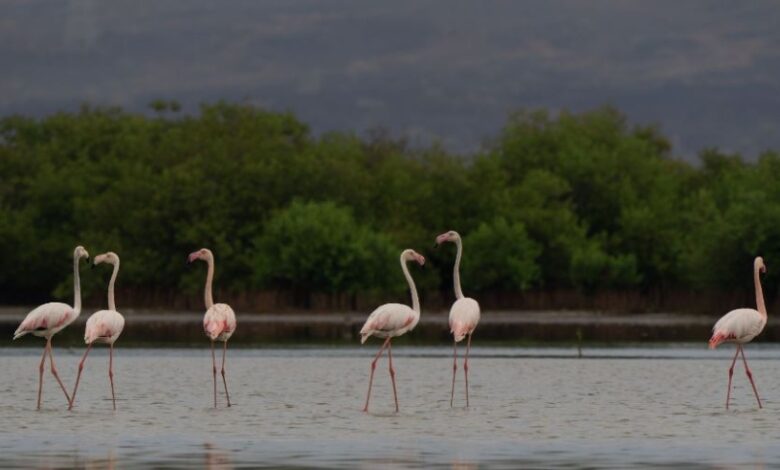
This announcement cannot be viewed in isolation from the major transformations taking place in Saudi Arabia within the framework of Vision 2030 and the Green Saudi Arabia initiative. The vast areas designated, totaling nearly 36,000 square kilometers, represent a cornerstone of the Kingdom's efforts to combat desertification, restore ecological balance, and reintroduce endangered species such as the Arabian oryx, the Arabian leopard, and the sand gazelle. These reserves serve as natural gene banks, ensuring the continuity of rare species for future generations, thus enhancing the Kingdom's standing on the international environmental map.
Riyadh and Mecca are at the forefront of the environmental scene
Recent data shows that the Riyadh region leads the environmental landscape with five major nature reserves, making it a focal point for wildlife conservation efforts. The Makkah region comes in second with four reserves, while the remaining reserves are distributed evenly across Qassim, Asir, Najran, Al-Baha, Jazan, and the Eastern Province, with one reserve in each region. This ensures the protection of diverse ecosystems, from sandy deserts to towering mountains.
Bani Mu'aridh veins: The giant of the Empty Quarter
In terms of area, the Uruq Bani Ma'arid Reserve holds the record as the largest reserve on the list, covering 13,485 square kilometers. This reserve is of global and local importance as it lies on the western edge of the Empty Quarter and is the last natural habitat for free-roaming herds of Arabian oryx in the world, giving it exceptional value in reintroduction programs. In contrast, the Umm al-Qamari Islands reserve is the smallest, covering 4 square kilometers, but it serves as a crucial point for seabird migrations and a safe haven for their breeding.
Unique topographical and biological diversity
The list is rich with reserves of diverse nature; the Imam Saud bin Abdulaziz Royal Reserve in Mecca (formerly known as Mahazat as-Sayd) stands out as a model of protected enclosures covering an area of over 2,000 square kilometers. The Ibex Reserve in Riyadh also plays a vital role in protecting the Nubian ibex in its rugged mountainous habitat. Further south, the Rida Reserve in Asir is a verdant gem despite its small size, boasting dense juniper forests and rich plant diversity thanks to high rainfall, making it a natural lung for the region.
Strict management and a promising future
The relevant authorities affirmed their commitment to implementing rigorous operational plans that utilize the latest technologies to monitor violations and prevent human encroachment and overgrazing. These measures aim to transform these reserves into destinations for sustainable ecotourism, centers for scientific research, and platforms for environmental awareness, ensuring that these natural resources remain a living testament to the unique biodiversity of the Arabian Peninsula.