The fourth season of the rare camels competition in Al-Hujrah concluded under the patronage of the Prince of Al-Baha

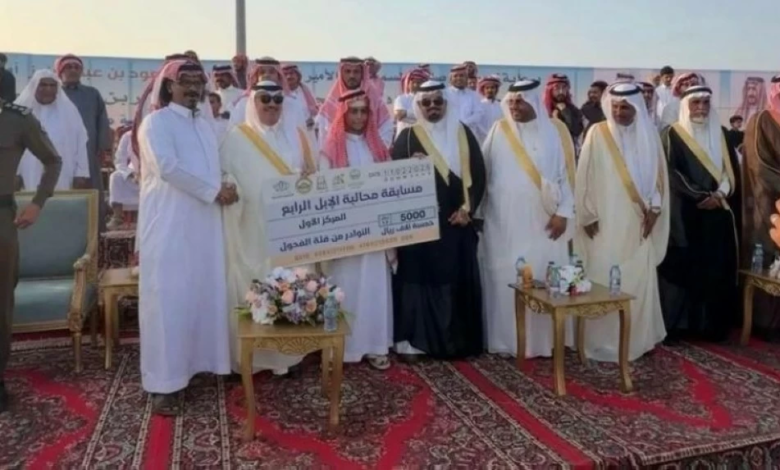
Under the patronage of His Royal Highness Prince Dr. Hussam bin Saud bin Abdulaziz, Governor of Al-Baha Region, Al-Hujrah Governorate witnessed the conclusion of the fourth season of the "Rare Camels" competition. The event was attended by the Governor of Al-Hujrah, Bandar bin Suwailim Al-Adhila, and the Sheikh of the Shagban tribe, Dr. Ahmed bin Saad Al-Tayyar. This competition was a key component of the "Al-Hujrah Winter" festival, which aims to revitalize cultural and tourism activities in the governorate.
This competition holds special significance beyond its status as a sporting event, reflecting the growing attention Saudi Arabia is giving to the camel sector as a cornerstone of national identity and authentic cultural heritage. These events align with the goals of the Kingdom's Vision 2030, which seeks to preserve and promote heritage, strengthening the connection of younger generations to their rich history. Camels symbolize generosity, patience, and resilience in Arab culture, and stand as living witnesses to the history of ancestors in the Arabian Peninsula.
In a statement regarding the occasion, Sheikh Ahmed Al-Tayyar, head of the Al-Shagban tribe, affirmed that Al-Hujrah Governorate is experiencing remarkable developmental and cultural activity, exemplified by the organization of such high-quality events that combine sports and culture. He noted that the continuation of the competition for the fourth season reflects the governorate and its people's keenness to revive their historical heritage and long-standing traditions in raising and caring for camels. He also expressed his gratitude to the wise leadership – may God support them – and to His Highness the Prince of the region and the Governor of Al-Hujrah for their unlimited support of these activities, praying to God to protect the Kingdom and perpetuate its blessings of security and safety.
For his part, Khalid Mohammed Al-Suwaidi, a judge in the competition, explained that this year's edition witnessed strong competition and wide participation from camel owners, who demonstrated a keen interest in the success of the event and in participating in this heritage celebration, even before considering the monetary prizes. Al-Suwaidi emphasized that these competitions contribute to raising awareness about the importance of rare camel breeds and how to preserve them, stressing that camel breeding is not merely a hobby, but an integral part of the social fabric in Al-Hujrah Governorate.
On the economic and tourism front, the "Winter in Al-Hujrah" festival and the rare camel competition are significant contributors to the local economy, attracting visitors from across the region and beyond. This positively impacts commercial activity and supports local producers and small business owners participating in the festival. At the conclusion of the ceremony, valuable prizes were awarded to the winners in the various competition categories, amidst a festive atmosphere that reflected the successful organization and excellence of the fourth season.