
خطوات متسارعة نحو قضاء إداري ذكي
في خطوة تعكس التزام المملكة العربية السعودية بتحديث وتطوير منظومتها القضائية، شرع ديوان المظالم في تفعيل تقنيات الذكاء الاصطناعي لتطوير العمل القضائي الإداري. وتأتي هذه الجهود من خلال إطلاق حزمة من الورش المتخصصة في مدينتي الرياض والخبر، والتي تهدف إلى دراسة وتطبيق المخرجات المبتكرة التي تم التوصل إليها في هاكاثون «ذكاء القضاء» بنسخته الأولى. تسعى هذه المبادرة إلى تحسين الإجراءات القضائية وتجويد تجربة المستفيدين، بما يتماشى مع أهداف رؤية المملكة 2030.
السياق العام: التحول الرقمي ورؤية 2030
تندرج هذه المبادرة ضمن السياق الأوسع لبرنامج التحول الوطني الذي يعد أحد أهم ركائز رؤية المملكة 2030. تهدف الرؤية إلى بناء حكومة رقمية عالية الكفاءة والشفافية، وتقديم خدمات متطورة للمواطنين والمقيمين. ويُعتبر القطاع القضائي محوراً أساسياً في هذا التحول، حيث أن استخدام التقنيات الحديثة مثل الذكاء الاصطناعي يساهم في تحقيق العدالة الناجزة، وتقليص أمد التقاضي، ورفع مستوى الدقة في الأحكام والإجراءات. ويُعد ديوان المظالم، بصفته هيئة قضاء إداري مستقلة، رائداً في تبني هذه التقنيات لتعزيز دوره في الرقابة القضائية على أعمال الإدارة وحماية الحقوق والحريات.
ورش عمل متخصصة لتحويل الأفكار إلى واقع
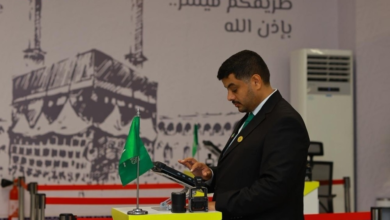
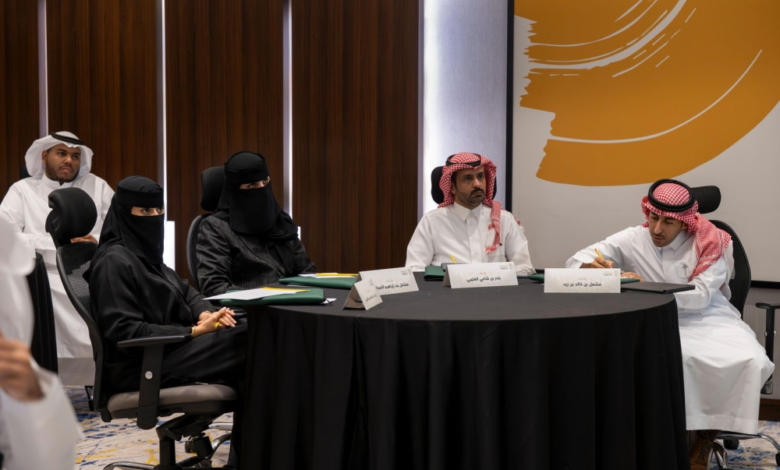
شهدت العاصمة الرياض انعقاد ورشة عمل محورية حملت عنوان «تصميم الابتكارات العملية»، حيث ناقش فيها نخبة من منسوبي الديوان آليات تحويل التحديات التي تواجه العمل القضائي إلى أفكار وحلول عملية قابلة للتطبيق بفعالية. وفي مسارٍ متوازٍ، احتضنت مدينة الخبر ورشة عمل أخرى خُصصت لدراسة وتحليل المشاريع النوعية الناتجة عن الهاكاثون، مع التركيز على مواءمة الحلول الرقمية المقترحة مع الاحتياجات الفعلية للعمل القضائي، وبحث الفرص الحقيقية لتوظيف تطبيقات الذكاء الاصطناعي في دفع عجلة التحول الرقمي.
الأهمية والتأثير المتوقع
على الصعيد المحلي، يُتوقع أن يؤدي تطبيق مخرجات الهاكاثون إلى ثورة في كفاءة القضاء الإداري، من خلال أتمتة الإجراءات الروتينية، والمساعدة في تحليل القضايا، وتقديم دعم استشاري ذكي للقضاة، مما يسرّع وتيرة إنجاز القضايا ويرفع من جودة الخدمات العدلية. أما على الصعيدين الإقليمي والدولي، فإن هذه الخطوات ترسخ مكانة المملكة كمركز رائد في الابتكار القضائي والتحول الرقمي الحكومي. كما أنها تقدم نموذجاً يمكن أن تحتذي به الأنظمة القضائية الأخرى في المنطقة، وتضع بصمة تقنية مؤثرة تعكس التطور الذي تشهده المملكة في مختلف المجالات، وتأتي هذه التحركات التطويرية بتوجيه ومتابعة مباشرة من معالي رئيس ديوان المظالم رئيس مجلس القضاء الإداري، الدكتور خالد بن محمد اليوسف، لضمان تفعيل مخرجات المبادرات النوعية بما يخدم العدالة ويعزز ثقافة الابتكار المؤسسي.