
مراسم تسلم السلطة في العاصمة العراقية
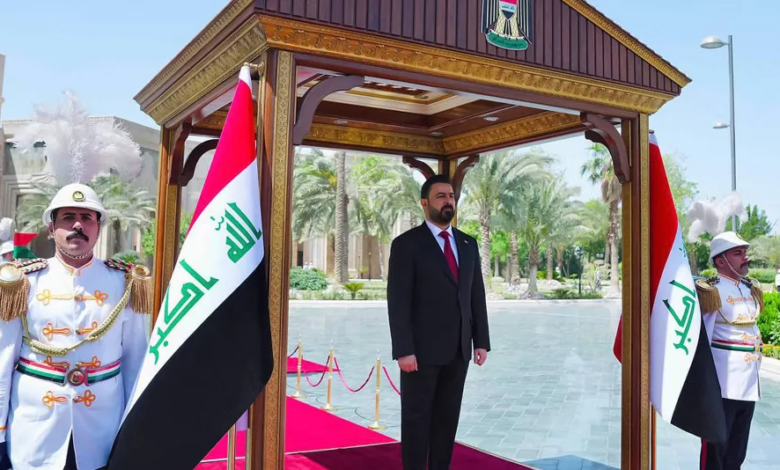
شهدت العاصمة العراقية بغداد، مراسم تسلم رئيس مجلس الوزراء العراقي الجديد مهامه رسمياً، في خطوة تمثل بداية مرحلة سياسية وتنفيذية جديدة في البلاد. جرت المراسم في القصر الحكومي وسط إجراءات بروتوكولية رسمية، حيث تم نقل السلطة التنفيذية إيذاناً ببدء الحكومة الجديدة أعمالها ومواجهة التحديات المتراكمة التي تنتظر الحسم.
السياق العام والخلفية التاريخية للعملية السياسية في العراق
منذ التغيير السياسي في عام 2003، يعتمد العراق نظاماً برلمانياً ديمقراطياً يتطلب تشكيل الحكومة فيه توافقاً بين الكتل السياسية الفائزة في الانتخابات التشريعية. غالباً ما تشهد الفترات التي تسبق تسلم أي رئيس وزراء جديد لمهامه مخاضاً سياسياً عسيراً ومفاوضات مطولة لتشكيل الكتلة الأكبر وتوزيع الحقائب الوزارية وفقاً للاستحقاقات الانتخابية والتوافقات. هذا الانتقال السلمي للسلطة يعد مؤشراً إيجابياً على استمرار العملية الديمقراطية، رغم الأزمات السياسية والاقتصادية التي تعصف بالبلاد بين الحين والآخر. إن تسلم المهام رسمياً ينهي فترة حكومة تصريف الأعمال ويمنح الحكومة الجديدة الصلاحيات الدستورية الكاملة لتنفيذ برنامجها الحكومي وإقرار القوانين المعطلة.
أهمية الحدث والتأثير المتوقع على الصعيد المحلي
محلياً، يترقب الشارع العراقي بحذر وأمل ما ستؤول إليه قرارات رئيس مجلس الوزراء العراقي الجديد. تبرز على طاولة رئيس الحكومة ملفات داخلية شائكة تتطلب حلولاً جذرية وسريعة. من أبرز هذه الملفات مكافحة الفساد الإداري والمالي الذي استنزف موارد الدولة لسنوات طويلة، وتحسين الخدمات الأساسية المتردية مثل قطاعات الكهرباء، الماء، الصحة، والتعليم. بالإضافة إلى ذلك، يمثل إقرار الموازنة الاتحادية العامة وتوفير فرص عمل للشباب العراقي للحد من معدلات البطالة المرتفعة تحديات قصوى. كما أن استقرار الوضع الأمني، فرض سلطة القانون، وحصر السلاح بيد الدولة تعتبر من الركائز الأساسية لنجاح أي حكومة عراقية في تنفيذ خططها التنموية واستعادة ثقة المواطن بمؤسسات الدولة.
التأثير الإقليمي والدولي للحكومة العراقية الجديدة
على الصعيدين الإقليمي والدولي، يحظى تسلم رئيس الوزراء العراقي الجديد لمهامه باهتمام بالغ ومتابعة حثيثة. إقليمياً، يلعب العراق دوراً محورياً في تقريب وجهات النظر بين دول الجوار، وقد نجحت بغداد في السنوات الأخيرة في استضافة جولات حوار مهمة ساهمت في تخفيف التوترات في منطقة الشرق الأوسط. استقرار الحكومة العراقية يعني تعزيز هذا الدور الدبلوماسي المحايد والفعال. دولياً، يعتبر العراق من أهم الدول المصدرة للنفط وعضواً فاعلاً في منظمة أوبك، مما يجعل استقراره السياسي والأمني ضرورة ملحة لضمان أمن الطاقة العالمي واستقرار الأسواق. كما يتطلع المجتمع الدولي إلى استمرار التعاون مع بغداد في مجالات مكافحة الإرهاب، تعزيز الشراكات الاقتصادية، وإعادة إعمار المناطق المتضررة. يتطلب من القيادة الجديدة موازنة دقيقة في علاقاتها الخارجية لضمان سيادة العراق وتحقيق مصالحه الوطنية العليا بعيداً عن سياسة المحاور والتدخلات الخارجية.