
إطلاق دليل أمني لضيوف الرحمن في موسم الحج
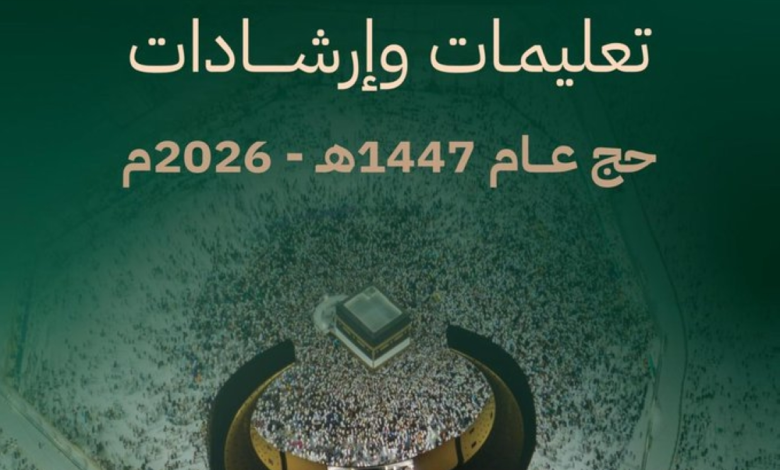
في إطار جهودها المستمرة لضمان سلامة حجاج بيت الله الحرام، أصدرت وزارة الداخلية السعودية دليلاً أمنياً وتنظيمياً شاملاً يتضمن مجموعة من التعليمات والإرشادات الحيوية. يهدف هذا الدليل إلى المحافظة على أمن وسلامة ضيوف الرحمن، وتسهيل أداء مناسك الحج لهذا العام بكل يسر وطمأنينة، بما يعكس حرص القيادة على توفير بيئة آمنة ومريحة للحجاج وتذليل كافة العقبات أمامهم.
محتويات الدليل التنظيمي ومسارات المشاة
تضمن الدليل الأمني الجديد تفاصيل دقيقة حول كيفية الوصول إلى الحرم المكي الشريف بأمان، مع التعريف الشامل بمسارات وممرات المشاة المخصصة لتنقل ضيوف الرحمن. كما يوضح الدليل الطرق المثلى للوصول إلى أماكن الطواف والسعي، مما يقلل من الازدحام ويسهل حركة الحشود الكبيرة التي تتوافد في أوقات متقاربة، ويضمن انسيابية الحركة في أروقة المسجد الحرام.
إدارة الحشود وأوقات الذروة في المسجد الحرام
من أبرز ما يستعرضه الدليل، تسليط الضوء على أوقات الذروة داخل المسجد الحرام وساحاته الخارجية. ويقدم إرشادات واضحة حول استخدام المركبات في نقل الحجاج، بالإضافة إلى التعليمات الخاصة بإدارة وتنظيم المشاة. وتشدد الوزارة على ضرورة التقيد بأوقات التفويج المحددة لأداء الطواف والسعي، وكذلك عند رمي الجمرات خلال كافة مراحل أداء الفريضة، لضمان انسيابية الحركة وتجنب التدافع الذي قد يؤثر على سلامة الحجاج.
السياق التاريخي لجهود المملكة في تنظيم الحج
تاريخياً، تولي المملكة العربية السعودية منذ تأسيسها اهتماماً بالغاً بتطوير منظومة الحج والعمرة. وعلى مر العقود، شهدت المشاعر المقدسة توسعات تاريخية ومشاريع بنية تحتية عملاقة، مثل منشأة الجمرات وقطار المشاعر، إلى جانب توظيف التقنيات الذكية في إدارة الحشود. ويأتي هذا الدليل الأمني كحلقة جديدة في سلسلة طويلة من التطور التنظيمي، حيث تسعى المملكة دائماً لتحديث خططها الأمنية بناءً على دراسات ميدانية دقيقة لضمان أقصى درجات السلامة لملايين المسلمين الذين يجتمعون في بقعة جغرافية محدودة وزمن محدد.
التأثير المتوقع للدليل محلياً ودولياً
يحمل هذا الدليل أهمية كبرى على عدة أصعدة. على المستوى المحلي، يسهم في تخفيف العبء عن الجهات الأمنية والصحية من خلال تنظيم حركة الحجاج وتقليل الحوادث المحتملة، مما يرفع من كفاءة التشغيل الميداني. أما على الصعيدين الإقليمي والدولي، فإن التزام المملكة بتطبيق هذه المعايير الصارمة يبعث برسالة طمأنينة لدول العالم الإسلامي وعائلات الحجاج، مؤكداً قدرة السعودية الفائقة على إدارة أكبر تجمع بشري سنوي في العالم بنجاح واقتدار، وهو ما يعزز من مكانتها الرائدة في إدارة الحشود عالمياً.
حملة “لا حج بلا تصريح” وطرق الإبلاغ
إلى جانب الإرشادات التنظيمية، يركز الدليل على التوعية بأنظمة وتعليمات أداء الحج، مشدداً على شعار “لا حج بلا تصريح”، ومحذراً من العقوبات الصارمة المقررة على المخالفين. وفي هذا السياق، أهابت وزارة الداخلية بالجميع ضرورة الالتزام التام بالأنظمة، والمبادرة بالإبلاغ عن أي مخالفين من خلال الاتصال على الرقم المجاني (911) في مناطق مكة المكرمة، والمدينة المنورة، والرياض، والشرقية، أو عبر الرقم (999) في بقية مناطق المملكة. ويمكن للمهتمين الاطلاع على النسخة الكاملة من الدليل عبر الروابط الرسمية لوزارة الداخلية.