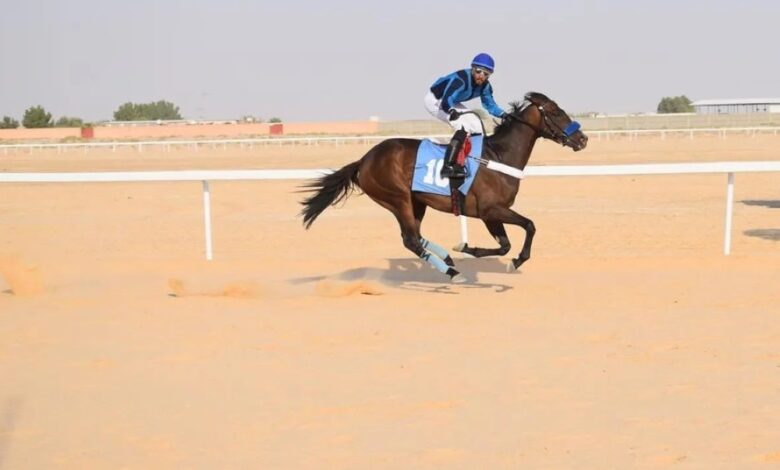

In a move aimed at elevating the equestrian sector and reinforcing the Kingdom of Saudi Arabia's position as a leading center for the heritage of purebred Arabian horses, the Ministry of Environment, Water and Agriculture has adopted a new set of regulations and requirements for organizing and holding Arabian horse championships and competitions. This step comes as part of the Kingdom's efforts to develop this long-established sector and ensure that local championships meet the highest international standards, reflecting the Kingdom's deep historical roots as the original home of the Arabian horse.
Enhancing governance and professionalism in the equestrian sector
The new regulations aim to raise the level of organization and governance in championships. Article 3 of the regulations stipulates that the King Abdulaziz Arabian Horse Center is the competent authority responsible for the complete oversight of this sport. The center undertakes the tasks of issuing licenses, monitoring, and inspecting to ensure compliance with the regulations, thus guaranteeing a fair and safe competitive environment for both participants and owners.
Financial solvency requirement: 100 million riyals to guarantee quality
Perhaps the most significant aspect of the new requirements is the emphasis on the financial and organizational capacity of entities wishing to host tournaments. Article Four stipulates the necessity of submitting a financial solvency certificate of no less than 100 million Saudi Riyals , in addition to a commercial registration for corporate entities. This stringent requirement aims to ensure that organizers can cover all tournament costs and provide infrastructure befitting the Kingdom's reputation, thus preventing any financial difficulties that could affect the smooth running of events or the rights of participants.
Licensing and scheduling procedures
The regulations precisely outline the application process, stipulating that initial approval applications for local tournaments must be submitted between January 1st and 6th of each year. A detailed plan is required, including:
- Tournament location and facility designs.
- Proof of previous experience in organizing equestrian events.
- The applicant's record is free of serious violations.
- Pay off any previous financial obligations.
The regulations also linked final approval to the inclusion of the event in the schedule of the international organization ECAHO, to ensure that the dates do not conflict with the international and local calendar.
Global standards for infrastructure and safety
The regulations did not overlook the technical and logistical aspects, requiring organizers to provide world-class venues in terms of lighting and flooring, and to equip warm-up areas of specified sizes. Regarding medical care and safety, the regulations emphasized:
- Providing equipped ambulances and human medical staff throughout the duration of the tournament.
- A qualified veterinarian was present from the time the horse arrived until it left.
- Providing isolated and secure stables that meet all safety and hygiene requirements.
Prizes and financial obligations towards participants
To protect the rights of participants and raise the level of competition, the Ministry has set a minimum prize money of 500,000 riyals , to be announced one week before the tournament and distributed within a maximum of two months after the doping test results are released. The organizers will also bear all travel and accommodation expenses for referees and officials in 5-star hotels, in addition to the costs of doping tests at accredited international laboratories.
Expected impact on equestrian sport
These requirements are expected to bring about a qualitative leap in the level of Arabian horse championships in Saudi Arabia by eliminating haphazard organization and limiting the hosting of events to highly qualified entities. This approach not only serves the sporting aspect but also enhances sports tourism and the local economy, while ensuring exceptional care for Arabian horses, which are a significant cultural and national symbol in the Kingdom.