
إطلاق خط ملاحي استراتيجي جديد في البحر الأحمر
في خطوة استراتيجية تهدف إلى تعزيز مكانة المملكة العربية السعودية كمركز لوجستي عالمي، أعلنت الهيئة العامة للموانئ «موانئ» إطلاق خط الشحن الملاحي الجديد للحاويات، والذي يحمل اسم «خط البحر الأحمر السريع». يربط هذا الخط الحيوي ميناء الملك فهد الصناعي بمدينة ينبع بعدد من الموانئ الإقليمية الهامة، بطاقة استيعابية تصل إلى 1100 حاوية قياسية، مما يمثل إضافة نوعية لقطاع النقل البحري في المنطقة ويدعم حركة سلاسل الإمداد.
السياق التاريخي والأهمية الاستراتيجية لميناء الملك فهد بينبع
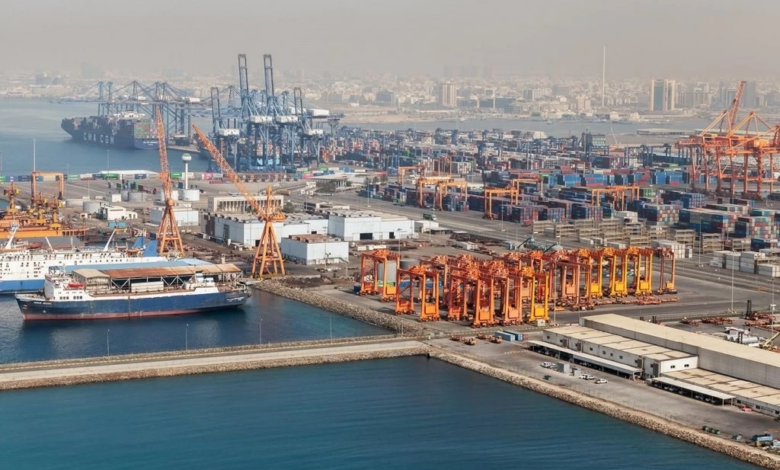
يُعد ميناء الملك فهد الصناعي في ينبع، الذي تأسس ليكون البوابة البحرية الرئيسية للمجمع الصناعي في المنطقة الغربية، واحداً من أهم الموانئ الصناعية على مستوى الشرق الأوسط. ويتميز الميناء بكونه الأكبر في تحميل الزيت الخام والمنتجات المكررة والبتروكيماويات على ساحل البحر الأحمر. وتصل طاقة الميناء للمناولة إلى نحو 210 ملايين طن سنوياً. إن موقع الميناء الاستراتيجي على البحر الأحمر، الذي يمر عبره حوالي 12% من حجم التجارة العالمية، يجعله نقطة ارتكاز حيوية لربط قارات العالم الثلاث، مما يضاعف من أهمية إطلاق أي خطوط ملاحية جديدة تنطلق منه.
تفاصيل مسار «خط البحر الأحمر السريع»
أوضحت «موانئ» في بيانها الرسمي أن الخدمة الملاحية الجديدة تعمل على ربط شبكة من الموانئ المحورية تشمل: ميناء جدة الإسلامي، وميناء الملك فهد الصناعي بينبع، وميناء عين السخنة في جمهورية مصر العربية، وميناء العقبة في المملكة الأردنية الهاشمية. هذا الربط المباشر يمثل نقلة نوعية في منظومة الخدمات اللوجستية، حيث يعكس تكامل الجهود بين الشركات الوطنية الرائدة لدعم الحركة التجارية البينية في حوض البحر الأحمر، ويعكس تنامي دور الموانئ السعودية كمحرك رئيسي للتجارة الإقليمية.
التأثير الاقتصادي ودعم أهداف رؤية السعودية 2030
من المتوقع أن ينعكس إطلاق هذا الخط المباشر بشكل إيجابي ومباشر على الاقتصاد الوطني للمملكة. فمن خلال تسريع عمليات المناولة وتقليل زمن الانتظار، سيتم رفع كفاءة سلاسل الإمداد بشكل ملحوظ. هذا التطور يدعم بشكل مباشر أهداف الاستراتيجية الوطنية للنقل والخدمات اللوجستية المنبثقة من رؤية السعودية 2030، والتي تهدف إلى زيادة حجم الصادرات غير النفطية وجذب استثمارات أجنبية جديدة، مما يعزز دور الموانئ كرافد اقتصادي مهم.
تعزيز التنافسية وتقليل تكاليف الشحن
يساهم الخط الملاحي الجديد في تعزيز التنافسية التجارية للصادرات الوطنية عبر تقليل زمن الشحن وتكاليف النقل. هذا الانخفاض في التكاليف يرفع من جاذبية المنتجات الوطنية في الأسواق الإقليمية والدولية، ويمنح مجالاً أوسع في حركة التجارة تنافساً مع المنتجات الزراعية والصناعية العالمية. وبذلك، تواصل المملكة ترسيخ مكانتها كمركز لوجستي عالمي رائد، يقدم خدمات متكاملة وعالية الكفاءة تلبي تطلعات الأسواق المحلية والدولية.