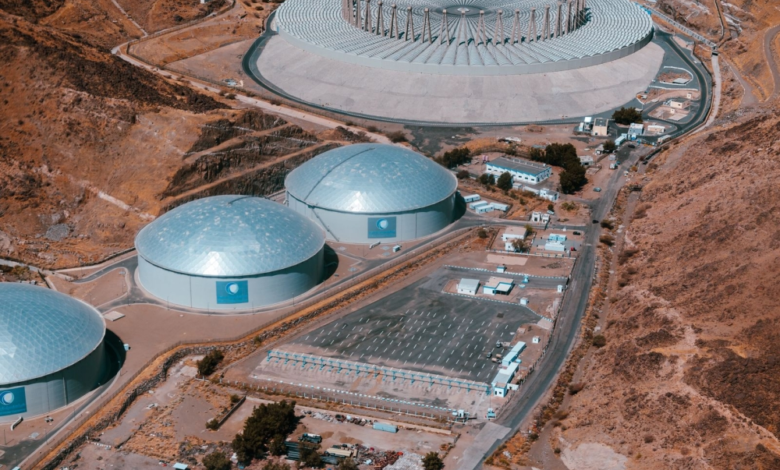

أعلنت شركة المياه الوطنية عن اكتمال نجاح خطتها التشغيلية والتنفيذية لموسم حج عام 1445هـ، حيث تمكنت من توزيع وضخ ما يزيد على 45 مليون متر مكعب من المياه الصالحة للشرب في مدينة مكة المكرمة والمشاعر المقدسة (منى، عرفات، مزدلفة)، وذلك منذ بداية شهر ذي القعدة وحتى نهاية أيام التشريق، لتلبية احتياجات ملايين الحجاج وضمان راحتهم وسلامتهم.
سياق تاريخي وجهود متواصلة
تعتبر إدارة الموارد المائية خلال موسم الحج تحديًا لوجستيًا هائلاً، نظرًا لتوافد الملايين من الحجاج إلى منطقة جغرافية محددة في فترة زمنية قصيرة، وفي ظل مناخ صحراوي حار. وعلى مر العصور، أولت القيادات المتعاقبة على خدمة الحرمين الشريفين اهتمامًا بالغًا بتوفير المياه للحجاج، بدءًا من المشاريع التاريخية كسقاية زمزم وعين زبيدة، وصولًا إلى منظومة البنية التحتية الحديثة التي تعتمد بشكل أساسي على محطات تحلية المياه العملاقة على سواحل المملكة، والتي تعد الأكبر من نوعها في العالم. وتأتي جهود شركة المياه الوطنية اليوم استكمالًا لهذا الإرث العظيم، مستخدمة أحدث التقنيات لضمان استدامة الإمداد المائي.
تفاصيل الخطة التشغيلية وكفاءة الأداء
وأوضحت الشركة أن عمليات إدارة وتوزيع المياه شهدت انسيابية عالية وكفاءة تشغيلية متميزة، معتمدة على شبكة مياه ضخمة تمتد لأكثر من 5,700 كيلومتر طولي، وشبكة موازية للخدمات البيئية (الصرف الصحي) تتجاوز 4,000 كيلومتر طولي. وأكدت الشركة استمرارية تدفق وضخ المياه على مدار 24 ساعة دون أي انقطاع في منطقة الحرم المكي الشريف وساحاته وكافة المشاعر المقدسة، مما ساهم في توفير الكميات المناسبة والآمنة من المياه لراحة الحجيج. وأشارت إلى أن الأوضاع التشغيلية والميدانية سارت بيسر وسهولة، حيث لم يتم تسجيل أي معوقات مؤثرة على إدارة عملياتها.
جودة المياه والسلامة البيئية
وفي إطار حرصها على جودة الخدمات المقدمة، بيّنت الشركة أن كميات المياه التي تمت معالجتها بكفاءة عالية في محطاتها البيئية تجاوزت 31 مليون متر مكعب. كما نفذت الفرق الفنية والمختبرية المتنقلة والثابتة أكثر من 100 ألف فحص مخبري دقيق وشامل طوال أيام الموسم، بهدف ضمان مطابقة المياه لأعلى المعايير الصحية والقياسية المعتمدة عالميًا ومحليًا، وتأكيد سلامتها للاستهلاك البشري.
الأهمية والأثر في إطار رؤية 2030
إن نجاح هذه الخطة لا يقتصر أثره على المستوى المحلي المتمثل في راحة الحجاج وسلامتهم، بل يمتد ليعزز مكانة المملكة العربية السعودية على الصعيدين الإقليمي والدولي، ويؤكد قدرتها الفائقة على إدارة أكبر التجمعات البشرية في العالم بكفاءة واقتدار. وتنسجم هذه الجهود بشكل مباشر مع مستهدفات رؤية المملكة 2030، التي تهدف إلى الارتقاء بجودة الخدمات المقدمة لضيوف الرحمن، وتوفير كافة سبل الراحة والطمأنينة لهم لتمكينهم من أداء مناسكهم بكل يسر وسهولة. وقد بدأت الشركة بالفعل في الاستعداد المبكر لموسم حج العام القادم 1446هـ، لوضع الخطط الاستراتيجية التي تضمن استدامة الخدمات وتطويرها المستمر.