Outcomes of the Islamic Cooperation meeting: 38 resolutions to support Somalia and Palestine

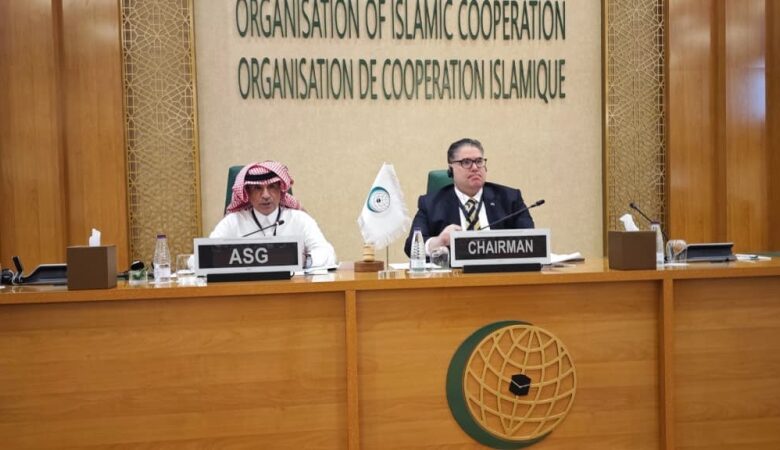
The 22nd Extraordinary Session of the Council of Foreign Ministers of the Member States of the Organization of Islamic Cooperation (OIC ) concluded in Jeddah with the issuance of a comprehensive final communiqué containing 38 crucial points. These points focused primarily on the rapidly evolving situation in the Horn of Africa and the Palestinian issue. This meeting comes at a sensitive time, as the region witnesses dangerous geopolitical shifts that necessitate a unified Islamic stance.
The Somali sovereignty crisis and Israeli intervention
The Somali issue topped the meeting's agenda, following Israel's escalatory move to recognize Somaliland as an independent state. In its concluding statement, the Council categorically rejected this action, deeming it a flagrant violation of international law and the UN Charter, which affirms the sovereignty and territorial integrity of states.
In the broader context of this event, preserving Somalia's unity is a cornerstone of security in the Horn of Africa . Observers note that Israeli intervention in this matter and its attempts to establish relations with separatist regions aim to alter the geopolitical landscape of the Red Sea and the Gulf of Aden, posing a direct threat to Arab and Islamic national security and jeopardizing the safety of international navigation in one of the world's most vital waterways.
The statement regarding Somalia included the following points:
- Condemning the Israeli recognition of “Somaliland” and considering it null and void and without legal effect.
- Reject any illegitimate foreign military or intelligence presence on Somali territory.
- Warning against the militarization of the Red Sea and the Gulf of Aden due to its repercussions on international peace.
- Supporting Somalia in resorting to international legal mechanisms to hold accountable those who violate its sovereignty.
The Palestinian cause: Rejecting displacement and supporting UNRWA
In the second part of the meeting, the Organization of Islamic Cooperation (OIC) reaffirmed its unwavering stance on the central issue of the Muslim world, with ministers discussing the ongoing Israeli aggression against the Palestinian people. This position is a continuation of the organization's historical efforts, as it was originally founded to defend Jerusalem.
The statement emphasized the gravity of Israeli plans aimed at the forced displacement of Palestinians, whether in the Gaza Strip or the West Bank, deeming it “ethnic cleansing” and a crime against humanity. The statement also addressed the occupation’s attempts to undermine the work of the United Nations Relief and Works Agency for Palestine Refugees (UNRWA), stressing the necessity of continued support for the agency as the international witness to the refugee issue.
Among the most prominent points in the resolutions concerning Palestine were:
- Emphasizing the two-state solution based on the 1967 borders with Jerusalem as its capital.
- Demanding an immediate ceasefire and the withdrawal of the occupying forces from Gaza.
- Condemnation of racist Israeli laws against UNRWA and rejection of the confiscation of its property.
- Calling on the international community to hold Israel accountable for its genocidal crimes before international courts.
Regional and international importance of the outputs
These decisions are of paramount importance due to their comprehensiveness and their linking of the security of the Horn of Africa with the Palestinian issue, reflecting a strategic awareness among member states of the interconnectedness of national security concerns. This statement is expected to resonate within the halls of the United Nations and the Security Council, where the organization has resolved to pursue diplomatic efforts to garner international support for its resolutions, particularly those concerning the rejection of the partition of Somalia and the cessation of hostilities in Gaza.